Sautéed Summer Squash and Cherry Tomatoes: Your Go-To Easy and Healthy Side Dish
As the sun bathes the gardens in warmth and fresh produce abounds, there’s nothing quite like a simple recipe that captures the essence of the season. Our Sautéed Summer Squash and Cherry Tomatoes dish is a vibrant celebration of summer’s bounty. This incredibly easy-to-make side dish, or even a light meal, comes together in minutes, offering a burst of fresh flavors and delightful textures. Whether you’re a seasoned chef or just starting your culinary journey, this recipe is designed for effortless enjoyment, proving that gourmet taste doesn’t require complex steps or a long list of ingredients. Get ready to transform humble garden vegetables into a truly irresistible culinary experience that will quickly become a staple in your kitchen.
Why This Recipe is a Summer Essential
This delightful dish isn’t just another vegetable side; it’s a testament to how simple ingredients can create profound flavors. It’s incredibly versatile, pairing beautifully with grilled meats, fish, or even served over quinoa for a light vegetarian meal. Its vibrant colors make it a visually appealing addition to any plate, while its nutritional benefits contribute to a wholesome diet. The quick cooking time means you can have a fresh, healthy, and delicious dish on your table in under 15 minutes, making it perfect for busy weeknights or impromptu gatherings with friends and family. Embrace the ease and deliciousness of this summer staple!
The Star Ingredients: A Closer Look
The magic of this recipe lies in the quality and freshness of its few, key components. Choosing ripe, high-quality ingredients will elevate the final taste significantly, allowing their natural sweetness and earthiness to shine through. Let’s delve deeper into what makes each ingredient essential.
Yellow Crookneck Squash: The Golden Gem of Summer
What it is: Yellow crookneck squash is a distinctive variety of summer squash, instantly recognizable by its bright yellow skin and its charmingly curved neck. Unlike its tougher winter squash cousins, summer squash boasts a tender, moist, and slightly sweet flesh that cooks quickly and requires minimal preparation. Its delicate flavor makes it an excellent canvas for various seasonings, allowing it to absorb and enhance the flavors it’s cooked with. The skin and small seeds are entirely edible, adding texture and nutrients.
Selecting the best: To ensure the freshest and most flavorful dish, look for yellow squash that is firm to the touch, with bright, unblemished skin. Avoid any squash with soft spots, wrinkles, or a dull appearance, as these are signs of over-ripeness or past its prime. Smaller to medium-sized squash, typically around 6-8 inches, tend to be more tender and less watery, with fewer, smaller seeds, ensuring a more pleasant eating experience.
Nutritional benefits: Beyond its appealing taste and texture, yellow squash is a powerhouse of nutrition. It’s remarkably low in calories, making it a fantastic choice for weight management, and is an excellent source of dietary fiber, which aids in digestion and promotes a feeling of fullness. This vibrant vegetable is also rich in essential vitamins and minerals, including generous amounts of Vitamins A and C, which are crucial for immune function and skin health, as well as potassium and manganese.
Cherry Tomatoes: Bursts of Sweetness
What they are: Cherry tomatoes are small, round, bite-sized tomatoes celebrated for their intense sweetness and juicy interior. When introduced to heat, their delicate skins soften and often burst, releasing a concentrated burst of sweet and tangy flavor that beautifully complements the mildness of the squash. They add not only flavor but also a vibrant pop of color and a delightful textural contrast to the dish.
Selecting the best: For optimal flavor and texture, select plump, firm cherry tomatoes with smooth, taut skin. Their color should be bright red, orange, or yellow, depending on the variety, indicating peak ripeness. Steer clear of any tomatoes that appear wrinkled, bruised, or overly soft, as these may be past their best. Vine-ripened cherry tomatoes often offer superior flavor.
Nutritional benefits: These miniature marvels are more than just a sweet treat; they’re packed with health-promoting compounds. Cherry tomatoes are an exceptional source of antioxidants, particularly lycopene, which is well-known for its potent heart-healthy properties and its potential role in protecting against certain types of cancer. They also provide significant amounts of Vitamin C and K, crucial for bone health and blood clotting, along with potassium, which supports healthy blood pressure.
The Flavor Base: Butter or Olive Oil
The choice of cooking fat forms the foundation of your dish’s flavor profile. Both butter and olive oil are excellent choices, each imparting a distinct character to the sautéed vegetables.
Butter: Opting for butter introduces a rich, creamy, and slightly nutty flavor that beautifully enhances the natural sweetness of the squash and tomatoes. It promotes a lovely golden-brown crust on the vegetables, adding depth and a comforting aroma. If using butter, it’s advisable to choose unsalted butter, which allows you precise control over the overall sodium content of your dish.
Olive Oil: For a lighter, more vibrant, and distinctly Mediterranean essence, extra virgin olive oil is an ideal choice. It imparts a delightful fruity and subtly peppery note that pairs exceptionally well with fresh vegetables. As a healthier fat option, it’s rich in monounsaturated fats, known for their heart-protective benefits. Always select a high-quality extra virgin olive oil to ensure the best flavor and nutritional value.
Combining them: For those who appreciate the best of both worlds, a judicious combination of butter and olive oil is an excellent strategy. The olive oil helps to elevate the smoke point of the butter, which prevents it from browning too quickly and burning, while still allowing the glorious, indulgent flavor of butter to infuse the dish. This blend creates a perfectly balanced and flavorful cooking medium.
Aromatic Spices: Basil, Garlic, and Onion (Fresh or Powdered)
These classic aromatics are the unsung heroes of this dish, providing the foundational flavor profile that elevates simple vegetables into something truly memorable. Their versatility means you can use them in their convenient powdered forms or opt for the vibrant intensity of fresh.
Basil: Whether you choose the dried herb or fresh leaves, basil is indispensable. It contributes a sweet, subtly peppery, and often slightly anise-like aroma that is a perfect match for both tomatoes and summer squash. If you’re using fresh basil, tear or chop the leaves and stir them in towards the very end of the cooking process to preserve their delicate flavor and bright green color, preventing them from overcooking and losing their potency.
Garlic Powder & Onion Powder: These powdered forms are incredibly convenient and highly effective at distributing a consistent, savory flavor throughout the entire dish. They provide a foundational depth of taste without the need for time-consuming chopping.
- Fresh Garlic: For a more pungent, vibrant, and immediate garlic impact, mince 1-2 cloves of fresh garlic. Add this to the pan just before the squash and tomatoes, sautéing for about 30 seconds until it becomes fragrant. Be vigilant to ensure it doesn’t burn, as burnt garlic can taste bitter.
- Fresh Onion: A tablespoon or two of finely diced fresh onion can be sautéed at the very beginning with the butter or oil. This step helps to build an even deeper, more complex aromatic base for the dish, softening and sweetening as it cooks.
The beauty of this recipe lies in its adaptability; feel free to use whichever form of these essential spices you have readily available or prefer. A generous sprinkle or inclusion of these aromatics will ensure every bite is bursting with taste and complexity.
Quick Overview of Health Benefits
This simple vegetable sauté is not just delicious but also incredibly healthy, making it a fantastic addition to any balanced diet. It’s naturally low in calories, high in beneficial dietary fiber, and packed with an impressive array of essential vitamins and minerals. The vibrant yellow squash contributes significant amounts of Vitamins A and C, along with important electrolytes like potassium. Meanwhile, the juicy cherry tomatoes are a fantastic source of powerful antioxidants such as lycopene, known for its protective effects. Both vegetables contribute to overall hydration, support healthy digestion, and promote general well-being. It’s a truly guilt-free dish that nourishes your body while delighting your taste buds, making healthy eating both easy and enjoyable.
Ingredients You’ll Need
Gathering all your ingredients before you begin the cooking process is a fundamental step to ensure a smooth, efficient, and enjoyable culinary experience. This simple “mise en place” will help you create this quick and delicious dish without any last-minute scrambling.
- 1 medium yellow crookneck squash: Approximately 8-10 inches long, firm, and with vibrant, unblemished skin.
- 1 large handful cherry tomatoes: Roughly 1.5 to 2 cups. Ensure they are washed thoroughly and then halved to release their juices during cooking. Grape tomatoes are an excellent and equally delicious alternative.
- 2-3 tablespoons unsalted butter or extra virgin olive oil: Choose your preferred fat, or opt for a combination of both for a richer, more nuanced flavor profile.
- 1/2 teaspoon garlic powder: Adjust this amount to your personal taste preference. Alternatively, use 1-2 cloves of fresh garlic, minced finely, for a more intense flavor.
- 1/2 teaspoon onion powder: This provides a subtle yet essential savory depth. As an alternative, a tablespoon of finely diced fresh onion can be used.
- 1 teaspoon dried basil: If you have fresh basil on hand, use 2 tablespoons, chopped, and add it towards the very end of the cooking process for a brighter flavor.
- Salt and freshly ground black pepper: These are essential for seasoning the dish to perfection. Add them generously and to your taste throughout the cooking process.
(Remember, all powdered spices can be replaced with their fresh alternatives for an even brighter and more aromatic flavor profile, offering flexibility based on what you have available!)
Step-by-Step Preparation Guide: Master Your Sauté
Creating this delicious and healthy side dish is straightforward. Follow these detailed steps to achieve perfectly cooked summer squash and cherry tomatoes every time, ensuring that delightful tender-crisp texture and vibrant flavor.
Step 1: Preparing Your Vegetables for Perfection
Begin by giving your yellow crookneck squash and cherry tomatoes a thorough wash under cool running water. For the squash, there’s no need to peel it; the skin is thin, tender, and retains valuable nutrients. Using a sharp chef’s knife, carefully slice the yellow squash into uniform 1/4-inch thick rounds. Achieving consistent thickness is crucial here, as it guarantees that all pieces cook evenly. Slices that are too thick may remain undercooked and firm, while those that are too thin risk becoming mushy. Next, halve your cherry tomatoes. This simple action exposes their juicy interiors, allowing them to release their concentrated sweet flavors and soften beautifully as they cook. Once both vegetables are prepared, set them aside, ready for the pan.
Step 2: Heating the Pan and Infusing Flavors
Place a large, heavy-bottomed skillet or frying pan over medium-high heat on your stovetop. Allow the pan to preheat for a minute or two until it’s adequately hot. Then, add 2-3 tablespoons of your chosen fat – butter, olive oil, or a combination – to the hot pan. If using butter, let it melt completely and sizzle gently; if using olive oil, wait until it shimmers slightly, indicating it has reached the ideal temperature. Immediately sprinkle in your garlic powder, onion powder, and dried basil. If you’ve opted for fresh minced garlic or finely diced fresh onion, add them now and sauté for a brief 30 seconds, stirring constantly, until they become wonderfully fragrant. Be extremely careful not to burn the garlic, as it can quickly turn bitter. This crucial step is called “blooming” the spices, and it effectively releases their full aromatic potential, infusing the cooking fat with a deep, delicious flavor before the vegetables even enter the pan.
Step 3: Sautéing to Perfection: Achieving Tender-Crisp
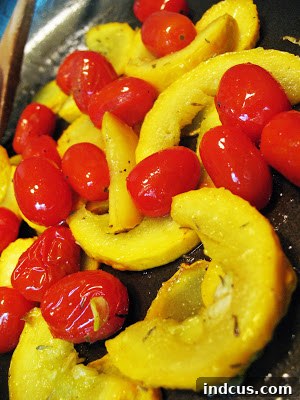
Once the spices are fragrant and the fat is infused, add your prepared sliced yellow squash and halved cherry tomatoes to the pan. Spread them out in a single layer as much as possible. It’s important not to overcrowd the pan; if there are too many vegetables, the pan’s temperature will drop, causing the vegetables to steam rather than sauté, resulting in a soggy texture. Sauté the vegetables, stirring occasionally to ensure even cooking, for approximately 5-8 minutes. The ultimate goal is to achieve a “tender-crisp” texture for the squash – it should be soft enough to bite through easily but still retain a pleasant firmness and a slight snap, avoiding any mushiness. During this process, the cherry tomatoes will soften, and many will begin to burst, releasing their sweet, tangy juices into the pan, which creates a wonderful natural sauce. Season generously with salt and freshly ground black pepper to taste. Continue to cook until the squash reaches your desired level of tenderness, then remove the pan from the heat immediately to prevent any risk of overcooking.
Tips for Success and Flavor Enhancement
Achieving the perfect sautéed vegetables is an art, but these simple tips will guide you to culinary success, ensuring maximum flavor and ideal texture for your summer squash and cherry tomatoes.
- Don’t Overcrowd the Pan: This is perhaps the most crucial tip for sautéing. If you add too many vegetables at once, the pan’s temperature will drop significantly, causing the vegetables to steam in their own juices instead of developing a beautiful sear and tender-crisp texture. If necessary, work in two smaller batches.
- High Heat is Key: Begin with medium-high heat. This ensures a quick sear on the vegetables, allowing them to brown slightly and caramelize, which enhances their flavor. It also prevents the squash from releasing too much water and becoming soggy, maintaining that desired firm-tender bite.
- Adjust Seasoning to Taste: Always taste your dish as you cook and just before serving. A little extra pinch of salt, a twist of fresh pepper, or a dash more of herbs can make a profound difference in the overall flavor. Consider adding a tiny pinch of red pepper flakes for a subtle, warming kick.
- Fresh Herbs Provide a Brighter Finish: While powdered spices are convenient for building a flavor base, fresh basil (and fresh garlic/onion if you opt for them) added at the very end of cooking will introduce a much brighter, more vibrant, and aromatic finish to your dish, enhancing its summery appeal.
- Don’t Overcook: Summer squash cooks remarkably quickly. Pay close attention during the last few minutes of sautéing to achieve that perfect tender-crisp texture. Overcooked squash becomes soft and watery, losing its appealing structure.
Serving Suggestions and Creative Variations
This wonderfully versatile dish is fantastic on its own as a light meal, but its adaptability allows for endless possibilities to integrate it into various culinary contexts or to transform it with exciting new flavors and additions.
Perfect Pairings
Elevate your main course by serving this vibrant sauté alongside a variety of proteins or grains:
- As a Side: This dish makes an ideal and refreshing accompaniment to a wide range of main dishes, including perfectly grilled chicken breasts, flaky pan-seared fish (such as salmon or cod), tender roasted pork loin, or a juicy steak.
- Over Grains: For a complete and satisfying vegetarian meal, serve the warm sautéed vegetables over a fluffy bed of quinoa, light and airy couscous, or wholesome brown rice. The grains will absorb the delicious juices from the tomatoes and spices.
- With Pasta: For a quick and light pasta dish, simply toss the freshly cooked vegetables with your favorite pasta shape, a generous drizzle of high-quality extra virgin olive oil, and a sprinkle of grated Parmesan or Pecorino Romano cheese.
- Eggs: Incorporate the sautéed squash and tomatoes into an omelet, frittata, or scrambled eggs for a flavorful and nutritious breakfast, brunch, or even a light dinner.
Spice It Up!
Don’t hesitate to experiment with different herbs and spices to customize the flavor profile to your liking:
- Mediterranean Twist: For a taste of the Mediterranean, after cooking, add a squeeze of fresh lemon juice, a sprinkle of dried oregano, and some crumbled feta cheese. A few Kalamata olives can also be a delightful addition.
- Spicy Kick: If you enjoy a bit of heat, a pinch of red pepper flakes or a dash of your favorite hot sauce added during the sautéing process will introduce a pleasant warmth without overpowering the fresh flavors.
- Herbal Boost: Expand beyond basil by experimenting with other complementary fresh herbs such as thyme sprigs, a touch of fragrant rosemary, or a generous scattering of fresh parsley or chives at the end.
Add Protein
Transform this side dish into a more substantial meal by incorporating your favorite protein sources:
- Chicken or Shrimp: Dice boneless, skinless chicken breast or shrimp and cook them in the same pan before adding the vegetables. Once cooked through, combine them with the sautéed squash and tomatoes at the end.
- Chickpeas or Lentils: For a hearty and fiber-rich plant-based meal, stir in a can of drained and rinsed chickpeas or pre-cooked lentils towards the end of the cooking process, allowing them to warm through and absorb the flavors.
Other Vegetable Additions
This recipe is highly adaptable and welcomes other garden vegetables:
- Bell Peppers: Sliced bell peppers of any color (red, yellow, orange, green) can be added alongside the squash for extra color, a different texture, and a sweet, mild flavor.
- Zucchini: As a complementary summer squash, zucchini can be used interchangeably with yellow crookneck squash or in combination, offering a slightly different but equally delicious flavor.
- Spinach or Kale: For an extra boost of greens, wilt in a handful of fresh baby spinach or thinly sliced kale at the very end of cooking, stirring until just tender.
Why This Recipe is a Must-Try
Don’t be deceived by the remarkably simple ingredients listed for this dish. This recipe is so summery and utterly delicious precisely because of its simplicity, which allows the pure, fresh flavors of the yellow squash and sweet cherry tomatoes to truly shine without being overshadowed. It’s a compelling testament to the fact that some of the very best culinary experiences arise from the most straightforward and harmonious combinations of high-quality ingredients. This dish is far more than just food; it’s a vibrant celebration of nature’s seasonal bounty, offering a quick and effortless escape to the bright, sun-drenched flavors of summer, all while being a wonderfully healthy choice for any meal. Try it once, and we are confident it will undoubtedly earn a permanent and cherished spot in your regular recipe repertoire, becoming a go-to favorite you’ll return to again and again.
Frequently Asked Questions About Sautéed Squash and Tomatoes
We’ve gathered some common questions to help you perfect this delightful dish and confidently make it a regular feature in your kitchen, ensuring you get the best results every time.
- Can I use other types of summer squash?
- Absolutely! This recipe is incredibly versatile. Zucchini, pattypan squash, or even a delightful mix of different summer squash varieties work wonderfully. Just ensure that whatever squash you choose, you slice it to a similar thickness (1/4 inch) to guarantee even cooking and consistent texture throughout the dish.
- How can I prevent the squash from getting soggy?
- The key to tender-crisp squash is twofold: first, use medium-high heat to promote quick searing rather than steaming. Second, avoid overcrowding the pan; if necessary, sauté the vegetables in two smaller batches. This technique allows the squash to brown slightly and retain its appealing texture without releasing too much excess water, which leads to sogginess. Adding salt towards the end of cooking can also help prevent premature moisture release.
- What if I don’t have fresh herbs?
- Dried herbs are a fantastic and convenient substitute, as featured in the base recipe. When using dried herbs, remember that their flavor is more concentrated than fresh ones. As a general rule, use about one-third of the amount you would use for fresh herbs (e.g., 1 teaspoon dried basil for 3 teaspoons fresh). Add them early in the cooking process, such as with the garlic and onion powder, to allow their flavors to “bloom” and integrate fully.
- Can I make this dish ahead of time?
- This dish truly shines and is best enjoyed fresh off the pan, when the squash is perfectly tender-crisp and the tomatoes are juicy and vibrant. However, if you have leftovers, they can be stored in an airtight container in the refrigerator for up to 2-3 days. To reheat, gently warm them in a skillet over medium heat, stirring occasionally, or use a microwave. Be aware that the texture of the squash might soften slightly upon reheating.
- Is this recipe suitable for dietary restrictions?
- Yes, this recipe is remarkably accommodating for various dietary needs! It is naturally vegetarian and gluten-free. For those following a vegan diet, simply ensure you use olive oil instead of butter. Furthermore, it is low-carb and perfectly compliant with many healthy eating plans, making it a versatile and inclusive option for almost everyone.