Stress-Free Potty Training: A Seasoned Mom’s Realistic Guide
Potty training. For many parents, these two words conjure images of endless messes, frustrating setbacks, and a significant test of patience. It’s a universal parenting milestone that often feels more like a monumental challenge than a natural progression. Having navigated the choppy waters of potty training with my first two children, I can attest that it was, hands down, one of the most arduous tasks I’ve undertaken as a parent. My memories from those years are a hazy mix of unexpected “accidents” on the stairs, overflowing plastic bags of soiled underwear, and an abundance of tears—most of them, I confess, were mine.
With such vivid (or perhaps, strategically vague) recollections swirling in my mind, the prospect of potty training my third child filled me with a familiar sense of dread. For a fleeting moment, I even entertained the thought of postponing it indefinitely, perhaps until she was five, under the guise of a “no underwear, no school” policy! This feeling of overwhelm is incredibly common, and it highlights why so many parents seek practical, empathetic advice.
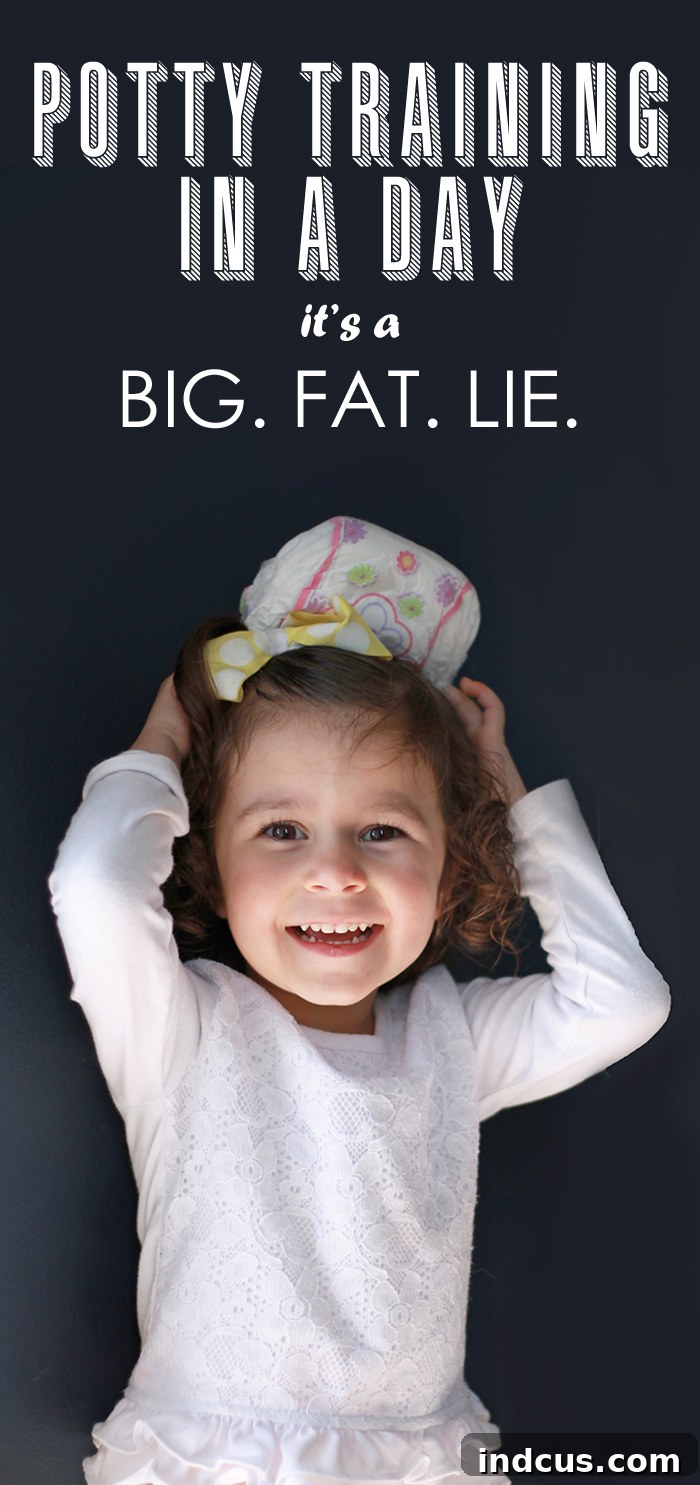
In the past, I recall poring over books that promised the elusive “one-day potty training” miracle. Let me be unequivocally clear: THIS IS A MYTH. The idea of potty training a child in a single day is, frankly, wishful thinking for most families. Anyone who believes this hasn’t experienced the horror of their two-year-old spontaneously peeing into their favorite furry boots in the middle of a crowded store aisle. Trust me, I speak from experience.
But fear not, for this isn’t a tale of endless woe. This time around, I’ve completely transformed my approach to potty training, and the results have been remarkably positive—not just for me, but for my toddler and our entire family. This revised strategy has alleviated much of the stress and frustration, making the journey significantly smoother and more enjoyable for everyone involved. What’s the secret to navigating potty training without losing your sanity? It boils down to a few key shifts in perspective and practice. Let me share the strategies that have made all the difference in this third, much happier, round.
Debunking Common Potty Training Myths
Before diving into practical tips, it’s crucial to address some prevailing misconceptions that often add unnecessary pressure and frustration to the potty training process. The “one-day potty training” myth, for instance, is not only unrealistic for most children but can also be detrimental, leading to feelings of failure for both parent and child. Learning to use the potty is a complex developmental skill that involves physical readiness, cognitive understanding, and emotional regulation. Expecting a child to master all these components in 24 hours is akin to expecting them to learn to read or ride a bike in a single day.
Toddlers are still developing control over their bodies, understanding cause and effect, and communicating their needs effectively. Accidents are an inevitable part of this learning curve, not a sign of failure. By letting go of these unrealistic expectations, parents can approach potty training with more patience, empathy, and a far healthier perspective. Our goal isn’t instant success, but gradual progress and a positive learning experience.
My Tried-and-True Potty Training Strategies
1. Embrace Flexibility: Potty Train on Your Terms
One of the most significant changes I’ve implemented this time is prioritizing convenience and flexibility. Nothing escalated my stress levels more than a public potty training disaster. The fear of an accident in a store, at a friend’s house, or during an outing was enough to make me dread leaving the house. This time, my daughter wears regular underwear at home, fostering a sense of being a “big girl.” However, when we venture out, she wears Pull-Ups. This simple strategy has been a game-changer for my sanity.
Heading out for a lengthy shopping spree? Pull-Ups. Embarking on a road trip? Pull-Ups. Attending church or a social gathering? Definitely Pull-Ups! I cannot overstate how much this has lightened the burden of potty training. It allows me to remain calm and composed, two essential traits when dealing with a busy toddler’s daily demands. The constant worry about potential accidents is lifted, enabling me to focus on enjoying our time out rather than constantly scanning for the nearest restroom or bracing for a mess.
Furthermore, using Pull-Ups instead of reverting to traditional diapers serves a crucial psychological purpose. When a child is put back into a diaper, they often instantly revert to their old habits, understanding that they can simply “go” without consequence. Pull-Ups, on the other hand, are distinct. They feel different, fit differently, and serve as a mental reminder that they are for “big kids” who are learning to use the potty. While they offer protection, they still allow the child to feel wetness to some degree, reinforcing the connection between peeing and needing to go to the potty. This nuanced approach helps reinforce the learning process without the complete abandonment of protection when situations demand it, striking a perfect balance between encouragement and practicality.
2. Make It Enjoyable: The Power of Fun and Positive Reinforcement
Potty training doesn’t have to be a battle; it can be an engaging and rewarding experience for your child. This time, we’ve focused heavily on making the process fun through positive reinforcement. I created a vibrant sticker chart for my daughter, which has become a focal point of her training. Every time she successfully goes #1 on the potty, she earns a sticker to add to her chart. For the bigger achievement of #2, she gets a sticker along with a small, immediate treat like an M&M or a jelly bean.
The anticipation builds as she fills a row. When she reaches a colored square at the end of a row on her sticker chart, she receives a “surprise”—a slightly larger, pre-determined reward. The key here is finding rewards that genuinely excite and motivate YOUR child. These don’t have to be expensive; often, experiences or small, thoughtful items are far more impactful. Here are some reward ideas that have worked wonders, keeping both her enthusiasm and my budget in mind:
- Extra swing time with Mom or Dad at the park.
- A special treat like a cupcake, cookie, or her favorite snack.
- A new book or a small toy (often a fun find from a local thrift store!).
- An outing to a favorite spot, such as the park, the zoo, or McDonald’s Play Place.
- A fresh can of play dough for creative play.
- Building a cozy fort together and reading favorite stories.
- A special visit to the neighbors to help feed their pets or animals.
- Choosing a special movie for family movie night.
- A chance to “help” with a simple chore she enjoys, like watering plants.
The true value of this system extends beyond the tangible rewards. It has provided invaluable opportunities for quality one-on-one time with my toddler. This dedicated attention, coupled with enthusiastic praise and cheering her on as she masters a new skill, has fostered a sense of accomplishment and pride in her. Finding what motivates your unique child is the absolute cornerstone of success in this area.
To help you on your journey, I’ve made the potty training sticker chart readily available. If you’re currently in the thick of potty training, you already have plenty on your plate. So, here’s a printable sticker chart you can download and hang on your bathroom wall in a jiffy. BAM:
Download your free copy HERE. You’re most welcome.
3. Cultivate Patience: The Transformative Power of a Calm Demeanor
Perhaps the most profound shift I’ve made in my approach to potty training is a complete overhaul of my own attitude. In the past, every accident felt like a personal affront, a direct challenge to my parenting abilities. My internal monologue would be filled with dramatic exclamations:
“How DARE she make me clean up another mess!”
“Doesn’t he realize we’re already five minutes late?”
”Really?!?!? I just stepped in a puddle of pee, AGAIN!!!”
“I’m so exhausted… more poop?”
This level of frustration, while understandable given the challenges of toddler parenting, was profoundly immature and ultimately counterproductive. With my first two children, this negative mindset only amplified the stress for everyone involved. This time, I had a significant realization: such thinking is both silly and incredibly selfish. My little girl is embarking on learning a skill that is entirely new to her, one that goes against years of established habits. It’s a massive undertaking for her developing brain and body.
This understanding is precisely why the expectation of “potty training in a day” is a fallacy. Just like any other complex skill—be it learning to speak, walk, or draw—potty training requires time, practice, and a great deal of patience. I don’t erupt in anger when my toddler says “pasketti” instead of “spaghetti,” nor do I lose my temper when she puts her shoes on the wrong feet. These are all part of the natural process of learning and growing. Applying the same grace and understanding to potty training mistakes has been transformative.
By consciously choosing not to get angry when accidents happen, I’ve created a positive and supportive learning environment. Keeping my cool has fostered a sense of security and confidence in my daughter, making her more willing to try again and less afraid of making mistakes. This calm approach has not only made the entire experience more positive for me but has also directly contributed to my daughter’s greater success. I call that a definite win-win!
Essential Potty Training Readiness and Supplies
While patience and a positive attitude are crucial, identifying your child’s readiness signs is equally important. Look for cues like staying dry for longer periods, showing interest in the toilet, communicating when they have a wet or dirty diaper, or being able to pull down their pants independently. Starting when your child shows genuine interest and readiness dramatically increases the likelihood of success and reduces frustration.
Gathering a few key supplies can also smooth the process. A dedicated potty chair or a child-friendly toilet seat insert can make the experience less intimidating. Easy-to-remove clothing, flushable wipes, and a good supply of extra underwear (and clean-up supplies!) are also invaluable. Consider books or videos about potty training to make the concept more familiar and engaging for your little one.