Crafting a quiet book for a child is an act of love, offering a unique blend of entertainment and educational opportunities. These soft, interactive books are treasures that encourage imaginative play, foster fine motor skills, and provide a calming, screen-free activity for little ones. We’ve previously shared glimpses into our quiet book journey, and today, we’re excited to dive deeper into two specific pages that have brought immense joy and learning to our household. Whether you’re a seasoned crafter or just starting your DIY adventure, these pages offer inspiration for creating something truly special for the children in your life.
Quiet books are more than just toys; they are tangible tools for development. They can keep a child engaged during travel, doctor’s appointments, or quiet time at home, making them invaluable for parents and caregivers. Each page is an invitation to explore, touch, and learn, tailor-made to capture a child’s curiosity. Let’s explore some of these engaging creations and discover how you can replicate or adapt them for your own quiet book masterpiece.
Dive Into Imaginative Play: The “Build-A-Snowman” Quiet Book Page
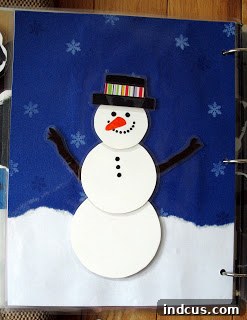
First up is a seasonal favorite that sparks creativity and introduces early concepts of construction and design: the “Build-A-Snowman” page. This interactive scene allows children to assemble their own snowman using various detachable pieces. Imagine the delight on their faces as they choose a head, a body, arms, and all the classic accessories like buttons, eyes, and a carrot nose. Each piece is designed to be easily manipulated by small hands, promoting independence and problem-solving. The beauty of this page lies in its open-ended nature; there’s no single “right” way to build the snowman, encouraging children to experiment and express their unique artistic flair.
This particular page is crafted with a sturdy felt base, providing the perfect canvas for the snowman parts. The individual elements—circles for the body, stick-like arms, tiny felt buttons, and a triangle carrot nose—are typically backed with Velcro or a similar attachment method, allowing them to be placed and repositioned countless times. This not only makes the activity reusable but also strengthens crucial fine motor skills. The act of picking up small pieces, orienting them correctly, and pressing them onto the page helps develop hand-eye coordination, pincer grasp, and dexterity—all foundational skills for writing and other daily tasks.
Beyond skill development, the “Build-A-Snowman” page offers a wonderful opportunity for imaginative storytelling and vocabulary building. Children can name the parts of the snowman, describe its appearance, and even create narratives around their frosty friend. Parents and caregivers can engage with their children by asking questions like, “What kind of hat should our snowman wear today?” or “Where should his buttons go?” This interaction fosters language development and strengthens the bond between adult and child through shared play. We initially designed this page with traditional snowman elements, but the vision extends to creating female accessories too – perhaps a charming flowered hat, a stylish scarf, or even a tiny purse. This expansion allows for even more personalized play and broader appeal, ensuring the page remains engaging throughout the year, not just in winter.
For those looking to replicate this page, you’ll need various colors of felt (white for the snowman, orange for the nose, black for eyes/buttons, and other colors for accessories), a sturdy felt page base, and a reliable adhesive like fabric glue or a sewing machine for durable seams. Velcro dots or strips are ideal for making the pieces detachable. Consider adding different textures or materials for the accessories to make the page even more sensory-rich. This page can also be adapted for different seasons or themes – think “Build-A-Pumpkin” for autumn, “Dress-A-Bunny” for spring, or “Decorate-A-Christmas-Tree” for the holidays. The possibilities for creative customization are endless, ensuring your quiet book remains fresh and exciting.
Cultivating Cognitive Skills: The “Hot and Cold” Sorting Activity Page
The second page we’re highlighting is a fantastic tool for early cognitive development: the “Hot and Cold” sorting activity. This page presents children with a delightful challenge: to categorize a stack of picture cards into designated “hot” and “cold” piles. It’s a simple yet incredibly effective way to introduce the concept of opposites and encourage critical thinking. The visual cues on the cards make the activity accessible even for very young children, while older toddlers and preschoolers can benefit from discussing why certain items belong in each category.
To create this page, we started by drawing and coloring small, clear pictures representing “hot” items (like the sun, a flame, a cup of coffee) and “cold” items (like an ice cream cone, a snowflake, an ice cube). While hand-drawn pictures add a personal touch, you could easily print out clipart images for a quicker approach. Laminated cards would offer increased durability, protecting them from enthusiastic little hands. The page itself features two distinct “striped squares” which function as pockets for storing and sorting the cards. These pockets are not just practical for organization but also serve as clear visual targets for the sorting task, helping children understand the goal of the activity.
This sorting activity goes far beyond simply matching pictures. It nurtures several key developmental areas. First, it hones categorization skills, which are fundamental for logical thinking and problem-solving. Children learn to identify common attributes and group items accordingly. Second, it expands vocabulary as children learn the names of the objects on the cards and the concepts of “hot” and “cold.” Engaging in discussions about the characteristics of each item further reinforces their understanding. “Is the sun hot or cold? Why do you think so?” These types of questions stimulate deeper cognitive processing.
The beauty of the sorting page lies in its adaptability. Once children master “hot” and “cold,” you can easily create new sets of cards based on other opposites. Think “light/dark,” “big/little,” “black/white,” “happy/sad,” or even “day/night.” This allows the page to grow with your child, offering new challenges as their understanding expands. Beyond opposites, you could also introduce color sorting, shape sorting, or even animal habitat sorting. Imagine a page where children place farm animals in one pocket and jungle animals in another. The fundamental design of the page – a base with two clear sorting areas – makes it incredibly versatile, maximizing its educational potential within your quiet book. The durability of the pockets, ideally sewn or securely glued, ensures they can withstand repeated use and storage of numerous card sets.
Why Quiet Books Are Essential for Early Childhood Development
In an age dominated by screens and digital distractions, quiet books offer a refreshing and profoundly beneficial alternative. They provide a tactile, hands-on learning experience that stimulates a child’s senses and encourages focused play. The benefits extend far beyond just keeping a child occupied. Quiet books are instrumental in fostering independence, as children can engage with them autonomously, exploring each page at their own pace. This self-directed play builds confidence and encourages a sense of accomplishment.
Furthermore, quiet books are incredible tools for developing a wide range of essential skills. From the fine motor skills honed by manipulating small pieces and zipping zippers to the cognitive skills cultivated through sorting, matching, and storytelling, every page offers a unique learning opportunity. They enhance problem-solving abilities, boost creativity, and can even aid in emotional regulation by providing a calming, engaging activity during times of stress or overwhelm. The portability of quiet books makes them perfect travel companions, transforming long car rides or waiting room visits into productive and enjoyable learning sessions.
Tips for Crafting Your Own Durable and Engaging Quiet Book
When embarking on your quiet book project, thoughtful planning can make all the difference. Choosing durable materials is key; felt is a popular choice for its softness, vibrant colors, and ease of cutting, but sturdy cotton fabrics can also be used, perhaps with interfacing for added stiffness. For attachment methods, Velcro is incredibly versatile, but consider snaps, buttons, or even small magnets for different sensory experiences and skill challenges. Ensure all small components are securely fastened to prevent choking hazards, especially for younger children. Hand-stitching offers a charming, rustic feel and exceptional durability, while machine sewing can expedite the process for more complex pages.
Personalization is at the heart of quiet books. Tailor the themes and activities to your child’s specific interests, age, and developmental stage. If they love animals, include a farm page; if they’re fascinated by colors, create a color-matching activity. Start with simpler tasks for toddlers and gradually introduce more complex challenges as they grow. Remember, the goal is to create a book that invites exploration and learning, one that your child will cherish for years to come.
Expand Your Quiet Book Adventures
The possibilities with quiet books are truly endless. For those fascinated by incorporating unique elements, we’ve explored the world of magnetic quiet book pages, which add an entirely new dimension of interactive fun. Imagine pieces that magically stick to the page, offering a different tactile experience and a satisfying “click” as they connect. You can discover more about these innovative pages and techniques, including detailed insights into using magnetic paint for creating truly dynamic surfaces, by exploring our related resources. These provide additional inspiration and practical advice for taking your quiet book creations to the next level.
More magnetic quiet book pages here and here.
Info on magnetic paint here.
Creating a quiet book is a journey of creativity, love, and learning. Each stitch, each piece of felt, and each carefully chosen activity contributes to a unique educational toy that will provide countless hours of engaging play. We hope these detailed insights into our “Build-A-Snowman” and “Hot and Cold” sorting pages inspire you to embark on or continue your own quiet book adventure. Share your creations, experiment with new ideas, and most importantly, enjoy the process of crafting joy for the little ones in your life.