Discover the Joy of Paint Scraping: A Versatile & Easy Craft Technique
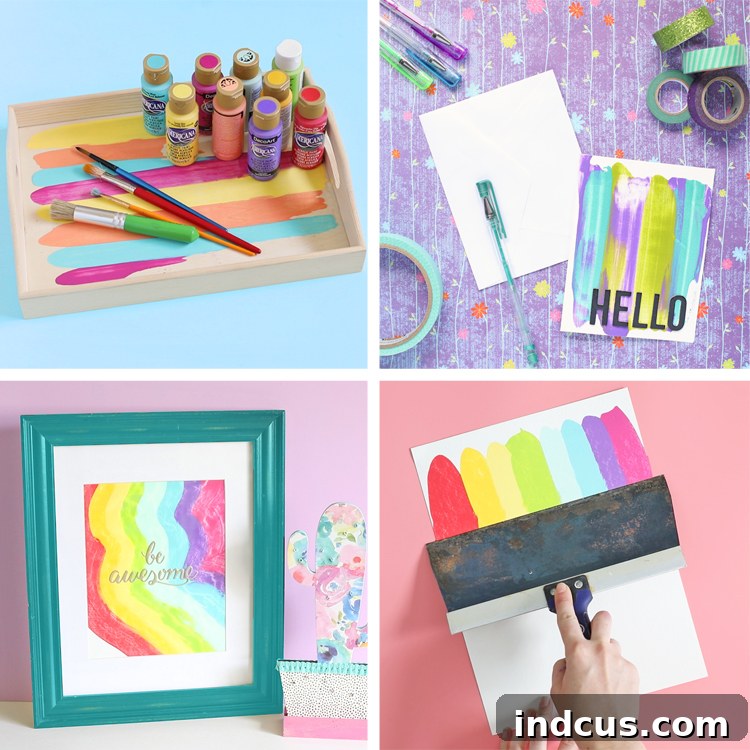
Are you searching for an exciting, yet remarkably simple, way to infuse vibrant artistry into your craft projects? Look no further than paint scraping – a captivating painting technique that offers endless creative possibilities for crafters of all skill levels. This method is not only incredibly satisfying to execute but also yields stunning, unique results every single time. It’s an ideal way to add a dynamic touch to anything from personalized gifts to bespoke home decor. Dive into the world of abstract art and discover how easily you can transform everyday items into colorful masterpieces.
Paint scraping is celebrated for its ease and the immediate gratification it provides. Whether you’re a seasoned artist or just beginning your creative journey, this technique allows you to produce beautiful abstract designs with minimal effort. It’s a fantastic alternative to traditional brush painting, offering a more spontaneous and organic approach to color and texture. Its accessibility makes it a popular choice for quick DIY projects, creative art therapy, and engaging activities for the whole family.
Unleashing Creativity with Paint Scraping
The true beauty of paint scraping lies in its incredible versatility. It’s more than just a technique; it’s a doorway to a world of artistic expression, enabling you to create diverse projects with a signature, artistic touch. Let’s explore some of the exciting applications where paint scraping truly shines, transforming ordinary items into extraordinary works of art and adding a personalized flair to your surroundings.
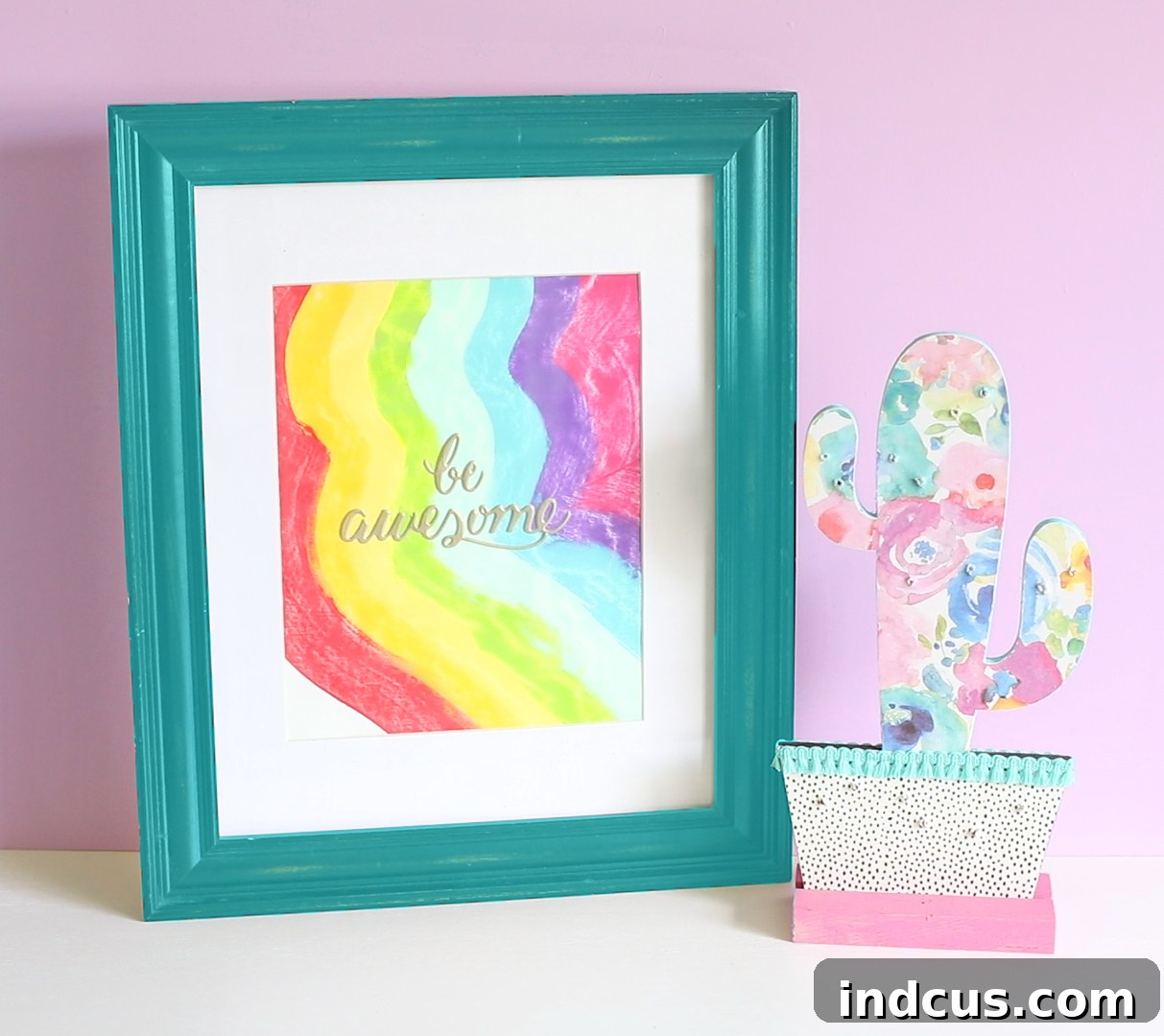
You can effortlessly create breathtaking custom abstract art pieces. Imagine a canvas adorned with mesmerizing streaks of color, each pull of the scraper revealing a unique blend and pattern. These vibrant artworks can be tailored to match any decor, making them perfect focal points for living rooms, bedrooms, or offices. The unpredictable nature of the scrape ensures that no two pieces will ever be identical, guaranteeing truly original artwork that speaks volumes about your creative spirit. This form of abstract expression is both fun to create and visually striking.
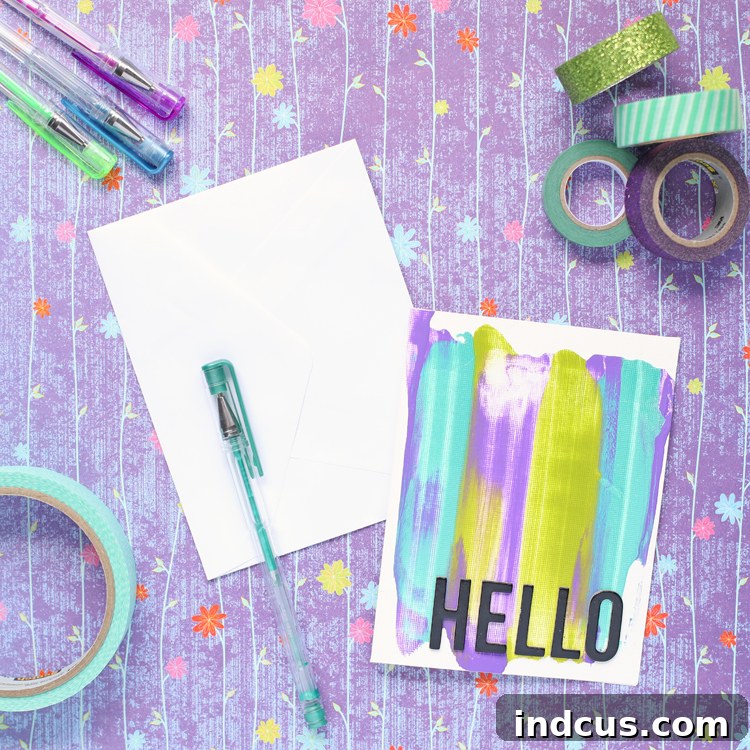
Beyond abstract canvases, paint scraping offers a delightful way to personalize handmade cards. Picture a greeting card featuring a vibrant, scraped design – a truly heartfelt touch that makes the card stand out from mass-produced options. This technique allows you to create bespoke designs for birthdays, anniversaries, holidays, or just because, ensuring your message is delivered with a unique artistic flair. Crafting your own cards adds a personal sentiment that recipients will surely cherish.
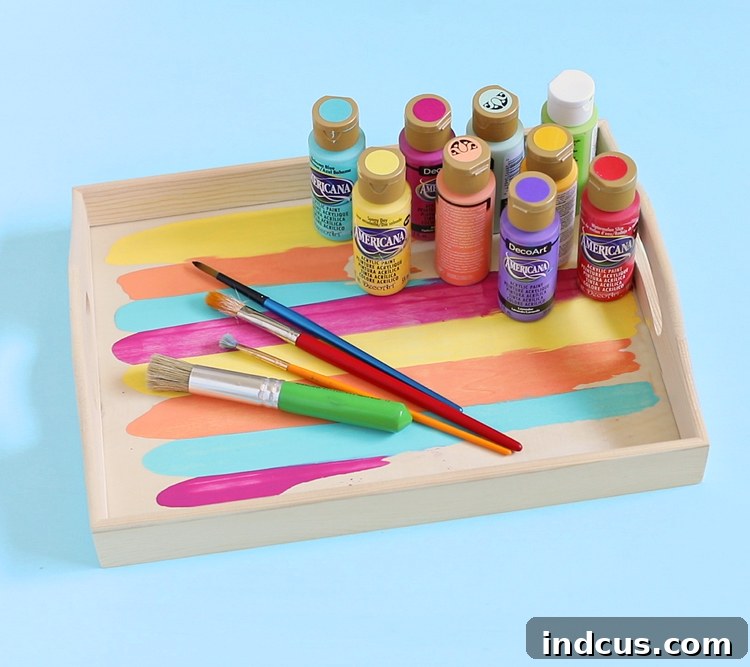
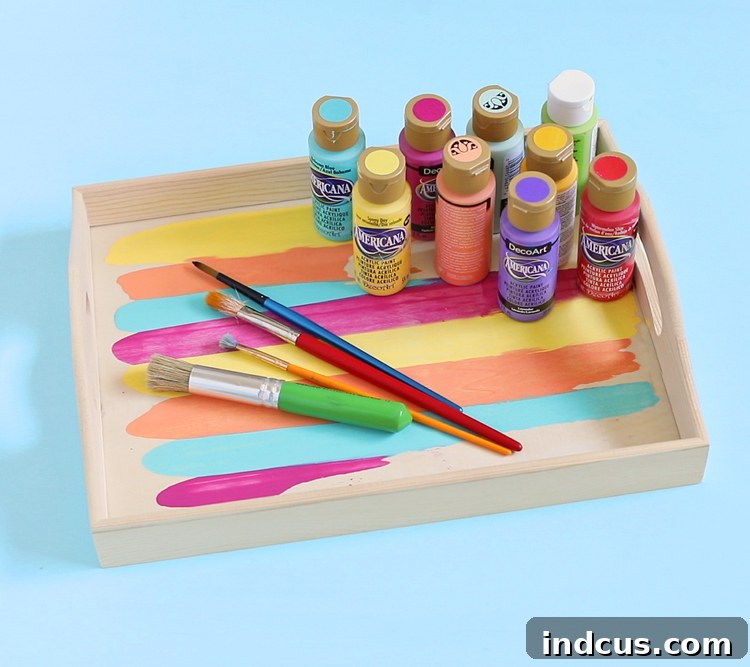
One of my favorite projects involved transforming an unfinished wooden tray into a stunning, personalized accent piece. The “happy streaks of color” that emerge from the scraping process are genuinely captivating, adding a bespoke charm that store-bought items simply cannot replicate. This method is fantastic for upcycling or customizing various wooden items like coasters, small boxes, picture frames, or even small pieces of furniture, bringing a personalized burst of color and unique texture to your home decor. It’s an effortless way to refresh old items or personalize new ones.
The process of paint scraping is not just about the final product; it’s also incredibly therapeutic and visually engaging. To truly appreciate the dynamic nature of this technique and see how simple it is to achieve impressive results, I’ve included a short video demonstration. It’s totally mesmerizing to watch, and I’ve put it together to show you the technique in action, bringing the steps to life and offering invaluable visual guidance. Just click on the video image below to play and prepare to be inspired.
Essential Tools for Your Paint Scraping Adventure
One of the many appealing aspects of paint scraping is its remarkable accessibility. You don’t need a vast array of specialized equipment or expensive art supplies to get started. In fact, you likely have most of the necessary items already in your home or craft stash, making it an incredibly budget-friendly hobby. The beauty of this technique lies in its simplicity, requiring just a couple of fundamental supplies to unleash your creativity and produce stunning results.
The Star of the Show: Craft Paints
The primary ingredient for any paint scraping project is, of course, paint! While you can certainly experiment with various types, regular craft acrylic paints are an excellent starting point. They are affordable, widely available, and come in an incredible spectrum of vibrant colors, making them perfect for beginners. But don’t feel limited to just basic acrylics – the world of paint offers so many exciting avenues for texture, shimmer, and unique finishes:
- Regular Craft Paint: Your go-to for vibrant, opaque colors. These acrylics are easy to work with, blend beautifully, and dry relatively quickly, making them ideal for layering.
- Metallic Paint: Adds a beautiful shimmer and sophisticated touch to your designs, catching the light in interesting ways and providing an elegant finish. Golds, silvers, and bronzes can elevate any project.
- Glitter Paint: For those who love a bit of sparkle! Glitter paint can add an extra layer of fun, dimension, and festive flair, especially for celebratory crafts.
- Fabric Paint: If you’re planning to decorate textiles like tote bags, t-shirts, or canvas shoes, fabric paint is essential to ensure your designs are washable, durable, and long-lasting after they’ve dried and been heat-set.
- Chalk Paint: Can give a matte, rustic, or distressed finish, perfect for farmhouse-style decor projects or adding a vintage touch to wooden items. It adheres well to many surfaces.
- Fluid Acrylics: These paints have a thinner consistency, which can create different flow patterns and more delicate, ethereal streaks when scraped, offering a softer aesthetic.
Experimentation is key! Don’t be afraid to mix and match different types of paint or blend colors directly on your surface before scraping. This allows for stunning color gradients, unexpected artistic outcomes, and truly personalized effects that reflect your unique style.
Your Trusty Scrapers: Beyond the Spatula
The second crucial tool is your scraper. The magic of paint scraping largely depends on the tool you use to pull the paint across your surface. Anything with a flat, straight edge can work, but different tools will yield distinct effects, offering a range of textures and patterns. Here are some popular choices and their unique characteristics:
- Spatula: A kitchen spatula (especially a flexible rubber or silicone one) can give smooth, even pulls, ideal for softer blends and rounded edges if desired.
- Putty Knife: Commonly found in hardware stores, these offer a rigid, straight edge perfect for crisp lines and defined color separations. They are durable and easy to clean.
- Squeegee: Often used for window cleaning, a squeegee is excellent for covering larger areas smoothly and evenly, creating a clean, professional, and consistent look, perfect for expansive abstract pieces.
- Old Credit Card or Gift Card: These are perfect for smaller projects and offer a firm, thin edge for precise lines or scraping in tighter spaces. They are readily available and disposable, making cleanup easy.
- Cardboard Strips: Cut from a cereal box, shipping box, or other packaging, these are wonderfully versatile. They can be shaped, bent, or even notched for custom effects, offering a free and adaptable scraping tool.
- Palette Knives: While traditionally used for mixing paints, a wide, flat palette knife can also be used as a scraper, offering a good balance of flexibility and rigidity for varied strokes.
- Rigid Plastic Sheets: Pieces of discarded plastic packaging (e.g., from toy packaging or food containers) can be cut into custom shapes and sizes to serve as unique scrapers, allowing for bespoke edges.
- Combs or Notched Tools: For truly unique textured effects, consider using tools with jagged teeth or cut deliberate notches into a cardboard strip. This will create fascinating ridges, lines, and wave patterns within your paint streaks, adding another layer of captivating visual and tactile interest.
The choice of scraper can dramatically alter the final appearance of your artwork. Don’t hesitate to try a few different options to discover which ones you enjoy most and what innovative effects they produce. Experimentation with tools is part of the fun in paint scraping!
Mastering the Paint Scraping Technique: Step-by-Step Guide
Now that you have your supplies ready and a clear understanding of the tools at your disposal, let’s dive into the simple yet highly effective steps to create your own paint scraped masterpieces. Remember, there’s no right or wrong way – experimentation is highly encouraged, and every piece will be a unique reflection of your creative journey!
Step 1: Preparing Your Canvas and Colors
Begin by selecting your desired surface. This could be anything from sturdy cardstock, a stretched canvas, a wooden tray, a ceramic tile, or even a piece of fabric (if using fabric paints). Ensure your surface is clean, dry, and free from any dust or debris that could interfere with the paint adhesion. Next, squirt a variety of your chosen paint colors onto one side of your surface. There’s no strict rule about how much paint to use, but a good starting point is a generous line or series of dots of each color you plan to use. Consider your color palette – vibrant contrasts work beautifully, as do harmonious gradients or analogous color schemes. You can arrange your colors in neat parallel lines, random blobs, or even overlap them slightly to encourage pre-blending. This initial placement directly influences how the colors will blend and streak across your piece, so take a moment to visualize your desired outcome.
Step 2: The Art of the Pull
With your paints laid out on your chosen surface, it’s time for the magical part that defines the paint scraping technique. Take your chosen scraper (whether it’s a spatula, putty knife, or old credit card) and gently place its straight edge onto the paint, at the very edge of your desired starting point. Apply even, steady pressure, ensuring the scraper makes full contact with the surface, and slowly pull the scraper across the craft surface. The key is to maintain consistent pressure and a smooth, deliberate motion from one end to the other. As the scraper moves, it will drag and blend the colors, creating those characteristic, beautiful streaks and unique patterns.
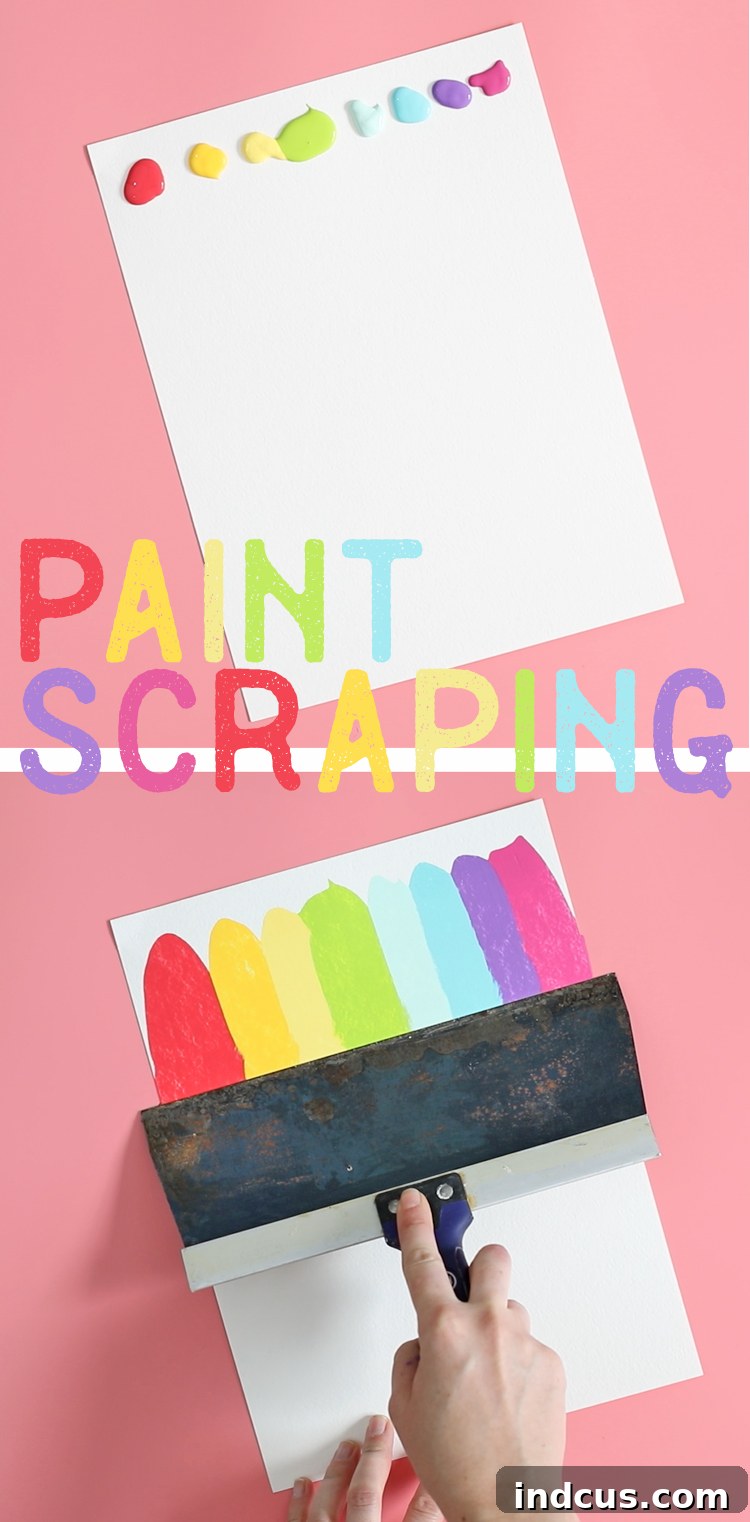
The beauty of this step is in its flexibility and the creative control it offers:
- Straight Lines: For a clean, modern, and minimalist look, pull your scraper in a perfectly straight line, maintaining a consistent direction.
- Wiggly or Wavy: Introduce a playful, organic, or fluid feel by gently wiggling your hand or curving the scraper as you pull it across, creating dynamic, undulating lines.
- Bent or Curved Lines: Start straight and then subtly bend your line halfway through, or create soft arcs for a more dynamic and artistic composition that guides the eye.
- Varying Pressure: Experiment with applying slightly more or less pressure. More pressure might create thinner, more defined lines and blend colors more thoroughly, while less pressure might leave thicker, more textured streaks with greater color separation.
- Multiple Scrapes: For added depth and complexity, you can apply more paint and make several overlapping scrapes in different directions or with different tools once the first layer is dry. This creates intricate layers and color interactions.
Don’t be afraid to experiment with angles and speed. A slower pull often results in more distinct color separation and finer lines, while a faster pull might create more blended, fluid transitions and broader strokes. Let your intuition guide you, and enjoy the process of discovery – each pull is a new adventure!
Tips for Perfect Paint Scrapes
- Practice on Scrap Material: Before committing to your main project, do a few test scrapes on scrap paper or cardboard. This helps you get a feel for the paint consistency, the amount of pressure needed, and how different scrapers behave.
- Less is More (Sometimes): While you need enough paint to spread smoothly, too much can create a muddy effect or prevent crisp lines. Start with a moderate amount and add more if needed. It’s easier to add than to remove.
- Clean Your Scraper: Wipe your scraper clean between each pull, especially if you’re working with different color schemes or want crisp, un-muddied lines and distinct layers. This prevents unwanted color mixing.
- Layering: For more complex designs with incredible depth and visual interest, allow the first layer of paint to dry completely before applying more paint and scraping over it. This technique builds rich, multi-dimensional artwork.
- Embrace Imperfection: The charm of paint scraping often comes from its organic, slightly unpredictable nature. Don’t strive for absolute perfection; celebrate the unique, spontaneous patterns that emerge – they are what make your artwork truly original!
Endless Possibilities: Creative Project Ideas with Paint Scraping
The versatility of the paint scraping technique truly knows no bounds. Once you’ve mastered the basic steps and familiarized yourself with the tools, you’ll find yourself looking at everyday objects as potential canvases for your next colorful creation. Here are even more inspiring ideas to incorporate this captivating painting technique into your crafts and DIY projects, expanding on the concepts we’ve already touched upon and encouraging new artistic ventures:
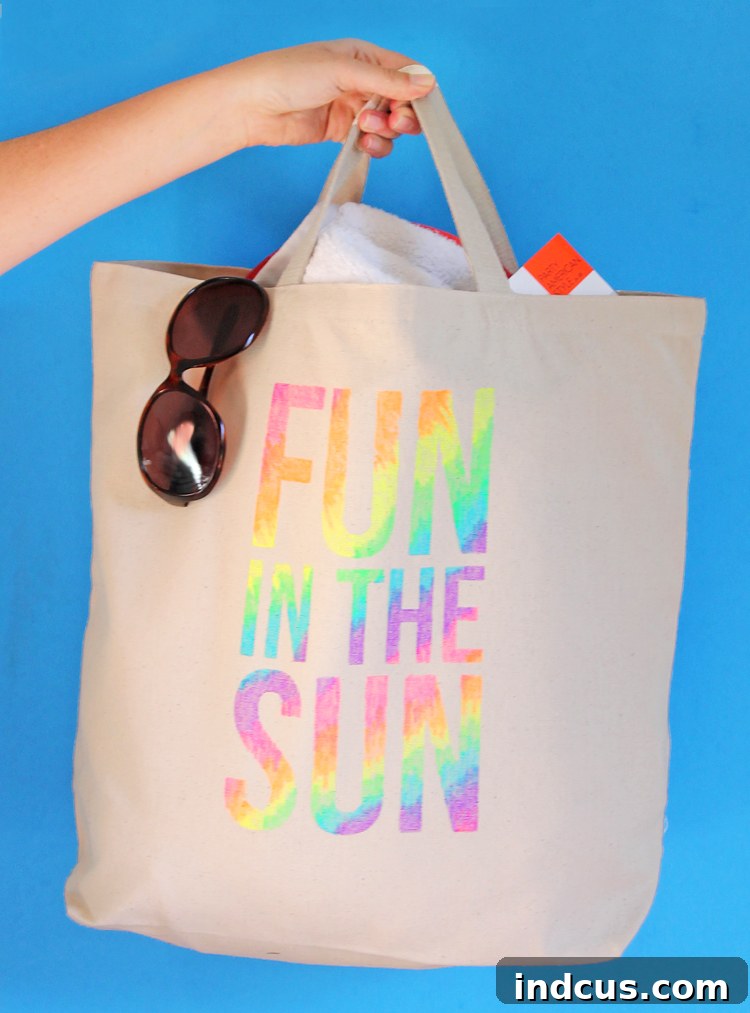
- Fashion and Textiles: Decorate a Tote Bag or T-shirt. Using specific fabric paints, you can transform plain canvas bags, t-shirts, canvas shoes, or even denim jackets into unique wearable art. The scraped designs add a modern, abstract flair to your wardrobe or make fantastic personalized gifts that showcase your creativity.
- Paper Crafts: Beyond the Card. While handmade cards are a fantastic starting point, consider paint scraping a design onto larger sheets of thick cardstock. You can then cut the paper into fun shapes for gift tags, artistic bookmarks, distinctive scrapbook embellishments, or even create unique backgrounds for framed quotes, calendars, or custom wall art prints.
- Home Decor & Gifts: Elevate Your Living Space. Expanding on the wooden tray idea, imagine paint scraping designs onto ceramic coasters, small wooden signs, terracotta plant pots, glass vases (using glass paint), or the matte of a picture frame to add a vibrant pop of color and an artistic touch to your home decor. For the truly adventurous, you could even create a unique accent wall in a small space, adding a striking, hand-painted texture to your interior design. This takes “painting a wall” to a whole new, artistic level, creating a bespoke feature wall.
- Kid-Friendly Fun: A Perfect Summer Craft! Paint scraping is wonderfully inclusive for all ages and skill levels. Let the kids get involved for a fun and engaging summer craft activity, a rainy-day project, or an art class session. It’s less messy than traditional finger painting, offers instant visual rewards, and encourages creative exploration without the pressure of precise brushstrokes. Children can experiment freely with colors and movements, developing fine motor skills, color recognition, and artistic confidence.
- Advanced Techniques: Textured Scrapes. To achieve truly unique textures and dynamic effects, experiment with different scraper edges. Use something with jagged teeth on the edge (like a comb, a fork, or a custom-cut cardboard piece with notches) to scrape the paint. This will create fascinating ridges, lines, and wave patterns within your paint streaks, adding incredible depth and tactile interest to your artwork. You can also try multi-directional scrapes, overlapping colors from different angles once initial layers are dry for complex compositions.
- Customized Stationery: Design your own unique letterhead, envelopes, journal covers, or even party invitations using scraped patterns. It adds a deeply personal and artistic touch to your correspondence and creative endeavors, making every piece special.
- Mixed Media Art: Combine paint scraping with other art forms like stenciling, stamping, or even collage. Scraped backgrounds can provide a fantastic base for more detailed work, adding texture and color without overwhelming the main subject.
Why Choose Paint Scraping? The Benefits of This Artistic Method
In a world often consumed by digital screens and complex tasks, paint scraping offers a refreshing return to tangible creativity and hands-on engagement. Its growing popularity isn’t just a fleeting trend; it’s a testament to the numerous benefits this accessible art form provides, both for the individual artist and for collaborative projects:
- Accessible to All Skill Levels: Unlike techniques that require years of practice to master intricate brushwork or precise drawing, paint scraping welcomes everyone. There’s no need for inherent drawing skills or extensive art knowledge. The process itself is intuitive and forgiving, making it a fantastic entry point for absolute beginners and a relaxing, unpressured alternative for experienced artists.
- Stress Relief and Mindfulness: The repetitive, fluid motion of scraping paint can be incredibly meditative and therapeutic. It allows you to slow down, focus intently on the colors and movements, and engage in a calming, mindful activity. It’s a wonderful way to de-stress, alleviate anxiety, and express emotions through abstract art, providing a much-needed creative escape.
- Cost-Effective Creativity: You don’t need expensive supplies to embark on a paint scraping adventure. A few tubes of affordable craft acrylic paint and everyday household items for scrapers (like old credit cards or cardboard strips) are often all it takes. This makes it an incredibly economical hobby that delivers high-impact artistic results without breaking the bank, making art accessible to everyone.
- Produces Unique, Abstract Results: Every single scrape is distinct. The way colors blend and interact, the pressure applied, the angle of the scraper, and the movement of your hand all contribute to a one-of-a-kind pattern. If you love abstract art, this technique guarantees original pieces that reflect your momentary creative impulse, ensuring your artwork is always unique and personal.
- Incredibly Versatile: As extensively explored, paint scraping isn’t limited to just canvas or paper. Its remarkable adaptability to various surfaces – including paper, wood, fabric, ceramic, glass, and even walls – means you can apply this technique to a vast array of craft projects, personalized gifts, and home decor items, expanding your creative horizons.
- Boosts Confidence: Seeing the beautiful, often surprising results of your own hands, especially with a technique that feels so effortless, can be a huge confidence booster. It encourages further creative exploration, fosters a sense of accomplishment, and proves that anyone can be an artist capable of creating stunning visual works.
Unleash Your Inner Artist Today!
Paint scraping is truly a gem in the world of crafting – simple in execution, yet profound in its artistic potential. It’s a chance to experiment freely with color, texture, and movement, creating stunning visual narratives without the need for traditional artistic skills or years of training. From personalized abstract art for your home to unique, heartfelt gifts and engaging, mess-free activities for children, the possibilities are genuinely endless and exciting.
Gather your vibrant paints and your choice of scraper, watch the provided video for a dynamic burst of inspiration, and prepare to be utterly amazed by the beautiful, dynamic results you can achieve. So, why wait to unlock your creative potential? Grab your supplies and start scraping your way to beautiful, vibrant, and utterly unique creations today. Let your imagination flow and transform ordinary surfaces into extraordinary works of art!