The journey of parenthood is often described as a beautiful chaos, a relentless juggle between responsibilities, dreams, and the unwavering love for our children. Amidst this whirlwind, one critical aspect frequently takes a backseat: personal well-being, especially physical fitness. For many parents, the idea of maintaining a regular exercise routine feels like a luxury, an elusive dream that gets lost in the demands of daily life. This was precisely my struggle – a constant internal debate between the desire to stay active and the overwhelming practicalities of achieving it. Like many, I have a complex relationship with running; the initial drag to get out the door is very real, but the profound sense of accomplishment, the much-needed emotional release, and the precious “me time” that follows a good run are absolutely invaluable. That post-run feeling of being utterly spent, sweaty, and perhaps a little sore? Surprisingly, it’s a feeling I’ve grown to cherish, as it signifies effort and progress.
My early attempts at integrating running into my life as a mom revolved around the trusty double jogging stroller. It served its purpose admirably for a time, allowing me to push my little ones along as I clocked in miles. However, as my children grew, so did their weight, transforming what was once a manageable push into a Herculean task. The sheer effort required to propel two growing kids in a stroller while attempting to maintain a decent running pace became unsustainable. This shift forced me to re-evaluate my approach to fitness. The traditional windows for exercise – early mornings before the kids woke up or late evenings after my husband returned from work – proved equally challenging. The allure of a few extra minutes of sleep often won the battle against a pre-dawn run, and evenings were typically a chaotic mix of dinner, homework, bath time, and bedtime routines, leaving me utterly drained and too tired to contemplate lacing up my running shoes.
I found myself at a crossroads, yearning for a solution that was both effective and free, one that could seamlessly integrate into my unpredictable daytime schedule, and crucially, involve my children without hindering my workout. The need was clear: I wanted to run, to reclaim that vital physical and mental space, but I needed a strategy that embraced my reality as a busy mom, not one that fought against it. After much thought and observation, a simple yet profoundly effective idea began to take shape. I realized the answer wasn’t about finding more time, but about utilizing the time I had more creatively and efficiently. My solution emerged, offering a perfect blend of exercise, childcare, and outdoor adventure for my kids, all without costing a dime.
The Genius of the High School Track: My Secret Weapon for Mom Fitness
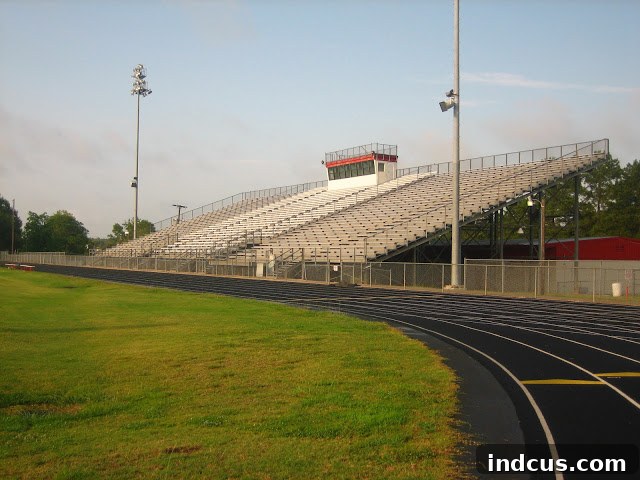
My ingenious solution was to utilize the nearby high school track. This often-overlooked public resource became my personal gym, and the best part? My kids came along, finding their own form of entertainment while I focused on my run. This simple shift transformed my entire fitness routine. I started implementing this strategy when my youngest was just two and a half and my older child was five and a half. The beauty of most high school tracks lies not just in their perfectly measured lanes but also in their adjacent facilities. For us, the long-jump pit became our sanctuary – a vast, open sandbox that instantly captivated my children’s imaginations.
To them, it wasn’t a long-jump pit; it was a giant playground, a construction site, or a treasure island. Sometimes we’d bring along a couple of small dump trucks and buckets, other days a few old kitchen spoons, and often, nothing at all. Their boundless creativity meant they could entertain themselves for extended periods, digging, building, and exploring in the dirt and sand. This independent play was a game-changer. While they were engrossed in their sandy adventures, happily occupied within my sight, I was free to run lap after lap after lap, unencumbered by a stroller, fully present in my workout.
Cultivating Independence and Setting Boundaries
Of course, this setup didn’t happen overnight without a little groundwork. The first few visits required some gentle training and clear communication about boundaries. We established the rule: they had to stay within the field inside the track. This meant they were always visible to me, and I was never more than a minute away, ensuring both their safety and my peace of mind. Remarkably, children adapt quickly to routines and boundaries when they understand the purpose and benefit. Soon, they not only adhered to the rules but began to look forward to our track visits. They would genuinely ask, “Mom, when do we get to go to the track again?” This enthusiasm from my children was the ultimate validation that I had stumbled upon a truly perfect solution.
This approach offers a multitude of benefits for both parent and child. For me, it provides uninterrupted cardiovascular exercise, a crucial outlet for stress, and a precious window for self-care. The rhythmic pounding of my feet on the track, the focused breathing, and the clear mental space I gain are unparalleled. For my children, it offers unstructured outdoor play, a chance to engage their imaginations, develop fine motor skills through digging, and experience fresh air and sunshine. It’s a win-win scenario, addressing the challenges of parent fitness head-on.
Practical Considerations for Your Track Adventure
While this method has proven incredibly successful for my family, it’s essential to be mindful of a few practical considerations to ensure a smooth and respectful experience. High school tracks are primarily facilities for school use, and community access often comes with specific guidelines. Before embarking on your first track adventure, I highly recommend checking with your local high school administration or athletic department. Inquire about their rules and regulations regarding public access, especially during school hours or after-school sporting events. Some tracks may have designated public access times, while others might be open whenever not in use by school activities. Respecting these rules is paramount to maintaining community access for everyone.
Additionally, consider the time of day you choose to visit. Off-peak hours, such as mid-morning or early afternoon on weekdays, often mean fewer crowds and less interference with school teams. Always be aware of your surroundings and yield to any organized school activities. A quick check online or a phone call can save you a wasted trip and ensure a positive experience for all involved.
Beyond the Laps: The Broader Benefits of this Unique Fitness Strategy
The advantages of this high school track hack extend far beyond simply getting a workout in. It encompasses a holistic approach to family wellness and personal development:
1. Mental Well-being and Stress Relief
For parents, carving out time for exercise is not just about physical health; it’s a vital component of mental well-being. Running offers an unparalleled opportunity for stress reduction, mood elevation, and mental clarity. The rhythmic motion and focused breathing can be incredibly meditative, allowing you to process thoughts or simply enjoy a moment of quiet reflection away from the constant demands of parenting. The feeling of accomplishment after completing a run also boosts self-esteem and provides a sense of control amidst life’s uncertainties. This dedicated “me time” can significantly reduce parental burnout and enhance overall resilience.
2. Cost-Effective Fitness
One of the most appealing aspects of this solution is its cost-effectiveness. In an era where gym memberships, personal trainers, and specialized childcare can be significant financial burdens, utilizing a public track is completely free. This makes regular exercise accessible to families regardless of their budget, eliminating a common barrier to fitness for many parents. It demonstrates that prioritizing health doesn’t have to come with a hefty price tag.
3. Flexible and Adaptable
The flexibility of this approach is another major draw. It adapts to your schedule, rather than forcing you to adapt to rigid class times or childcare arrangements. You can go for 20 minutes or an hour, depending on your kids’ engagement and your energy levels. This spontaneity allows for greater consistency in your fitness routine, as you can seize opportunities when they arise, making it easier to integrate exercise into the unpredictable flow of family life.
4. Fostering Independent Play and Outdoor Exploration for Kids
While you’re running, your children are engaged in enriching independent play. This type of unstructured outdoor activity is crucial for their development. It encourages imagination, problem-solving, sensory exploration (the feel of sand, twigs, or leaves), and physical activity. Being outdoors also exposes them to fresh air and natural light, which are beneficial for their physical health and sleep patterns. They learn to entertain themselves, developing self-reliance and creativity away from screens.
5. Role Modeling Healthy Habits
By actively prioritizing your fitness, you become a powerful role model for your children. They observe you committing to a healthy lifestyle, demonstrating the importance of physical activity and self-care. This passive learning can instill positive habits and attitudes towards health and wellness that will benefit them throughout their lives. They see that exercise can be an enjoyable and integral part of daily life, not just a chore.
6. Safety and Visibility
The enclosed nature of a track and field area offers a relatively safe and contained environment for children to play. With clear boundaries and the ability to maintain constant visual contact, parents can feel secure while getting their workout. The flat, even surface of the track also reduces the risk of tripping hazards found on trails or sidewalks, allowing for a more focused run.
Making it Work: Tips for Continued Success
To ensure your high school track fitness strategy remains a success, here are a few additional tips:
- Pack Smart: Always bring water for both yourself and your children, and perhaps a small, non-messy snack to prolong their play. Sunscreen and hats are also essential for outdoor activities.
- Vary the Toys: Rotate the “sandbox” toys to keep the kids engaged. Simple items like small shovels, pails, toy cars, or even natural elements like sticks and stones can spark new games. Sometimes, the absence of toys encourages pure imaginative play.
- Observe and Adapt: Pay attention to your children’s energy levels and attention spans. Some days they might be content for an hour, other days only thirty minutes. Be flexible and know when it’s time to pack up.
- Be Prepared for Weather: Have a backup plan for rainy or excessively hot/cold days. This could be an indoor community track, a play cafe, or a home workout.
- Respect the Space: Leave no trace behind. Pack out everything you bring in, and ensure your children understand the importance of respecting public property.
Finding innovative ways to stay active as a parent is not just about physical fitness; it’s about mental resilience, setting a positive example, and demonstrating that prioritizing your well-being is possible, even amidst the beautiful chaos of family life. This high school track solution has been a true revelation for me, transforming my fitness journey from a daunting challenge into an enjoyable, integrated part of my daily routine. It’s a testament to the idea that with a little creativity and a willingness to think outside the box, parents can indeed achieve their fitness goals while fostering a love for outdoor play in their children. I wholeheartedly encourage you to explore this option in your community – it might just be the perfect solution you’ve been searching for.