Crafting Heartfelt Elegance: The Art of a Handmade Wedding Card
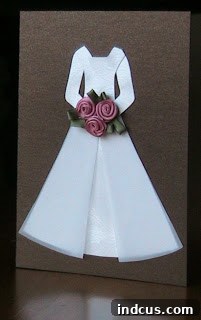
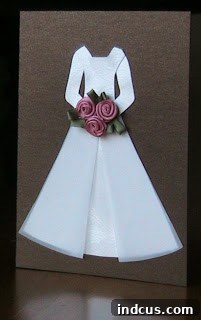 As the seasons change and love blossoms anew, many of us find our mailboxes overflowing with beautiful wedding invitations. It’s a joyous time, celebrating the union of two souls, and naturally, we want to express our well wishes in a way that feels just as special and unique as the occasion itself. While store-bought cards offer convenience, there’s an undeniable magic in a handmade creation, a tangible piece of thoughtfulness that speaks volumes. Recently, I embarked on creating a wedding card that perfectly encapsulates this sentiment, and I’m thrilled to share the details and inspirations behind it. This particular card, designed with a delicate dress silhouette, was crafted using shimmering papers and repurposed embellishments, proving that a little creativity and “elbow grease” can transform simple materials into a cherished keepsake for the happy couple.
The Undeniable Charm of Personalized Wedding Cards
In an age of mass production, the personal touch has become more valuable than ever. A handmade wedding card isn’t just a piece of paper; it’s a labor of love, an extension of your heartfelt congratulations, and a unique gift in itself. It’s a testament to the time and care you invested, making the card a memorable part of their special day, long after the confetti has settled.
Beyond the Store-Bought: The Personal Touch
Imagine the smiles and appreciation when a couple receives a card that clearly reflects thought and effort. Unlike generic cards, a handmade creation allows you to tailor every detail to the couple’s personality, their wedding theme, or even their chosen color palette. This level of personalization makes the card instantly stand out and become a cherished memento. Whether it’s a nod to their hobbies, a representation of their journey, or simply a card crafted in their wedding colors, these details transform a simple greeting into a profound expression of your wishes. It communicates a deeper connection, celebrating their unique story in a way a mass-produced card simply cannot.
Choosing Your Materials: A World of Texture and Shine
The foundation of any beautiful card lies in its materials. For this specific wedding dress card, the choice of paper was paramount. I opted for a beautiful shimmery cardstock for the base, lending an immediate sense of elegance and luxury. This type of paper, catching the light with a subtle sparkle, elevates the entire design without needing excessive embellishment. Beyond shimmer, crafters have a plethora of options: matte cardstock for a classic, understated look; textured papers that add tactile interest; or even specialty papers like vellum, which offers a translucent, ethereal quality perfect for layering. Vellum, with its delicate transparency, was ideal for creating the skirt overlay of the dress, adding depth and softness. When selecting your materials, consider the couple’s aesthetic and the overall feel you want to convey. High-quality paper isn’t just about looks; it also makes the card more durable and pleasant to handle, enhancing the recipient’s experience.
Crafting the Elegant Wedding Dress Card: A Step-by-Step Inspiration
Creating this particular wedding card was a delightful journey of simple techniques yielding stunning results. The core idea was to depict a beautiful bridal gown, capturing the essence of the wedding day in miniature form. This approach allows for incredible versatility, as the “dress” can be styled in countless ways to match different aesthetics.
Designing the Silhouette: From Sketch to Shimmer
The first step in bringing the wedding dress card to life involved sketching. I freehanded a classic dress shape onto a piece of gorgeous shimmery paper. This shimmering paper, in a subtle off-white hue, served as the main body of the gown, instantly conveying elegance. When sketching, consider various bridal gown styles: an A-line silhouette, a flowing ball gown, or a sleek sheath dress can all be adapted. Don’t be afraid to experiment with different outlines on scrap paper first. Once satisfied with the design, carefully cut out the dress shape. Precision is key here; a sharp pair of scissors or a craft knife can ensure clean, crisp edges, which significantly contribute to the professional finish of the card. The choice of shimmery paper for the dress body itself made it stand out as the focal point, reflecting light beautifully and drawing the eye.
Adding Dimension: The Vellum Skirt Overlay
To give the dress more dimension and a truly ethereal quality, I added a skirt overlay made from vellum. Vellum is a fantastic material for crafting due to its semi-translucent nature, which allows underlying colors and textures to subtly show through while adding its own delicate sheen. For the skirt, I cut a slightly wider and longer shape from vellum than the base dress, then gently gathered or pleated it to create volume before adhering it to the dress body. The trick with vellum is to use minimal adhesive, strategically placed where it will be least visible or covered by another element, to maintain its pristine look. This layering technique transforms a flat image into a multi-dimensional piece of art, mimicking the soft folds of a real wedding gown and adding an irresistible touch of sophistication.
Infusing Color: Chocolate Brown and Pink Perfection
The bride’s chosen wedding colors were chocolate brown and pink, and naturally, these became the guiding palette for the card. The card base itself was a rich, shimmery chocolate brown cardstock, providing a luxurious backdrop that beautifully contrasted with the lighter dress. A small, delicate bouquet held by the dress was fashioned from pink elements, injecting a pop of vibrant color. The strategic use of the wedding colors not only made the card personal to the couple but also created a harmonious and visually appealing design. When incorporating colors, think about balance: a dominant color for the base, an accent color for key details, and perhaps a neutral (like the shimmery white dress) to tie it all together. This thoughtful color coordination elevates the entire design, making it look cohesive and professionally crafted.
The Power of Embellishments: Small Details, Big Impact
Embellishments are where a handmade card truly shines, allowing for intricate details that add character and charm. Beyond the pink bouquet, other embellishments can include tiny pearls, delicate lace trim, ribbon bows, or even glitter accents. For this card, I had a unique opportunity to incorporate repurposed rosettes. These weren’t bought from a craft store; they were carefully detached from the collar of an outfit someone had given my daughter. I initially disliked them on the clothing, but knew they had potential for a craft project. Tucking them away in my “scrap stash” proved to be a brilliant move, as they found their perfect home as a subtle, charming detail on the card. This act of repurposing not only adds a unique story to the card but also underscores the cost-saving and sustainable aspects of DIY crafting. It transforms discarded items into treasured components, proving that beauty can indeed be found in unexpected places.
DIY Wedding Cards: A Smart, Sustainable Choice
One of the most compelling aspects of crafting your own wedding cards is the incredible value it offers, both financially and creatively. It’s a testament to the idea that thoughtful gifts don’t have to come with a hefty price tag, especially when you leverage your creativity and existing resources.
Budget-Friendly Brilliance: Saving Money Without Sacrificing Style
The example of the wedding dress embellishment perfectly illustrates this point. A pre-made, store-bought embellishment of similar quality could easily cost $3 or more. By sketching and cutting the dress shape myself from scrap paper, the cost was virtually nothing. Even the card base and vellum were likely remnants from previous projects or inexpensive purchases. This approach extends beyond a single embellishment; consider the cumulative savings when you make several cards or engage in various scrapbooking projects. The intrinsic value of a handmade item, imbued with your time and care, far surpasses any monetary cost. It’s a smart way to allocate your budget towards other wedding expenses or gifts, all while presenting a truly memorable token of your affection.
The Thrill of the “Scrap Stash”: A Treasure Trove of Creativity
Any seasoned crafter knows the immense joy and utility of a well-maintained “scrap stash.” This collection of leftover papers, ribbons, beads, and repurposed bits and bobs is not merely clutter; it’s a treasure trove of potential. My repurposed rosettes are a prime example. These seemingly insignificant pieces, once destined for the bin, found a new purpose and added a distinctive touch to the wedding card. Cultivating a scrap stash encourages a mindful approach to crafting and consumption. It prompts you to look at everyday items with a crafter’s eye, envisioning their potential beyond their original form. This sustainable practice not only reduces waste but also sparks unique creative solutions, often leading to more original and characterful designs than those achieved with all new materials. The satisfaction of finding the perfect scrap for a specific project is a reward in itself.
Beyond Cards: Scrapbooking and Crafting for Life’s Milestones
The principles applied to creating this wedding card—personalization, resourcefulness, and attention to detail—are transferable to countless other crafting endeavors. Scrapbooking, in particular, thrives on these very foundations. From creating anniversary albums to personalized baby shower gifts, the skills honed in making a card can be expanded to larger, more intricate projects. This DIY philosophy encourages a lifestyle of creativity, allowing you to celebrate all of life’s milestones with unique, handmade items. Whether it’s crafting custom gift tags, party decorations, or personalized journals, the act of making something with your own hands brings a special kind of joy and leaves a lasting impression on both the creator and the recipient.
Tips for Your Own Handmade Wedding Card Project
Inspired to create your own masterpiece? Here are a few tips to get you started:
- Find Inspiration, Then Personalize: Look at existing designs for ideas, but always aim to add your unique twist. Incorporate elements that specifically relate to the couple.
- Practice Makes Perfect: If you’re trying a new technique or cutting a complex shape, practice on scrap paper first. This helps build confidence and refine your skills.
- Experiment with Layers and Textures: Don’t be afraid to combine different types of paper, fabrics, and embellishments. Layers add depth and visual interest.
- Gather Your Tools: Ensure you have sharp scissors, a craft knife, a cutting mat, reliable adhesive, and any specialty tools like paper punches or dies before you begin.
- Allow Ample Time: Rushing can lead to mistakes. Give yourself plenty of time to enjoy the creative process, especially for more intricate designs.
- Embrace Imperfections: Handmade items have character. A tiny imperfection often adds to the charm and authenticity, reminding the recipient that it was made with human hands and heartfelt effort.
- Most Importantly, Have Fun! Crafting should be an enjoyable and relaxing experience. Let your creativity flow and revel in the joy of making something beautiful.
Creating a handmade wedding card is more than just a craft project; it’s an act of love. This shimmery, elegant card, with its delicate vellum overlay and repurposed rosettes, is a perfect example of how thoughtful design and personal effort can culminate in a truly unforgettable gesture. It saves money, offers a sustainable approach to gift-giving, and most importantly, delivers a message of warmth and affection that no store-bought card can replicate. So, the next time a wedding invitation lands in your mailbox, consider crafting a masterpiece that truly celebrates the happy couple and leaves a lasting impression.