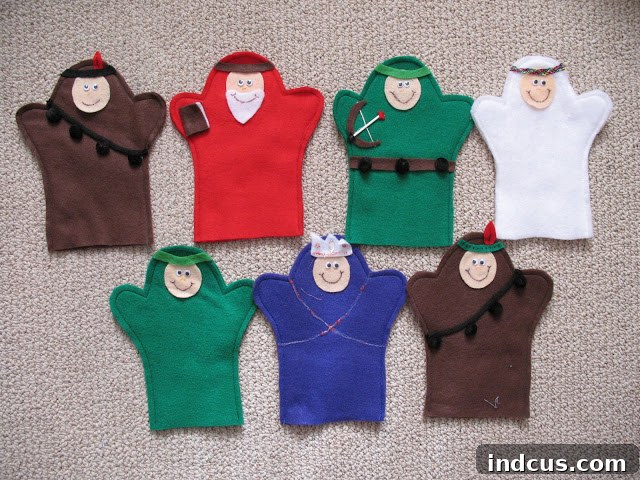
DIY Felt Scripture Puppets: Bringing Bible Stories to Life for Kids
In a world brimming with digital distractions, fostering a love for classic stories and spiritual teachings in children can be a delightful challenge. One incredibly effective and heartwarming method is through interactive storytelling, and what better way to do that than with handmade puppets? This guide dives into creating your very own felt scripture puppets, a fun and engaging project that transforms ancient tales from the Bible and Book of Mormon into vibrant, hands-on learning experiences for your little ones. Imagine the joy as your child actively participates in reenacting stories, developing a deeper understanding and connection to these timeless narratives.
Why Scripture Puppets are a Must-Have for Every Family
Felt scripture puppets are more than just toys; they are powerful educational tools that offer a multitude of benefits for children and families alike. This simple craft project opens doors to creative learning, strengthens family bonds, and provides a unique avenue for spiritual development.
- Engaging Learning Experience: Abstract concepts and historical events can be challenging for young minds to grasp. Puppets make these stories tangible and relatable. When children can physically manipulate characters and act out scenes, the narratives come alive, making learning both memorable and enjoyable. It’s a dynamic alternative to passive listening or reading.
- Boosts Creativity and Imagination: Handing a child a puppet is like giving them a key to an imaginative kingdom. They are encouraged to invent voices, create scenarios, and even develop new plot lines, fostering imaginative play that is crucial for cognitive development. This creative freedom helps them process information and express themselves.
- Enhances Family Bonding: Crafting these puppets together is a wonderful family activity. Furthermore, performing puppet shows or simply playing with them provides quality time for parents and children. These shared moments create lasting memories and open up opportunities for meaningful conversations about faith, morals, and values embedded in the stories.
- Fosters Moral and Spiritual Development: Regularly engaging with scripture stories through puppets reinforces important life lessons, ethical principles, and spiritual concepts. Children learn about love, forgiveness, courage, and perseverance in an accessible and engaging format, helping to build a strong moral compass from a young age.
- Develops Communication and Motor Skills: Puppet play naturally encourages children to use their voices, practice different tones, and articulate words more clearly as they give life to their characters. Simultaneously, manipulating the puppets helps refine their fine motor skills and hand-eye coordination.
- Affordable and Customizable: Made from inexpensive materials like felt, this project is budget-friendly. More importantly, it’s endlessly customizable. You can create a diverse cast of characters and props tailored to specific stories or your child’s interests, ensuring the puppets remain relevant and exciting over time.
Getting Started: Essential Materials for Your Puppet Project
One of the best aspects of this project is its simplicity and the minimal materials required. You likely have many of these items already around the house, making it an accessible craft for anyone interested in giving it a try.
- Craft Felt: This is the backbone of your puppets. Choose various colors for skin tones, clothing, hair, and accessories. Felt is easy to cut, doesn’t fray, and is soft for little hands.
- Fabric Scissors: Sharp scissors are crucial for clean, precise cuts.
- Sewing Machine or Needle & Thread: While a sewing machine speeds up the process, hand sewing with a simple running stitch or blanket stitch works just as well and can be a therapeutic part of the craft.
- Permanent Marker or Fabric Marker: For tracing your puppet patterns onto the felt.
- Embellishments Galore: This is where the characters truly come to life!
- Googly Eyes: They add instant charm and expressiveness. However, as many parents discover, children often love to pick them off. Consider alternatives like embroidered eyes or felt cut-outs if durability is a primary concern.
- Yarn: Perfect for creating realistic hair, beards, or even animal fur.
- Fabric Scraps: Use these for clothing details, crowns, halos, or other small accents.
- Buttons, Beads, Glitter Glue: For adding decorative touches, jewelry, or unique textures. Ensure small items are securely attached, especially for very young children.
- Fabric Glue (Optional): Useful for securing small embellishments, especially if you’re not keen on extensive sewing.
- Stuffing (Optional): A small amount of polyester fiberfill can be used to give the heads a slight 3D effect before attaching them to the body.
Step-by-Step Guide to Crafting Your Engaging Felt Puppets
The beauty of these puppets lies in their straightforward construction. You don’t need to be a master seamstress to create adorable and functional puppets. Here’s how you can make them:
Step 1: Design and Trace Your Puppet Shapes
Begin by sketching the basic outline of your desired characters. For scripture puppets, common shapes include a generic person (for kings, prophets, apostles), an angel, or even simple animal shapes if you’re making accompanying props like sheep or donkeys. Remember to make the body shape large enough for an adult hand (and certainly a child’s) to fit comfortably inside once sewn. A good rule of thumb is to trace around your own hand, leaving ample room around the edges. You can also create templates from cardboard for consistency. Trace this basic shape onto two pieces of felt of your chosen body color.
Step 2: Cut the Felt Pieces
Carefully cut out both felt pieces you traced in Step 1. Precision here ensures a neat finish. Once the body pieces are cut, move on to the head. Using a skin-colored felt, freehand or trace a simple oval or circular shape for the head. You might want to cut two head pieces if you plan to stuff it slightly for a more rounded look.
Step 3: Sewing the Puppet Body
Place the two identical body pieces directly on top of each other. Now, sew them together along the outside edges. If using a sewing machine, a straight stitch works perfectly. If hand sewing, a running stitch or a blanket stitch (which adds a decorative edge) are great options. Crucially, remember to leave the bottom edge of the puppet open. This opening is where hands will enter to bring the puppet to life. Reinforce the stitches at the beginning and end for durability.
Step 4: Crafting and Attaching the Head and Features
With the body ready, it’s time to give your characters their personalities. Take your skin-colored felt head piece (or two pieces if you’re stuffing it).
Eyes: As mentioned, googly eyes are undeniably cute but can be prone to detachment. If using them, ensure they are securely glued with strong fabric glue, or even add a small stitch through the center if possible. For more robust puppets, consider embroidering eyes with black thread, or cutting small white and black felt circles to create eyes that are sewn or glued on.
Mouths: A simple embroidered smile or a small red felt cut-out will do wonders.
Hair: Cut strips of felt in various colors for hair, or use strands of yarn, gluing or sewing them onto the head. You can create long flowing locks, short curls, or even majestic beards for prophets and kings.
Details: Add eyebrows, noses, and rosy cheeks (using a touch of blush or pink felt).
Once the head is decorated, attach it to the top opening of the puppet body. You can either sew it directly onto the front piece of the body, or create a small felt tab on the head to insert and sew to the inside of the body for a cleaner look. If you cut two head pieces, sew them together (optionally stuffing them lightly before closing) and then attach the finished head to the body.
Step 5: Adding Embellishments and Character
This is the stage where your characters truly come into their own.
Clothing: Use different colored felt scraps to create robes, tunics, dresses, or armor. Cut out shapes and glue or sew them onto the puppet’s body.
Accessories: Think about the roles of your characters. A king might need a crown (glitter felt is excellent for this); a prophet might carry a staff (a thin felt strip or a small twig); an angel could have wings (white felt, perhaps with glitter glue); a shepherd might have a crook. These small details add authenticity and allow children to easily identify the characters from the stories.
The sky truly is the limit! Let your creativity guide you in giving each puppet a unique and memorable appearance.
Bringing Stories to Life: Creative Puppet Play Ideas
Once your cast of characters is complete, the real fun begins! Here are some ideas for using your scripture puppets to engage children in storytelling and learning:
- Retelling Classic Tales: Start with well-known stories like Noah’s Ark, David and Goliath, the Nativity story, Joseph and his coat of many colors, or parables from the New Testament. From the Book of Mormon, stories like Nephi building the ship or Captain Moroni raising the Title of Liberty can be captivating. Encourage your child to suggest which stories to tell.
- Creating New Narratives: Don’t limit yourselves to existing stories. Encourage your child to improvise and create their own tales using the characters. What if the king decided to go on an adventure? What challenges would the prophet face in a modern city? This fosters imaginative thinking and problem-solving skills.
- Incorporating Props and Scenery: As mentioned in the original project, simple props elevate the storytelling experience. Cardboard trees, cotton ball sheep, a blue felt lake, a small cardboard ark, or even a mini altar can make the stories more immersive. You don’t need elaborate sets; often, a few key items are enough to spark imagination.
- The Puppet Show Stage: You don’t need a fancy puppet theater. A blanket draped over two chairs, a large cardboard box with a cutout window, or even just behind a sofa can serve as a perfect stage for your puppet shows. The anticipation of seeing the puppets emerge from behind the ‘stage’ adds to the excitement.
- Role-Playing and Character Development: Encourage children to take on different roles. This not only makes the play more interactive but also helps them understand different perspectives and emotions of the characters in the stories. Discuss the character’s feelings and choices.
Beyond Scriptures: Expanding Your Puppet Collection
While scripture puppets are a fantastic starting point, the techniques you learn can be applied to a vast array of other characters. The versatility of felt puppets means you can continually expand your collection, keeping playtime fresh and exciting.
- Animal Puppets: Create farm animals, jungle creatures, or even mythical beasts. These are great for teaching about animal sounds, habitats, or simply for whimsical play.
- Storybook Characters: Bring beloved characters from classic children’s books to life. Imagine acting out “The Three Little Pigs” or “Little Red Riding Hood” with your own handmade cast.
- Family Members: Make puppets that resemble each member of your family, including pets! This can be a fun way to practice social skills, talk about family dynamics, or even prepare for new siblings.
- Community Helpers: Doctors, firefighters, police officers, teachers – these puppets can help children understand different roles in society and alleviate anxieties about visits to the doctor or starting school.
- Fantasy and Mythical Creatures: Dragons, fairies, elves, or even friendly monsters can spark endless imaginative adventures and storytelling.
Tips for Success and Durability
To ensure your felt puppets withstand countless hours of storytelling and play, consider these practical tips:
- Sturdy Stitching: Whether hand or machine sewing, make sure your stitches are tight and secure. Double-stitching areas that will experience more stress, like where the head joins the body, can significantly increase durability.
- Secure Embellishments: For small parts like googly eyes, buttons, or beads, use a strong fabric glue and allow ample drying time. For younger children, consider embroidering features rather than using small, detachable pieces to prevent choking hazards.
- Quality Felt: While craft felt is generally inexpensive, some varieties are thicker and more durable than others. Investing in slightly higher quality felt can lead to puppets that last longer.
- Gentle Cleaning: If your puppets get dirty, spot clean them with a damp cloth and mild soap. If a full wash is necessary, hand wash gently in cool water and air dry to maintain their shape and prevent felt from pilling or shrinking.
- Organized Storage: Keep your puppets in a designated bin or bag when not in use. This prevents them from getting crushed, lost, or damaged, and makes cleanup easier.
The Enduring Joy of Handcrafted Learning
In an age dominated by mass-produced plastic toys and screen time, there’s something truly special and impactful about a handcrafted item. These felt scripture puppets are not just toys; they are tools for learning, vessels for storytelling, and tangible symbols of time and love invested. The process of making them, the act of playing with them, and the stories they help convey all contribute to a rich, educational, and deeply personal experience for children and their families.
So, gather your felt, thread, and imagination, and embark on this rewarding journey. You’ll not only be crafting charming characters but also creating cherished memories and fostering a lifelong love for stories and learning in the hearts of your children. The simple joy of bringing a prophet or a king to life through your own hands is an unparalleled reward.