Mastering Hotel Room Cooking: Your Ultimate Guide to Saving Money on Theme Park Trips
Embarking on a magical adventure to Disneyland or any major theme park is an exciting prospect, but the costs can quickly add up. Beyond the price of tickets and accommodation, dining expenses often present the largest unforeseen burden on a family’s budget. During our recent trip to the Happiest Place on Earth, we made a conscious decision: not to eat out once. This commitment allowed us to significantly curb expenses, transforming what could have been a financially draining experience into an affordable and memorable getaway. If you’re planning a similar excursion, whether it’s to Disneyland, Disney World, Universal Studios, or any destination where dining out is pricey, embracing hotel room cooking can be a game-changer. It’s not just about saving money; it’s about having control over your meals, catering to dietary needs, and enjoying a taste of home even when you’re far away. Here’s a comprehensive guide to mastering the art of hotel room cooking.
1. Proactive Planning: Unveiling Your Hotel’s Amenities
Before you even pack your bags, the single most crucial step is to understand what culinary resources your hotel room offers. Assumptions can lead to frustration and last-minute changes to your meal plan. While many standard rooms feature a mini-fridge, the presence of a microwave is less common but incredibly valuable. Some hotels, particularly extended-stay or suite-style accommodations, might even boast a full kitchenette with a stovetop, sink, and perhaps even a dishwasher. Don’t rely solely on generic website descriptions; those can sometimes be outdated or vague. Make a direct phone call to the hotel and speak with the front desk or concierge. Inquire specifically about:
- Mini-fridge size and freezer compartment: Is it large enough for your groceries? Does it have a separate freezer section for ice packs or frozen items?
- Microwave availability: Is it in the room, or is there a communal one available for guest use? What is its wattage?
- Kitchenette details: If a kitchenette is advertised, clarify what appliances are included (stove burners, oven, full-sized fridge), and if basic cookware, dishware, or utensils are provided.
- Coffee maker type: While often standard, knowing if it’s a single-serve (pod-based) or traditional drip machine helps with coffee supplies.
- Ice machine location: Handy for filling coolers and refreshing drinks.
- Nearby grocery stores: Ask for recommendations for local supermarkets or convenience stores.
Knowing these details beforehand allows you to plan your meals, packing list, and portable cooking devices much more effectively. For instance, discovering a microwave upon arrival, as we did, opened up a whole new world of possibilities that would have greatly simplified our initial preparations.
2. Strategic Meal Planning and Savvy Shopping
The foundation of successful hotel room cooking lies in meticulous meal planning and smart grocery shopping. This isn’t just about saving money; it’s also about saving precious time and energy during your vacation.
Bring Food From Home: The Ultimate Cost-Saver
Think about what you consume regularly at home. Before your trip, plan every breakfast, lunch, and dinner. Create a detailed shopping list based on your meal plan and purchase as many non-perishable and freezer-friendly items as possible at your local grocery stores. This strategy allows you to:
- Leverage sales: Shop the weekly flyers and stock up on sale items, just as you would for your regular home groceries. This ensures you’re paying the lowest possible price.
- Control quality and ingredients: Avoid unknown additives or potential allergens often found in restaurant food.
- Enjoy familiar comforts: There’s nothing quite like a comforting, home-cooked meal after a long day of walking and excitement at the park.
- Minimize waste: Only buy what you know you’ll consume.
Consider preparing some items in advance. Pre-cooked pasta, washed and chopped vegetables, or even a batch of pancake mix can significantly cut down on prep time in your hotel room. Pack these items in airtight containers or freezer bags.
Local Grocery Runs: Freshness and Replenishment
While bringing most of your staples from home is ideal, you’ll likely need to purchase fresh produce, dairy, or forgotten items upon arrival. Research grocery stores near your hotel before you leave. Services like Instacart or local grocery delivery might also be available, offering ultimate convenience for a small fee. Focus on items that are easy to prepare with limited equipment and those that don’t require extensive refrigeration, or ensure your mini-fridge is adequate.
Don’t forget essential pantry items that can elevate simple meals: a small bottle of olive oil, salt, pepper, a few favorite spices, coffee/tea bags, sugar, and maybe even shelf-stable milk or creamer. These small additions can make a big difference to the flavor and enjoyment of your meals.
3. Essential Hotel Room Cooking Gear
Beyond the hotel’s amenities, what you bring makes all the difference. Think compact, multi-functional, and easy to clean. Always prioritize safety and ensure any electrical appliances are in good working order and used responsibly.
- Portable electric kettle: Even if you have a coffee maker, a kettle can quickly boil water for instant oatmeal, noodles, hot drinks, or even sanitizing utensils.
- Small cutting board and sharp knife: Carefully packed for safety, these are invaluable for preparing fresh ingredients.
- Reusable plates, bowls, cups, and cutlery: Eco-friendly and cost-effective. Consider sturdy plastic or bamboo sets.
- Dish soap, sponge, and paper towels: Essential for maintaining hygiene and cleaning up after meals.
- Storage containers: Tupperware or similar containers are perfect for packing park lunches, storing leftovers, and organizing ingredients.
- Aluminum foil and Ziploc bags: Versatile for wrapping, cooking (e.g., foil packet meals if you have an oven), and general storage.
- Cooler bag with ice packs: Indispensable for transporting food from the grocery store, packing daily lunches and snacks for the park, and keeping drinks cold.
- Travel-sized garbage bags: Hotel trash cans are often small; extra bags make waste management much easier.
4. Unleashing Your Inner Hotel Chef: Creative Cooking Methods
With limited space and appliances, creativity is key. Here’s how to maximize common hotel room tools for delicious results:
The Versatile Sandwich Maker/Press
This compact appliance is a true unsung hero for hotel room cooking. It goes far beyond just sandwiches:
- Grilled Sandwiches: Our grilled ham and cheese sandwiches were heavenly after a long day at the park. Experiment with gourmet grilled cheeses, or even pizza sandwiches using spaghetti sauce, pepperoni, and mozzarella. For a sweet treat, try peanut butter, Nutella, and banana grilled sandwiches.
- Quesadillas: Easy to make with tortillas, cheese, and pre-cooked fillings like chicken or beans.
- Breakfast Sandwiches: Cook pre-cooked bacon or sausage, then fry an egg (if your maker allows, or use microwave for eggs) and assemble with cheese on an English muffin.
- Reheating: Perfect for warming up leftover pizza slices or flatbreads.
Most sandwich makers are also very easy to wipe clean, which is a huge bonus in a hotel environment.
The Humble Coffee Maker, Elevated
Almost every hotel room has one, and it’s not just for coffee:
- Hot Water Powerhouse: Ideal for anything that needs hot water added. We brought several packages of Cup A Noodle, which were a huge hit because they required minimal effort after exhausting park days.
- Instant Meals: Think instant oatmeal, couscous, instant mashed potatoes, or even rehydrating dried vegetables for a quick soup base.
- Hot Beverages: Beyond coffee, make tea, hot cocoa, or even use the hot water to dissolve bouillon cubes for a quick broth.
- Boiling Eggs: Carefully, you can hard-boil eggs by filling the coffee pot with water, placing eggs inside, and running the brewing cycle multiple times until they are cooked. Alternatively, pour hot water from the reservoir into a bowl with eggs and let them sit.
The Mighty Electric Skillet
An electric skillet can be your best friend for a wider range of meals:
- One-Pan Wonders: We loved using frozen dinner bags like chicken and pasta. They are incredibly easy and delicious, often requiring just a single pan and minimal cleanup.
- Breakfast Favorites: Scramble eggs, cook pre-cooked sausages or bacon strips, or even whip up a batch of pancakes from a mix.
- Sautéed Dishes: Quickly sauté vegetables with pre-cooked chicken or shrimp for a healthy stir-fry.
- Reheating: It’s excellent for reheating various leftovers, ensuring they don’t get soggy like in a microwave.
Remember to practice safe cooking with an electric skillet: ensure it’s placed on a stable, heat-resistant surface, and never leave it unattended while cooking.
The Crockpot/Slow Cooker: A Deep Dive
Bringing a crockpot can offer truly comforting, slow-cooked meals, but it requires careful planning to succeed in a hotel setting. Our initial attempt taught us some valuable lessons.
- Timing is Everything: The biggest challenge is the long cooking time. If you leave it on all day while at the park, food can easily overcook or even become a food safety risk if it sits on a “warm” setting for too long. For safety, food should not remain in the “danger zone” (40°F to 140°F) for more than two hours total. If your crockpot is on “warm,” it generally shouldn’t exceed 4 hours. Our pulled pork, for instance, suffered from this, leading to it being discarded for safety concerns.
- Smart Strategies:
- Overnight Cooking: Start a recipe before bed and let it cook on low overnight. By morning, it might be ready, or just need to be turned to warm for a short period.
- Mid-day Siesta: If your itinerary allows for a return to the hotel mid-day, this is the perfect time to start your crockpot. This way, it cooks for a reasonable duration before you return for dinner.
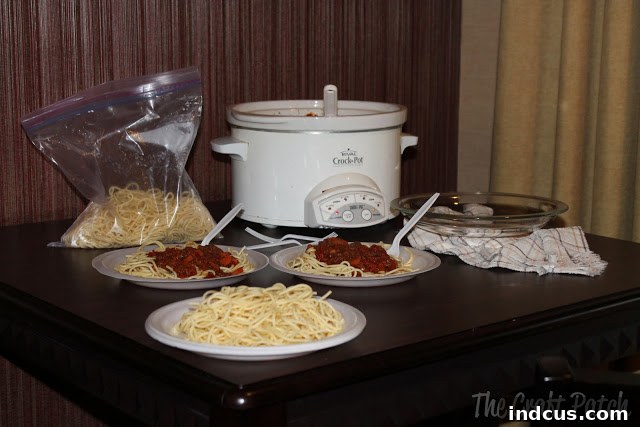
- Resilient Recipes: Choose recipes that can withstand longer cooking times without drying out or becoming mushy. Hearty stews, chili, pot roasts with tougher cuts of meat, or even certain soups are excellent choices. Our meaty spaghetti sauce cooked for a long time, leading to slightly burned edges, but it was still tasty. For noodles, pre-cooking and rinsing them to remove starch prevents sticking, and then reheating them with hot water (or a microwave, if available) works wonderfully.
- The Absolute Must-Have: Crockpot Liners! I cannot stress this enough. These inexpensive liners (a 4-pack for $2 was a lifesaver!) transform cleanup from a nightmare into a breeze. Imagine trying to scrub a crusty crockpot in a tiny hotel bathroom sink – pure misery! With liners, you simply toss the bag, wipe out the crock, and you’re done. This simple item is worth every penny.
The Underestimated Microwave (If Available)
If your hotel room surprisingly offers a microwave, it truly opens up a world of quick and easy options:
- Speedy Reheating: Perfect for leftovers or pre-cooked meals.
- Frozen Meals: Many single-serve frozen dinners are microwave-ready.
- Quick Breakfasts: Instant oatmeal, breakfast burritos, or even scrambled eggs cooked in a mug.
- Steaming Vegetables: A quick way to get some greens into your diet.
- Popcorn: A fun, budget-friendly snack for a relaxing evening.
5. Meal Ideas & Strategies for Theme Park Days
Planning specific meals around your park schedule is key to successful hotel cooking.
- Breakfast: Start your day right without breaking the bank. Think instant oatmeal, cereal with shelf-stable milk, yogurt and fruit, toast from your sandwich maker, or microwaveable breakfast burritos.
- Lunch: Pack lunches to bring into the park (check park rules on outside food). Sandwiches, wraps, salads (pre-made or assembled in the room), fruits, cheese sticks, and granola bars are great options. A good cooler bag is essential here.
- Dinner: After a long day, you’ll want something comforting and easy. This is where your crockpot, electric skillet, or pre-made pasta dishes shine.
- Snacks: Bring an abundance of snacks! Fruit snacks, nuts, trail mix, dried fruit, pretzels, and granola bars are energy-boosting and much cheaper than park snacks.
- Hydration: Carry reusable water bottles. Most theme parks have water bottle refill stations, saving you a fortune on bottled water.
6. Hygiene and Safety First
Cooking in a confined hotel space requires extra attention to cleanliness and safety.
- Food Storage: Always keep perishables properly refrigerated. If your mini-fridge is small, use your cooler bag with ice packs for overflow.
- Cross-Contamination: Use separate cutting boards and utensils for raw meats and produce. Wash everything thoroughly with hot, soapy water.
- Appliance Safety: Unplug appliances when not in use. Place them on stable, non-flammable surfaces. Be mindful of cords and avoid overloading electrical outlets. Never leave cooking appliances unattended.
- Waste Disposal: Use garbage bags for all food waste. Empty trash frequently to prevent odors and pests.
- Keep it Clean: Wipe down surfaces, clean dishes immediately, and keep your cooking area tidy to maintain a pleasant hotel room environment.
7. Beyond Disneyland: Universal Travel Applicability
While this guide focuses heavily on a Disneyland trip, the principles of hotel room cooking are universally applicable. Whether you’re on a road trip, attending a conference, visiting family, or simply exploring a new city, these strategies can help you save money, eat healthier, and enjoy the convenience of a home-cooked meal anywhere your travels take you. It offers flexibility, control, and a unique way to experience your destination without constant reliance on restaurants.
Conclusion: Savor the Savings, Relish the Experience
Our decision to cook all our meals in our hotel room during our Disneyland trip proved to be one of the smartest choices we made. It not only resulted in significant financial savings, allowing us to allocate more funds to park experiences, but also provided the comfort and familiarity of home-cooked meals. It was a pleasant respite after long, exciting days, and surprisingly enjoyable to prepare meals together as a family. Embrace these tips, and you too can transform your next theme park vacation into an affordable, delicious, and deeply satisfying experience.
Maximizing Your Disneyland Budget & Other Helpful Guides
When planning your Disneyland adventure, every dollar counts. We purchased our Disneyland tickets and hotel package through Get Away Today, and at the time, it saved us a substantial $150! Three years later, I’ve proudly joined their affiliate program because I genuinely believe in the value they offer. If you click on the Get Away Today link above and use the promo code “CraftPatch” at checkout, you can save an additional $10!
Don’t miss these other essential Disneyland posts for a truly magical and well-planned trip:
- What To Bring To Disneyland
- Planning Your Trip To Disneyland
- Disneyland With A Baby
- Free Printable Disneyland Fun Book