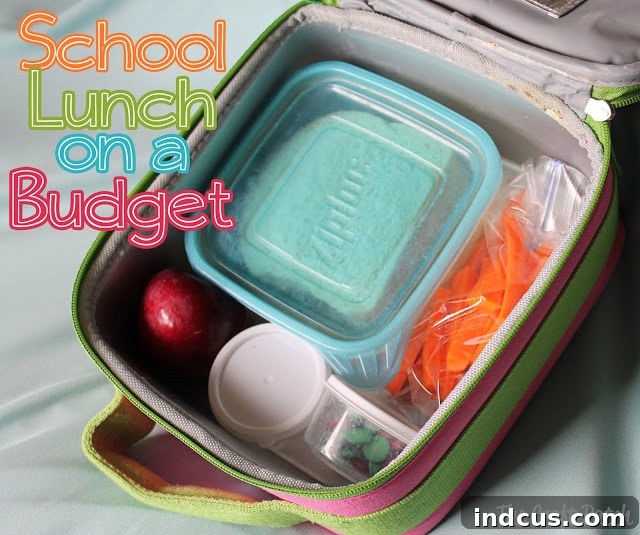
Navigating the daily challenge of packing school lunches can often feel like a budgetary tightrope walk, especially when facing the allure of pre-packaged snacks and convenience foods. Many parents find themselves grappling with the dilemma: how to provide nutritious, appealing meals for their children without constantly spending a fortune on individually wrapped items. The good news is that with a dash of creativity and a commitment to thriftiness, packing wholesome and exciting lunches is not only achievable but can also be incredibly rewarding. This guide is crafted for the savvy parent, the one who knows the value of a dollar and prioritizes health, offering a comprehensive array of ideas and strategies to assemble delicious lunchboxes for both children and adults without breaking the bank.
Essential Lunchbox Equipment for Savvy Packers
Equipping yourself with the right tools is the first step towards efficient and budget-conscious lunch packing. Investing in quality, reusable items upfront will save you money and reduce waste in the long run.
-
Choosing the Perfect Lunch Box
Opt for a spacious lunch box with thick, reliable insulation. This will keep food at a safe temperature until lunchtime, whether it needs to stay cool or warm. Look for durable materials that can withstand daily wear and tear. Great deals can often be found at yard sales, thrift stores, or discount retailers. Some regional stores, like Downeast Home, occasionally offer high-quality insulated lunch bags at incredibly low prices, even if they require a small alteration like removing a monogram. Consider lunch boxes with multiple compartments or bento-style designs for easy organization of different food items without needing extra containers.
-
Reliable Ice Packs
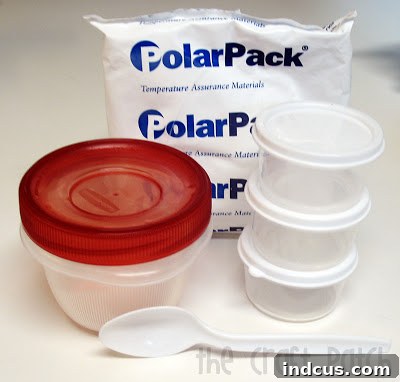
An effective ice pack is crucial for maintaining food safety, especially for perishables. While store-bought gel packs are readily available, you can also repurpose free ice packs often received from formula companies or even freeze a small water bottle. A frozen water bottle serves double duty by keeping food cold and providing a refreshing drink once it melts. Ensure your chosen ice pack fits comfortably within the lunch box alongside your food containers.
-
Versatile Reusable Containers
Minimize reliance on single-use plastic bags by stocking up on reusable containers in various sizes. Small, leak-proof containers are perfect for dressings, dips, or sauces, while flat, square ones are ideal for sandwiches or wraps. Test containers thoroughly to ensure they are liquid-proof before sending them with liquids to school. Choosing durable, food-grade plastic or even stainless steel options contributes to both cost savings over time and environmental sustainability. Bento boxes are excellent for creating visually appealing and varied meals, keeping different components separate and fresh.
-
Reusable Plastic Spoons and Utensils
Instead of constantly buying disposable cutlery, invest in a small set of reusable plastic spoons, forks, and knives. These are lightweight, easy to clean, and far more environmentally friendly. If they don’t always make it home, you won’t feel the sting of losing a ‘real’ spoon. Many travel cutlery sets come in compact cases, making them perfect for lunchboxes.
-
Consider a Thermos for Hot Meals
A good quality thermos can open up a world of possibilities for hot lunch options, especially during colder months. It allows you to pack leftovers like soup, pasta, or chili, significantly expanding your menu beyond cold sandwiches. To keep food warm for hours, preheat the thermos by filling it with boiling water for a few minutes, then empty it before adding the hot food.
Main Dish Marvels: Affordable & Appealing Lunchbox Fillers
The main dish is the star of any lunchbox, and with a little planning, it can be both delicious and budget-friendly. Focus on versatile ingredients and homemade options to maximize savings and nutritional value.
-
The Ever-Reliable Peanut Butter & Jelly (or Alternatives)
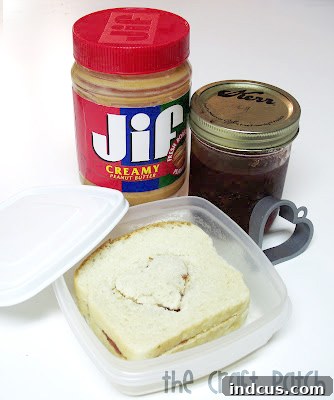
A classic for a reason, the PB&J sandwich is quick, easy, and usually a hit. To make it more exciting, use cookie cutters to create fun shapes, or cut the sandwich into puzzle pieces for a playful meal. Explore variations like peanut butter and banana slices (a delicious and nutrient-rich combo) or roll PB&J in a tortilla for a different texture. For those with nut allergies, sunflower seed butter or other alternative spreads work just as well.
-
Hearty Salad Sandwiches and Wraps
Tuna salad, egg salad, and chicken salad make excellent sandwich fillings or wrap stuffers. Prepare a batch at the beginning of the week for quick assembly. While deli meats can be pricey, homemade cooked chicken or turkey breast, shredded or sliced, offers a healthier and often more economical alternative for meat-based sandwiches.
-
Shake-Shake Salads for Freshness
Combat soggy salads with this ingenious method. Squirt your dressing into the bottom of a reusable container. Layer heartier ingredients next – think chopped vegetables, cheese, hard-boiled eggs, or cooked meat – followed by delicate greens like lettuce or spinach on top. When it’s time to eat, your child simply shakes the container to evenly coat the salad. This keeps everything crisp and fresh, making it a favorite for many kids.
-
Cold Pizza or Homemade Pizza Rolls
Leftover homemade pizza is always a welcome treat in a lunchbox. For a creative twist, consider making “tortilla pizzas” by spreading spaghetti sauce on a tortilla, adding pepperoni and cheese, rolling it up, and baking until golden. These can be served cold or briefly reheated. Another fun idea is “cheese swirls”: melt cheese on a tortilla, roll it up, and cut into ½-inch pieces.
-
DIY Hot Pockets & Other Baked Goodies
Homemade “hot pockets” are surprisingly easy and much healthier than store-bought versions. Fill dough (store-bought crescent roll dough works well) with a mixture of cooked meat, cheese, and sauce, then bake. These can be refrigerated or frozen individually, ready to grab and go. Muffins, such as zucchini, banana, or apple muffins, can also serve as a main dish, offering a nutritious and filling option. Don’t forget savory muffins with cheese and vegetables!
-
Layered Bean Dip & Chips
A fun and filling option, layered bean dip and chips offer a satisfying crunch. Layer refried beans, cheese, salsa, and maybe a little sour cream in a container, and pack a separate bag of corn chips for dipping. This provides protein and fiber and is a great way to use up leftover taco night ingredients.
-
Granola & Milk Combo
For a unique twist, pack homemade granola and milk separately. If sending milk from home, freeze it in a leak-proof container; it will thaw by lunchtime and keep other items cold. Your child can then mix them together just before eating. Alternatively, your child can purchase milk at school to combine with your packed granola.
-
Pasta Salad & Other Grain Bowls
Pasta salad is incredibly versatile. Use leftover cooked pasta, add chopped vegetables, cheese, and a light vinaigrette. Lentil salads, quinoa bowls, or couscous salads with roasted vegetables and chickpeas also make excellent, protein-packed cold lunch options that can be prepared in advance.
-
Homemade “Lunchables”
Create personalized “Lunchables” by packing sliced pepperoni or ham, cheese cubes or slices, and crackers in separate compartments. This allows children to assemble their own meal, which can be particularly appealing to picky eaters. Add some fruit or veggie sticks for a balanced meal.
-
Peanut Butter Pancakes or Waffles
Repurpose leftover pancakes or waffles by spreading peanut butter (or other spreads) between two, creating a “sandwich.” Waffles cut into sticks with a small container of maple syrup or applesauce for dipping are also a fun idea. Both pancakes and waffles can be made in larger batches and frozen individually for convenience.
-
Smoothies in Spill-Proof Containers
A well-made smoothie can be a nutritious and refreshing main dish. Ensure it’s in a non-spill container and placed right next to an ice pack to keep it cold and prevent separation. Ingredients like yogurt, fruit, spinach, and a little protein powder make for a wholesome and filling drink.
Scrumptious Sides: Balancing Nutrition and Flavor
Side dishes complement the main course and add essential nutrients, fiber, and variety to the lunchbox. Focus on fruits, vegetables, and whole grains that are easy to prepare and pack.
-
Classic Ants On A Log
This timeless snack of celery sticks filled with peanut butter and topped with raisins is not only fun to eat but also provides fiber, protein, and healthy fats.
-
Pre-Cut Fruit Medley
Fresh fruit is a must! Pre-cut grapes, strawberries, cantaloupe, watermelon, peeled orange slices, or canned fruit (drained) are all excellent choices. A great tip is to use up leftover fruit from dinner the night before. For apples, a squeeze of lemon juice can prevent browning.
-
Crunchy Chips, Crackers, or Pretzels
Instead of buying expensive individual snack bags, purchase large bags of chips, crackers, or pretzels and portion them out into smaller reusable containers. This is significantly more economical and allows you to control portion sizes.
-
Economical Cheese Options
While cheese sticks are convenient, buying a block of cheese and cutting it into cubes or slices is far more budget-friendly. For example, a 1 oz string cheese might cost $0.25, while 1 oz of block cheese on sale could be as little as $0.06.
-
Smart Carrot Choices
Avoid the higher cost of pre-packaged baby carrots. Instead, buy large 2 lb bags of whole carrots, which are frequently available for under $1. Simply peel and cut them into smaller, kid-friendly sticks or rounds. This provides more carrots for less money.
-
Hard-Boiled Eggs
Peeled, salted, and halved hard-boiled eggs are a fantastic source of protein. They are easy to prepare in a batch at the beginning of the week and keep well in the fridge.
-
Portioned Applesauce or Yogurt
Homemade applesauce or applesauce bought in large containers can be portioned into small reusable cups. The same goes for plain yogurt, which can be dressed up with a swirl of honey or a sprinkle of berries. Don’t forget to pack a plastic spoon!
-
Banana Hacks
If a whole banana is too much for your child, cut it in half through the skin. Only the exposed ends will brown slightly, keeping the rest of the banana perfectly fresh for eating.
-
Nutritious Dips
Small containers of hummus, ranch dressing, or a yogurt-based dip can make eating vegetables more appealing. These pair well with carrot sticks, cucumber slices, bell pepper strips, or even apple slices.
Delightful Treats: Sweet Endings on a Budget
Every lunchbox can benefit from a small treat. The key is moderation and opting for homemade versions to control ingredients and cost.
-
DIY Pudding or Jello Cups
Mix up a full box of pudding or Jello, then portion it out into small reusable containers. This method is often half the price of pre-packaged cups, depending on sales for pudding mix and milk. You control the sweetness and ingredients, avoiding unnecessary additives.
-
Homemade Baked Goods
Bake a batch of cookies, brownies, or bars. Once cooled, wrap individual portions in plastic wrap and store them in a gallon bag in the freezer. You’ll have ready-to-go, homemade individual treats for lunchboxes, free from preservatives and excessive sugar/fat often found in store-bought options. Oatmeal raisin cookies, zucchini bread slices, or homemade granola bars are all excellent choices.
-
Small Indulgences
Sometimes, a simple handful of marshmallows or chocolate chips can serve as a perfect small treat. For special occasions or holidays, like Halloween, allowing one or two pieces of candy can be a huge morale booster for kids, making their lunch feel extra special.
Smart Planning & Preparation for Lunchbox Success
The secret to consistently packing healthy, budget-friendly lunches lies in effective planning and preparation. A little effort upfront can save significant time and money throughout the week.
-
Weekly Meal Planning
Dedicate a short time each week to plan out the lunch menu. Consider what leftovers might be available from dinners or what ingredients you need to purchase in bulk. This prevents last-minute scrambling and impulsive, expensive choices.
-
Strategic Grocery Shopping
Shop with your meal plan in hand. Focus on buying seasonal produce, taking advantage of sales, and purchasing staple items in larger quantities (e.g., big bags of carrots, blocks of cheese, large tubs of yogurt) which are almost always cheaper per unit than their smaller, pre-portioned counterparts.
-
Batch Cooking and Prep Days
Set aside time, perhaps on a Sunday, to batch cook or prep components for the week’s lunches. This could involve boiling a dozen eggs, chopping all your vegetables, making a large batch of pasta salad, baking muffins, or cooking a protein like chicken or lentils. Having these ready makes daily packing a breeze.
-
Involve the Kids
Allowing children to participate in planning and packing their lunches can make them more likely to eat what’s provided. Give them choices from pre-approved healthy options, let them wash fruits, or help pack their own containers. This fosters independence and reduces pickiness.
Ensuring Food Safety for Packed Lunches
Keeping packed lunches safe to eat is paramount. Proper handling and temperature control are key to preventing foodborne illnesses.
-
Maintain Safe Temperatures
Always use at least one ice pack (or a frozen water bottle) to keep perishable items like dairy, cooked meats, and salads cold. For hot meals in a thermos, ensure the food is piping hot when placed in the preheated thermos. Foods should not sit in the “danger zone” (between 40°F and 140°F) for more than two hours.
-
Emphasize Cleanliness
Remind children to wash their hands thoroughly before eating. Ensure all lunch boxes and reusable containers are washed daily with hot, soapy water to prevent bacterial growth.
-
Allergen Awareness
If your child or their classmates have allergies, be mindful of packing allergen-free options or clearly labeling foods. Always check school policies regarding common allergens like nuts.
Making Lunches Fun & Appealing: Beyond the Basics
Presentation can significantly impact how eager a child is to eat their lunch. A little effort can go a long way in making healthy meals exciting.
-
Variety is the Spice of Life
Try not to pack the exact same lunch every single day. Rotate through different main dishes, sides, and fruits to keep things interesting and ensure a broader range of nutrients.
-
Playful Presentation
Utilize cookie cutters for sandwiches, cheese, or fruit slices. Arrange foods in colorful patterns. Small bento picks or silicone cups can add a whimsical touch and help separate foods effectively.
-
Personal Touches
A small, handwritten note or a quick drawing can bring a smile to your child’s face and make them feel loved, encouraging them to open and enjoy their lunch.
Packing school lunches doesn’t have to be a source of stress or a drain on your wallet. By embracing smart strategies for equipment, main dishes, sides, and treats, alongside effective planning and a dash of creativity, you can provide your family with nutritious, delicious, and budget-friendly meals. Not only will you save money, but you’ll also have greater control over the quality and ingredients of your family’s food, fostering healthier eating habits that last a lifetime. Happy packing!