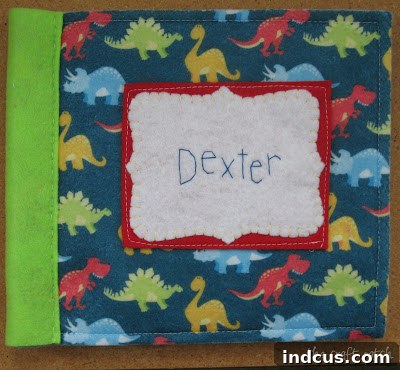
The holiday season, or any special occasion, often brings with it the delightful challenge of finding the perfect gift. This time, the inspiration struck for my beloved nephew – a handmade treasure that goes beyond typical store-bought toys. There’s something uniquely special about a gift crafted with love and intention, and for little ones, few things compare to the magic of a personalized quiet book. This isn’t just a book; it’s an adventure, a learning tool, and a cherished keepsake, all rolled into one.
An Unforgettable Handmade Gift: Crafting a Felt Quiet Book for Kids
In an age dominated by screens and mass-produced toys, a handmade felt quiet book stands out as a beacon of creativity, learning, and tactile engagement. These charming books, lovingly assembled from soft felt, are designed to captivate young minds and hands with a variety of interactive elements. Each page offers a new activity, from zipping and buttoning to matching shapes and exploring textures, providing endless opportunities for discovery and quiet play. For my nephew, this gift represents not just a present, but an invitation to a world where imagination flourishes and learning is an exciting hands-on journey.
The beauty of a felt quiet book lies in its ability to be completely customized. You can tailor themes, activities, and colors to a child’s specific interests and developmental stage. Whether they’re fascinated by animals, enchanted by fairy tales, or eager to learn their alphabet, a felt book can be designed to speak directly to their individual curiosities. This level of personalization transforms the book from a simple toy into a meaningful educational companion, making it an ideal gift for birthdays, holidays, or just because.
Why Choose a Handmade Felt Book? The Magic of Quiet Play
The appeal of a felt quiet book extends far beyond its charming aesthetics. These books are invaluable tools for child development, offering a multitude of benefits that support growth in various domains. Unlike many modern toys that dictate play through flashing lights and loud sounds, a quiet book encourages self-directed exploration and imaginative thinking. It provides a peaceful alternative, allowing children to focus, concentrate, and engage with activities at their own pace.
One of the primary advantages is the enhancement of fine motor skills. Activities like manipulating buttons, lacing strings, fastening zippers, and attaching Velcro pieces require precision and dexterity, strengthening the small muscles in a child’s hands and fingers. These are crucial skills for everyday tasks such as dressing themselves, writing, and drawing. Furthermore, the tactile nature of felt, combined with various textures and attachments, provides rich sensory input, stimulating a child’s sense of touch and promoting sensory integration.
The Educational Powerhouse: Benefits of Felt Quiet Books for Child Development
Beyond fine motor skills, felt quiet books are veritable powerhouses for early childhood education. They can be designed to teach a wide array of concepts in an engaging, hands-on manner:
- Cognitive Development: Matching games, puzzles, and sequencing activities embedded within the pages encourage problem-solving, critical thinking, and logical reasoning. Children learn to identify patterns, differentiate shapes and colors, and understand cause and effect.
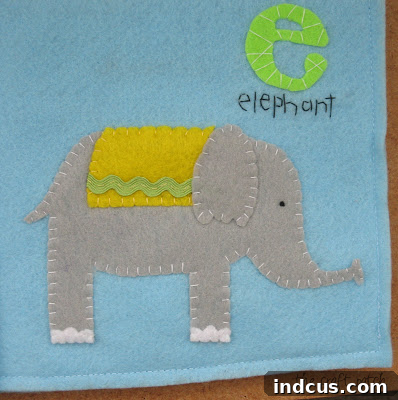
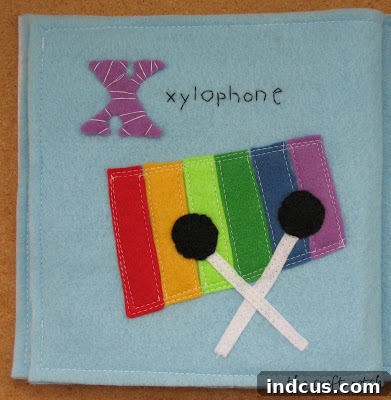
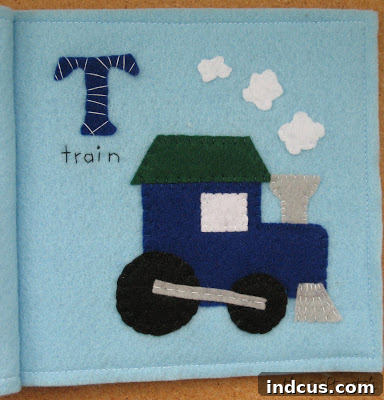
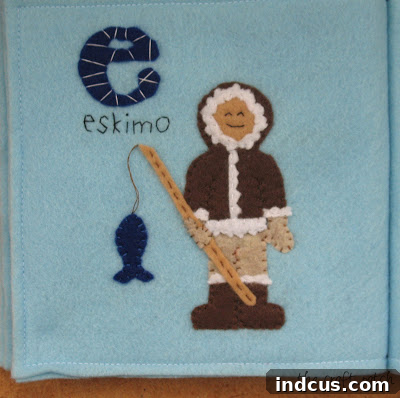
- Language and Literacy: Pages featuring the alphabet, numbers, or simple stories with movable characters can introduce early literacy concepts. Parents and caregivers can use the book to narrate stories, identify letters, count objects, and expand a child’s vocabulary through interactive dialogue.
- Sensory Exploration: The diverse textures of felt, combined with buttons, beads, ribbons, and other embellishments, provide a rich sensory experience. This multi-sensory engagement helps children better understand their environment and process sensory information, which is vital for learning.
- Practical Life Skills: Many quiet book activities mimic real-life tasks, such as buttoning a shirt, zipping a coat, or tying shoelaces. By practicing these skills in a safe, low-pressure environment, children gain independence and confidence in their abilities.
- Emotional Regulation: Quiet books provide a calming activity that can help children self-regulate. They offer a focused distraction during travel, doctor’s appointments, or times when a child needs a quiet moment to unwind, promoting concentration and peaceful engagement.
The handmade nature of these books also means they are incredibly durable and safe. Felt is a soft, non-toxic material, and when stitched securely, the pages can withstand years of enthusiastic play. This makes them a more sustainable and robust alternative to many plastic toys, designed to be passed down and enjoyed by future generations.
Designing Your Masterpiece: Themes and Interactive Elements
When embarking on your felt quiet book project, the possibilities for themes and interactive elements are virtually limitless. The key is to consider the age and interests of the child you’re crafting for. For younger children, simple concepts like shapes, colors, and basic animal recognition work wonderfully. As children grow, you can introduce more complex themes and activities:
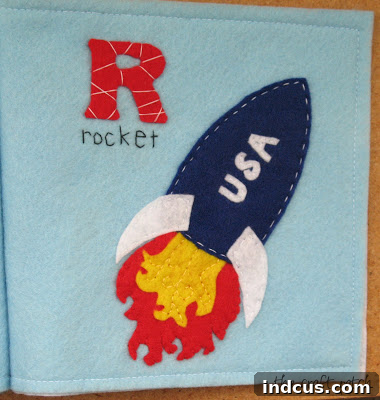
- Alphabet and Numbers: Pages dedicated to each letter or number, with corresponding objects that can be attached or removed, make learning fun and tangible.
- Animals and Nature: Farm animals, jungle creatures, or scenes from a garden with removable flowers and insects can inspire imaginative play and teach about the natural world.
- Daily Routines: Pages showing getting dressed, brushing teeth, or eating breakfast can help children understand and sequence their daily activities, promoting independence.
- Storytelling Scenes: Create simple backdrops with movable characters that children can use to invent their own narratives, fostering creativity and language skills.
- Practical Skills: Integrate pages with buttons, zippers, snaps, buckles, and shoelaces to practice dressing skills.
- Puzzles and Matching: Design pages with felt pieces that need to be matched by shape, color, or even texture, enhancing cognitive abilities.
Incorporating a variety of textures – smooth felt, bumpy buttons, soft faux fur, or crinkly fabric – adds another layer of sensory exploration. Bright, contrasting colors are also essential for capturing a child’s attention and stimulating visual development.
Essential Materials for Your Felt Book Project
Gathering the right materials is the first step towards creating your beautiful felt book. Fortunately, most items are readily available at craft stores:
- Felt: High-quality felt is key. Wool felt or a wool-blend felt offers superior durability and a softer feel compared to acrylic felt, though acrylic is more budget-friendly and comes in a vast array of colors. Choose a good range of colors to make your book visually appealing.
- Scissors: Sharp fabric scissors are a must for clean cuts, especially for intricate shapes.
- Needle and Thread/Embroidery Floss: For durability, most elements should be stitched. Embroidery floss adds a decorative touch and extra strength. Matching or contrasting thread colors can enhance the design.
- Fabric Glue: A good quality fabric glue can be helpful for temporarily holding pieces in place before stitching, or for attaching very small details.
- Interfacing/Stiffener (Optional): For pages that need extra rigidity, a thin layer of iron-on interfacing can be added between felt layers.
- Embellishments: This is where your creativity shines! Buttons (ensure they are securely attached for safety), zippers, snaps, velcro, ribbons, beads, small plastic rings, and even tiny toy eyes can bring your pages to life. Always consider child safety, especially for very young children; avoid small parts that could be choking hazards.
- Pattern Templates: While you can freehand designs, using templates for shapes, letters, and numbers ensures consistency and makes the process easier.
Step-by-Step: Crafting Your Felt Quiet Book (Overview)
While the detailed instructions for creating specific felt shapes and books are best found in dedicated tutorials, here’s a general overview of the process:
- Plan Your Pages: Sketch out your ideas for each page, considering the theme, activities, and colors. Decide on the number of pages and the overall size of your book.
- Cut Your Felt Pieces: Use your chosen templates or freehand designs to carefully cut out all the base pages and the individual elements for each activity.
- Assemble Page Elements: Begin by stitching or gluing the smaller decorative and interactive elements onto your individual felt pages. For instance, attach buttons, sew on zippers, create pockets, or secure Velcro pieces. Ensure all attachments are extremely secure, especially for young children.
- Embellish and Detail: Add any final touches like embroidered details, small beads (again, safety first!), or other small decorative elements that bring your page to life.
- Layer and Stitch Pages: Once all the individual page elements are complete, you’ll typically layer two felt pieces for each “page” of the book (front and back). Stitch these together around the edges, leaving one side open for binding.
- Bind the Book: There are several ways to bind felt books. You can punch holes along one edge of all the completed pages and bind them with ribbons, binder rings, or a simple hand-stitched binding technique. Another popular method is to sew all the pages directly together down the middle, like a traditional book.
Remember, the process is as much about the journey as the finished product. Embrace imperfections and enjoy the creative flow!
Personalizing Your Felt Creation: Making it Truly Special
The true magic of a handmade felt book lies in its ability to be deeply personal. This gift is a tangible representation of your thoughtfulness and love. Consider these ideas for personalization:
- Name Recognition: Dedicate a page to the child’s name, with individual felt letters that can be matched or attached. This helps with early name recognition and spelling.
- Favorite Characters: Incorporate elements from their favorite stories, cartoons, or animals. Does your nephew love dinosaurs? Create a prehistoric-themed page. Is your niece obsessed with mermaids? Design an underwater adventure.
- Age-Appropriate Challenges: Tailor the complexity of the activities to the child’s developmental stage. For a toddler, simple shape matching or lift-the-flap elements are perfect. For a preschooler, introduce counting, color sorting, or more intricate lacing.
- Family Photos: Integrate small, laminated photos of family members into a page, creating a “family tree” or a matching game with familiar faces.
- Special Occasion Theme: If it’s a birthday gift, you could include a “cake” page with removable candles. For Christmas, a page with ornaments to decorate a felt tree.
Every stitch, every chosen color, and every interactive element reflects a piece of your dedication, making the felt book not just a toy, but a cherished keepsake that tells a story of its own.
The Joy of Giving: A Gift That Lasts
Handmade gifts carry an intrinsic value that mass-produced items often lack. A felt quiet book is more than just a toy; it’s an investment in a child’s development, a source of quiet entertainment, and a testament to the love and effort poured into its creation. It encourages creativity, fosters independence, and provides a calming activity in a busy world. Watching a child engage with a quiet book, meticulously exploring each interactive element, is a reward in itself.
For my nephew, this Christmas present transcends the fleeting excitement of unwrapping a new toy. It’s a gift that will grow with him, offering new discoveries as his skills develop, and serving as a comforting presence during quiet moments. It’s a tangible reminder of thoughtful craftsmanship and the unique bond shared. If you’re looking for a truly meaningful and impactful gift for a child in your life, consider the wonderful world of DIY felt quiet books. The joy it brings, both to the maker and the recipient, is immeasurable.
Ready to Start Your Felt Book Journey? Explore These Resources!
Feeling inspired to create your own unique felt quiet book? Whether you’re a seasoned crafter or just starting, these resources offer excellent guidance and creative sparks to help you on your way. Dive in and discover the rewarding process of bringing a personalized felt book to life for a special child!