Enhance Your Home’s Charm: A Comprehensive Guide to Installing Window Box Planters and Choosing the Perfect Flowers
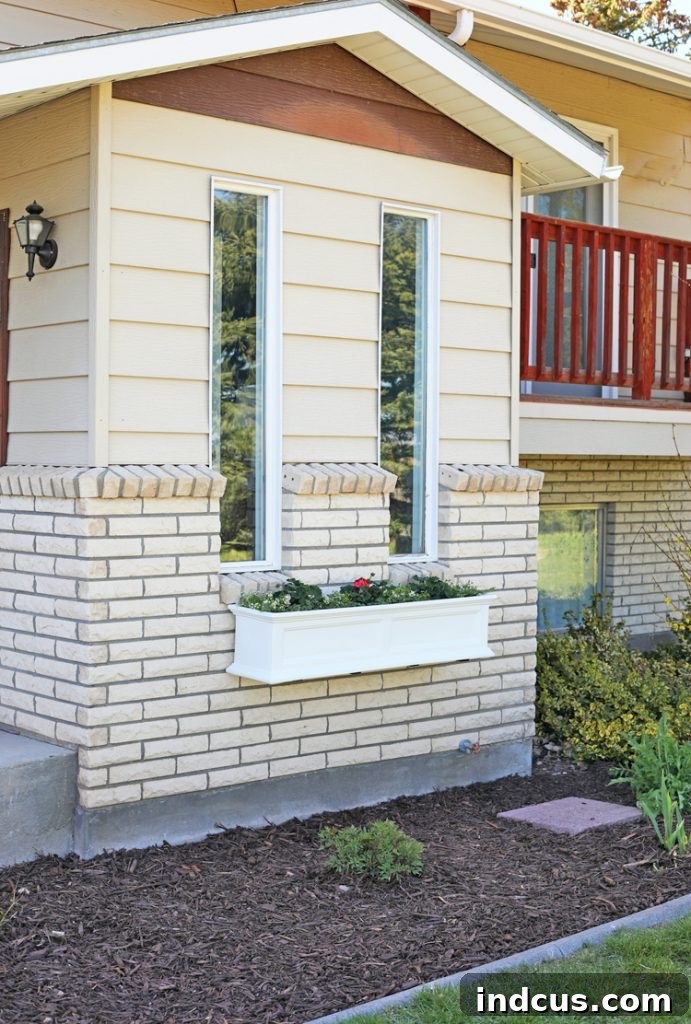
Transforming your home’s exterior into a welcoming and aesthetically pleasing space doesn’t require extensive renovations. Sometimes, the simplest additions can make the most profound impact. Enter the humble yet captivating window box planter. These charming containers, brimming with vibrant flora, instantly add a touch of personality, elegance, and curb appeal to any dwelling. Whether your home boasts a modern facade, a rustic farmhouse charm, or a classic brick exterior, a thoughtfully designed window box can elevate its visual appeal, making it stand out in the neighborhood. For years, I envisioned our home with the delightful addition of a window box, and I’m thrilled to share that this past week, that vision finally came to life.
The journey began with selecting the perfect window box. After considerable research, I opted for a 48-inch white vinyl window box from Wayfair. This particular model stood out due to its innovative self-watering feature, which includes a hidden reservoir at the bottom. This ingenious design significantly reduces the frequency of watering, a true blessing for busy homeowners or those prone to forgetting a daily watering schedule. The convenience of less frequent maintenance allows for more enjoyment of the beautiful display. This fantastic self-watering design is also available in versatile 36-inch and 60-inch lengths, alongside an array of appealing color options to complement any home’s palette. Wayfair offers an extensive collection of outdoor planters of various types, materials, and styles, making it an excellent resource for finding the ideal container for your specific needs and aesthetic preferences.
Step-by-Step Guide to Installing Your Window Box Planter
Installing a window box might seem like a daunting task, especially if you’re working with challenging materials like brick. However, with the right tools and a systematic approach, it’s a straightforward DIY project that yields incredibly rewarding results. Here’s a detailed guide to help you successfully mount your new window box, ensuring it’s secure and perfectly level.
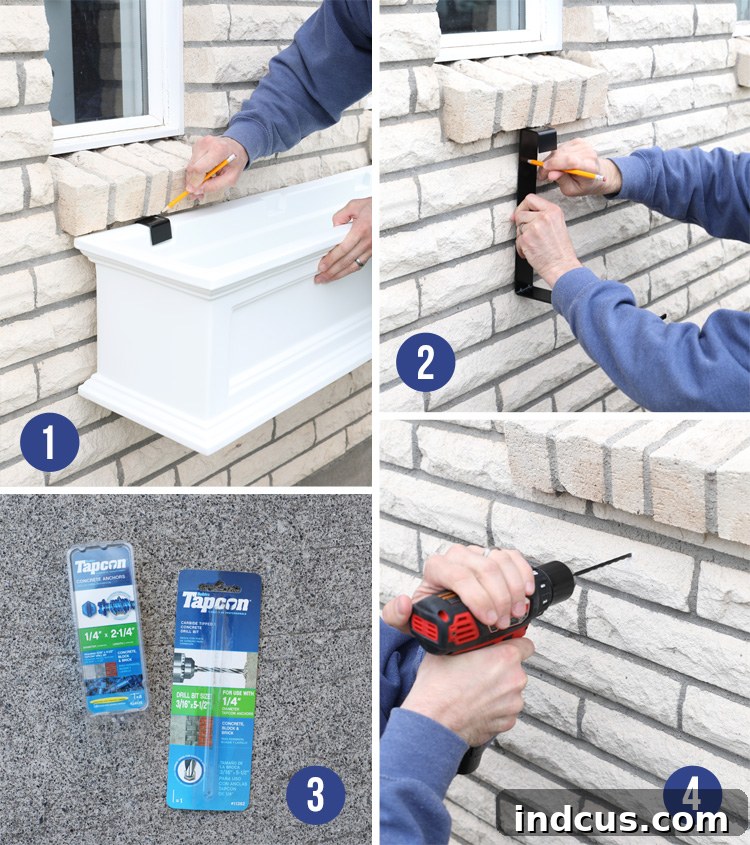
- Strategic Placement and Marking: Begin by holding your window box against the wall in your desired location. Consider factors like window height, visibility from inside and outside, and direct sunlight exposure. Once you’ve determined the ideal spot, carefully position the L-brackets that came with your window box. Using a pencil, accurately mark the exact points where the screws will go through the pre-drilled holes in the brackets. Ensure these marks are level to prevent a crooked installation.
- Precisely Marking Drill Holes: With the bracket positions established, re-confirm your marks. For each bracket, you’ll typically have two or three holes. Mark each one clearly. Accuracy at this stage is crucial for a secure and visually appealing installation.
- Specialized Tools for Brick Surfaces: If your home features a brick exterior, standard wood screws and drill bits will not suffice. You will need to purchase specialized masonry screws and a corresponding masonry drill bit. These are readily available at any local home improvement store. Ensure the masonry bit matches the size recommended for your screws.
- Careful Pre-Drilling: This step requires patience and precision. Attach the masonry bit to your drill. Holding the drill firmly and keeping it at a perfect 90-degree angle to the wall, carefully pre-drill the marked holes. It’s vital to drill straight to ensure the screws go in cleanly and securely. For brick, apply steady pressure and allow the drill to do the work.
- Attaching the Outer Brackets: Once the holes are drilled, position one of the L-brackets over its corresponding holes. Insert the masonry screws and tighten them securely using a screwdriver or a drill with a appropriate bit. Repeat this process for the other outermost bracket. These two brackets will serve as your primary anchors.
- Ensuring Level Placement for Center Brackets: With the two outer brackets firmly in place, use a level to determine the precise position for any center brackets. Place the level across the two installed brackets and then align the center bracket(s) accordingly, ensuring they are perfectly level with the outer ones. Mark and pre-drill the holes for these center brackets, and then attach them with masonry screws as you did with the outer ones. This meticulous leveling guarantees your window box will sit straight.
- Securing the Window Box: With all brackets securely mounted, carefully lift your window box and slip it onto the brackets. Most modern window boxes are designed to click or lock firmly into place, ensuring stability. Double-check that all connections are tight and the box feels stable and secure against the wall.
- Voilà! Your Window Box is Installed: Congratulations! You’ve successfully installed your window box. The structural work is complete, and now the truly fun part begins – filling it with a dazzling array of plants and flowers to create a captivating display.
Designing a Breathtaking Flower Display: The Thriller, Filler, and Spiller Formula
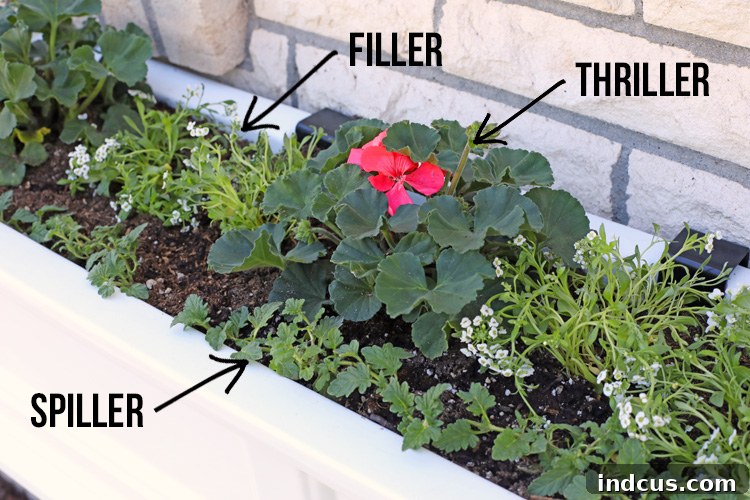
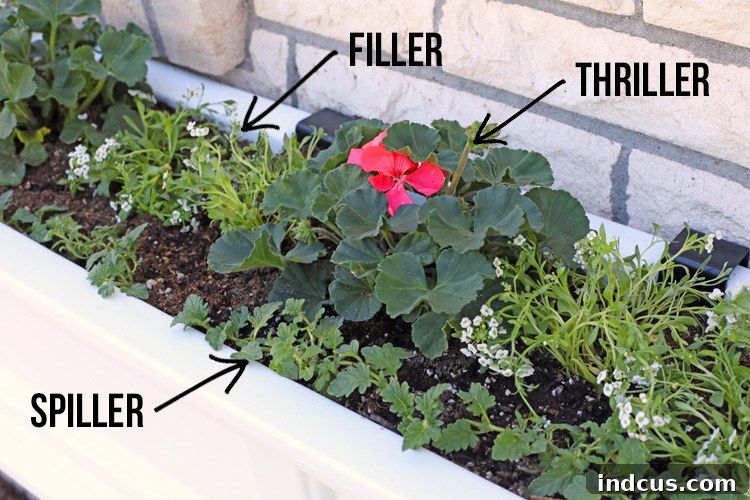
Now that your window box is securely mounted, the creative excitement shifts to what to plant inside. To achieve a professional, lush, and visually dynamic flower display, horticulturists and garden designers universally recommend employing the “Thriller, Filler, and Spiller” planting method. This tried-and-true formula ensures a harmonious blend of heights, textures, and forms, transforming your window box into a living work of art.
- Thrillers: These are the stars of your window box – the tallest, most dramatic plants that provide vertical interest and act as the focal point. Thrillers typically range in height from 12 to 18 inches, or even taller depending on the overall scale of your window box. They draw the eye upward and give your arrangement a sense of grandeur and structure. Place thrillers towards the back or center of the window box, depending on whether it’s viewed from one side or all around.
- Fillers: As their name suggests, fillers are the plants that occupy the mid-ground, surrounding and complementing the thrillers. They are generally shorter than thrillers, boasting smaller flowers or a mounding habit. Fillers are essential for creating a full, lush appearance, filling in any gaps, and providing a continuous carpet of color and foliage. They tie the taller thrillers to the trailing spillers, creating a seamless transition.
- Spillers: These are the cascading beauties that gracefully trail over the sides of your window box, adding a touch of romance, volume, and dynamic movement. Spillers soften the edges of the planter, making it appear to overflow with life and abundance. Their trailing habit creates a visual flow, connecting the vertical structure of your home to the vibrant display in the box.
By thoughtfully incorporating all three types of plants, you’re guaranteed to design a gorgeous, multi-dimensional planter that will be the envy of your neighborhood.
Best Flowers For Window Boxes: Curated Selections for Stunning Displays
Choosing the right plants is key to a flourishing window box. Below is an expanded list of popular and resilient options for each category, along with a few tips to guide your selection.
Thrillers: The Vertical Stars
These plants provide height and a dramatic focal point. Consider their mature size and sun requirements when planning your layout.
- Geraniums (Pelargonium): Classic and enduring, geraniums offer vibrant blooms in shades of red, pink, white, and purple. They are heat-tolerant and relatively low-maintenance, making them excellent thrillers for sunny locations.
- Snapdragons (Antirrhinum majus): Known for their unique, spire-like flowers, snapdragons add vertical interest and a touch of whimsy. They come in a wide range of colors and prefer cooler temperatures, often thriving in spring and fall.
- Dianthus (Dianthus chinensis): With their delicate, fringed petals and spicy fragrance, dianthus varieties can serve as elegant thrillers. They offer continuous blooms and generally prefer full sun.
- Bachelor’s Button (Centaurea cyanus): These charming, old-fashioned flowers produce striking blue, pink, or white blooms on slender stems, perfect for a cottage garden aesthetic.
- Calendula (Calendula officinalis): Also known as pot marigolds, calendulas offer cheerful orange and yellow blooms, providing a sunny disposition to any window box. They are easy to grow and can be quite prolific.
- Lobelia (Lobelia erinus): While some varieties are spillers, upright lobelia can create a bushy, vibrant blue or purple thriller effect, especially when massed.
- Begonia (Begonia spp.): Tuberous and fibrous begonias come in many forms, with upright varieties offering stunning foliage and long-lasting flowers, especially in shaded or partially shaded window boxes.
- Diascia (Diascia barberae): These delicate-looking but robust plants produce masses of small, vibrant flowers, often in shades of pink, orange, or white, adding a soft, upright texture.
- Godetia (Clarkia amoena): Also known as satin flower, godetia produces cup-shaped, silky flowers in an array of colors, providing a lush and elegant upright display.
- Coleus (Plectranthus scutellarioides): Valued for their incredibly diverse and colorful foliage rather than flowers, coleus varieties make striking thrillers, especially for shaded window boxes where they can provide year-round color.
- Impatiens (Impatiens walleriana): Famous for their bright, continuous blooms in shaded conditions, upright impatiens can be excellent thrillers, creating a cheerful burst of color.
- Canna Lily (Canna indica): For larger, more dramatic window boxes, dwarf Canna lilies offer bold tropical foliage and vibrant flowers, especially in full sun.
- Fuchsia (Fuchsia hybrida): Upright fuchsia varieties provide exotic, pendulous flowers, perfect for adding a unique touch, particularly in partial shade.
Fillers: The Heart of the Display
These plants create a lush, full look, bridging the gap between thrillers and spillers with their abundant foliage and mid-height blooms.
- Sweet Alyssum (Lobularia maritima): Producing a profusion of tiny, fragrant flowers, sweet alyssum forms a beautiful, delicate mound that spills slightly. It’s a fantastic choice for continuous blooms and a honey-like scent.
- Pansies/Violas (Viola wittrockiana/Viola cornuta): Ideal for cooler seasons, pansies and violas offer charming, expressive “faces” in a vast spectrum of colors, providing cheerful filler around your thrillers.
- Marigolds (Tagetes spp.): Bright and bold, marigolds are popular for their vibrant yellow, orange, and red blooms. They are hardy, drought-tolerant, and known for deterring pests, making them practical fillers for sunny boxes.
- Baby’s Breath (Gypsophila elegans): The delicate, airy clusters of baby’s breath add a soft, cloud-like texture and contrast beautifully with larger blooms.
- Texas Bluebonnet (Lupinus texensis): While native to Texas, various lupine species with their unique flower spikes can be used as distinctive fillers, offering striking blue or purple hues.
- Painted Tongue (Salpiglossis sinuata): These exquisite plants boast trumpet-shaped flowers with intricate veining, adding a touch of exotic elegance and vibrant color as a filler.
- Dusty Miller (Senecio cineraria): Valued for its striking silvery-grey, velvety foliage, Dusty Miller provides excellent textural contrast and brightens any arrangement, especially in full sun.
- Licorice Plant (Helichrysum petiolare): With its soft, silvery-green or variegated foliage, the licorice plant offers a beautiful mounding and slightly trailing habit, ideal for softening the edges of your fillers.
- Petunias (Petunia hybrida – mounding varieties): Beyond the trailing ‘Wave’ types, many mounding petunias offer prolific blooms and a wide color palette, making them excellent, sun-loving fillers.
- Salvia (Salvia splendens/Salvia farinacea): Various salvias provide upright spikes of red, blue, or purple flowers, attracting hummingbirds and offering continuous color in sunny spots.
- Begonia (Begonia semperflorens – wax begonias): These reliable, compact plants offer continuous blooms and glossy foliage, thriving in partial shade and providing consistent color.
- Verbena (Verbena bonariensis – shorter varieties): While many verbena varieties spill, some more upright, compact cultivars can be used as airy, colorful fillers.
Spillers: The Cascading Beauties
These plants trail gracefully over the sides of your window box, adding drama, volume, and a soft, overflowing effect.
- Verbena (Verbena hybrida – trailing varieties): Trailing verbenas produce clusters of small, colorful flowers (often purple, pink, red, or white) that cascade beautifully. They are heat-tolerant and bloom profusely.
- Sweet Potato Vine (Ipomoea batatas): Prized for its dramatic, colorful foliage (lime green, black, purple, or variegated), sweet potato vine is a vigorous grower that creates an abundant, lush spill.
- Vinca Vine (Catharanthus roseus or Vinca major): Offers glossy green or variegated leaves that trail elegantly. It’s hardy and provides a classic, verdant spill, with some varieties also offering delicate flowers.
- Wave Petunias (Petunia x hybrida ‘Wave’ series): Renowned for their incredible vigor and continuous bloom production, Wave Petunias create a stunning, colorful waterfall over the edge of the box. They are sun-lovers and require frequent feeding.
- Lantana (Lantana camara – trailing varieties): Trailing lantanas produce clusters of small, vibrant flowers that change color as they mature. They are extremely heat and drought tolerant, perfect for sunny locations.
- Calibrachoa (Calibrachoa hybrida – Million Bells): Similar to petunias but with smaller, bell-shaped flowers, calibrachoa offers an astounding profusion of blooms and a beautiful trailing habit, perfect for a continuous cascade of color.
- Bacopa (Sutera cordata): Delicate and airy, bacopa produces a continuous carpet of small white, pink, or purple flowers that trail gracefully, softening the edges of the box.
- Nasturtium (Tropaeolum majus – trailing varieties): Both the leaves and vibrant, peppery flowers of trailing nasturtiums are edible, making them a fun and unique spilling option, especially in cooler weather.
- California Bluebells (Phacelia campanularia): While less common, these delicate bluebell-like flowers can create a lovely, airy spill with their charming blue blooms.
- Creeping Zinnias (Sanvitalia procumbens): These cheerful plants produce masses of small, daisy-like yellow or orange flowers that trail beautifully, blooming tirelessly through the summer heat.
- Creeping Jenny (Lysimachia nummularia ‘Aurea’): Valued for its vibrant chartreuse-gold foliage that trails abundantly, Creeping Jenny adds a bright pop of color and texture, especially in containers that receive some shade.
- Lotus Vine (Lotus berthelotii): With its unique silver-gray, needle-like foliage and exotic orange-red “parrot’s beak” flowers, lotus vine creates a distinctive and eye-catching spill.
Maximizing Your Window Box’s Potential: Care and Design Tips
Beyond selecting the right plants, proper care and strategic planting techniques are crucial for a thriving, beautiful window box. For a deeper dive into specific plant care, remember that the Better Homes and Gardens Plant Encyclopedia is an excellent resource to learn about individual plant needs, growth habits, and ideal conditions. It’s invaluable for visualizing what each plant looks like and understanding its specific requirements.
One of the most important principles for stunning window boxes is to embrace the philosophy that MORE IS MORE. Unlike in-ground gardening where spacing is critical for air circulation and plant growth, window boxes thrive on abundance. Ignore the conservative spacing suggestions often found on plant tags. Instead, fill your window boxes generously! A densely planted box creates an immediate impact, looking lush, full, and overflowing with life. Sparse plantings, on the other hand, can appear scraggly and sad, diminishing the overall aesthetic you’re aiming for.
Watering: Even with a self-watering box like mine, regular monitoring is essential. The reservoir extends the time between waterings but doesn’t eliminate the need. For traditional window boxes, daily watering, especially during hot summer months, might be necessary. Check the soil moisture by sticking your finger about an inch deep; if it feels dry, it’s time to water. Ensure adequate drainage to prevent root rot, as soggy soil is a plant killer.
Fertilizing: Window boxes are contained environments, meaning nutrients in the soil are quickly depleted. Incorporate a slow-release granular fertilizer when planting, or feed regularly with a liquid fertilizer every 2-4 weeks throughout the growing season. This ensures your plants have the fuel they need to produce abundant blooms and lush foliage.
Deadheading and Pruning: To encourage continuous blooming and maintain a tidy appearance, make deadheading a routine task. Removing spent flowers prevents the plant from going to seed, prompting it to produce more blooms. Light pruning can also help maintain the shape of your thrillers and fillers, and encourage bushier growth for spillers.
Seasonal Interest: Don’t limit your window boxes to just summer blooms! With a little planning, you can create captivating displays year-round. In spring, fill them with pansies, violas, and early bulbs. For fall, incorporate mums, ornamental kale, and gourds. Even in winter, evergreen branches, pinecones, and red berries can provide festive cheer.
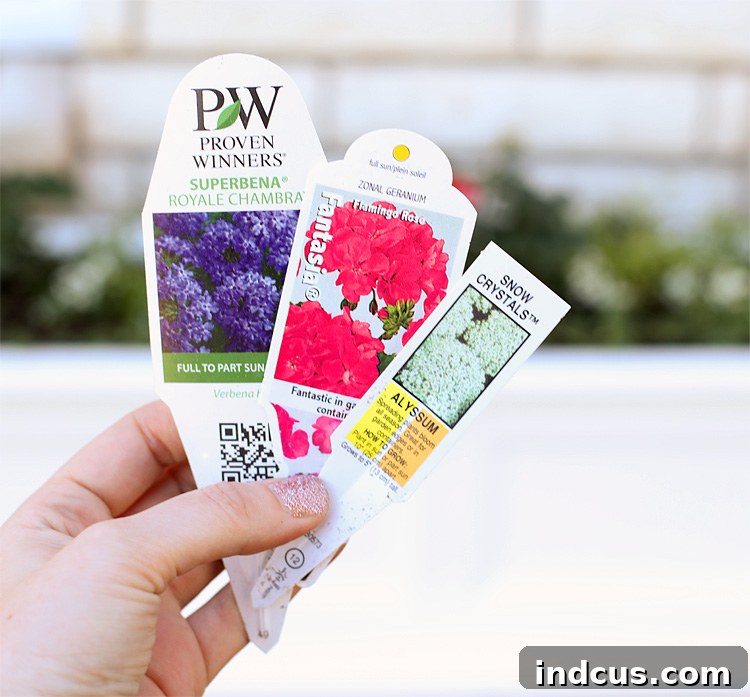
For my initial window box arrangement, I carefully selected plants that would thrive in our sun exposure and provide a classic yet vibrant look. My chosen thriller is the dependable Geranium, offering robust blooms and an upright structure. For the filler, I went with Sweet Alyssum, anticipating its delicate, fragrant clusters to soften the edges and fill the space beautifully. And finally, the charming Verbena serves as my spiller, promising a lovely cascade of color over the sides. While they may appear modest right now as young plants, I have no doubt that once they mature and fully settle into their new home, they will create an absolutely stunning and picturesque display.
Our home’s exterior is a long-term project, with a never-ending list of improvements on the horizon. The faded brown paint in the eaves is definitely due for an update, the balcony railing needs a fresh coat, and a new front door is high on the wish list. Beyond that, I dream of expanding the flower beds, replacing the two narrow slot windows with one expansive picture window, and eventually even re-siding the entire house and installing a new roof. The list goes on and on! However, it’s truly amazing to witness the immediate and significant transformation brought about by just a few relatively simple changes: installing the window box, diligently pulling weeds, and refreshing the existing flower beds with new bark. These “baby steps” make a tangible difference and provide immense motivation.
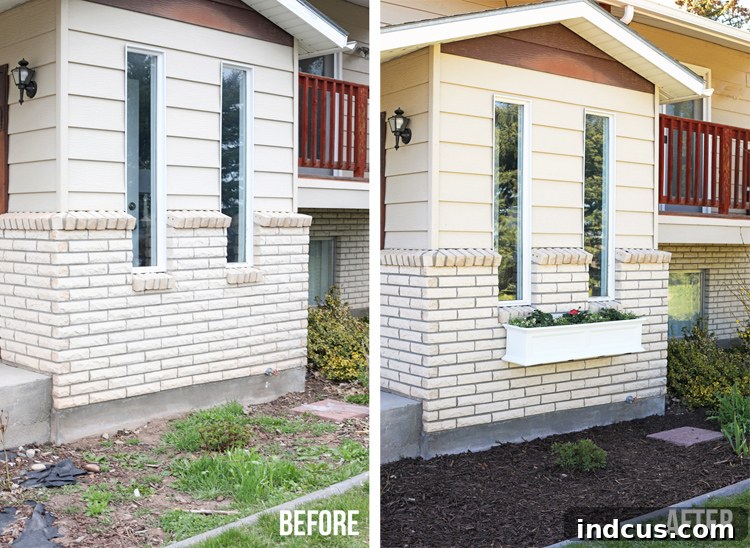
Every small enhancement brings us closer to our vision. We’ll get there someday, one charming detail at a time!
To help you plan your perfect window box, we’ve created a convenient resource. Click here to get afree printable listof thrillers, fillers, and spillers for window boxes. Happy planting!