Unlock Incredible Savings: Your Ultimate Guide to Discount “Oops” Paint for DIY Home Transformations
In the world of home renovation and interior design, paint is consistently hailed as the most impactful and budget-friendly way to revitalize a space. Yet, anyone who has recently ventured into a hardware store knows that the cost of quality paint can quickly escalate, turning a supposed economical update into a significant financial outlay. What if we revealed a transformative secret that allows you to achieve stunning, custom paint finishes for a mere fraction of the usual expense – sometimes saving as much as an incredible 86% off standard retail prices? Prepare to uncover the ultimate hack for budget-conscious DIY enthusiasts: the remarkable power of mistint, or “oops,” paint.
What Exactly is Mistint Paint? The Unsung Hero of Affordable DIY Projects
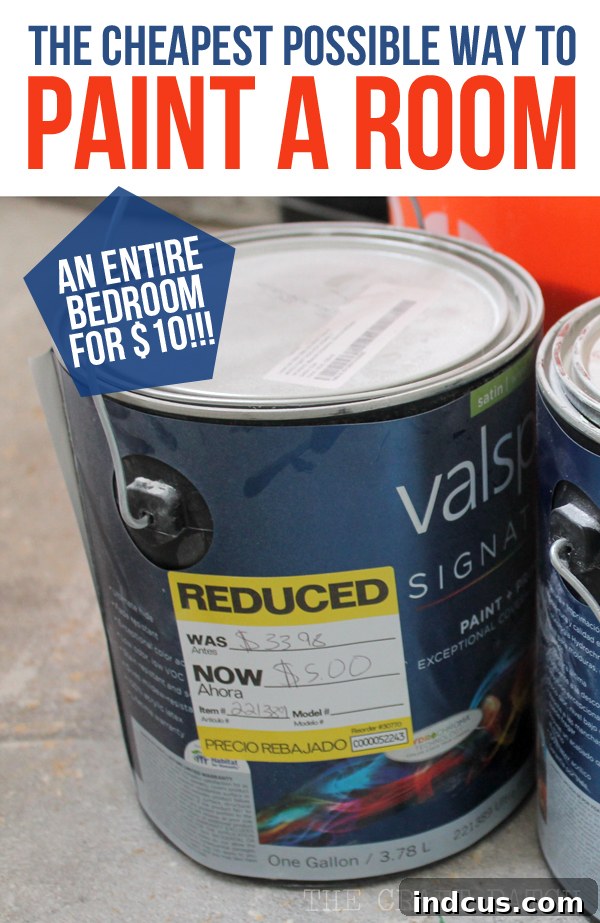
So, what exactly is this magical, money-saving substance that can drastically reduce your painting budget? Mistint paint, often affectionately dubbed “oops paint,” refers to brand-new, perfectly good paint that, for a variety of reasons, cannot be sold at its original full price. This scenario typically unfolds due to one of several common occurrences at the paint counter:
- Customer Dissatisfaction: A customer requests a specific color mix, but upon seeing the mixed shade, decides it’s not quite what they envisioned or simply changes their mind.
- Mixing Errors: A paint technician might make a slight miscalculation in the color formulation, resulting in a shade that doesn’t precisely match the intended sample swatch.
- Unclaimed Orders: A custom-mixed paint order is prepared for a customer, but for various reasons, it is never picked up from the store.
- Returned Paint: While less common for custom tints, sometimes unopened, untinted gallons of paint are returned and subsequently moved to a discount or clearance section.
The critical takeaway here is that these paints are of excellent quality, often from premium brands, and their only “flaw” is that they aren’t the exact color someone initially intended. Retailers such as Home Depot, Lowe’s, and even smaller independent hardware stores cannot resell these unique colors at their standard price. Consequently, they mark them down significantly – frequently by 70%, 80%, or even a staggering 90% or more! This makes them an invaluable resource for anyone looking to undertake a painting project on a tight budget.
Hunting for Hidden Treasures: Strategies for Finding the Best “Oops” Paint Deals
Locating mistint paint can feel like an exciting treasure hunt, but with a few smart strategies, you can become an expert at uncovering incredible deals. Here’s how to maximize your chances of scoring the perfect colors at unbeatable prices:
- Familiarize Yourself with Local Stores: Each hardware store has a designated area for its mistint paint. This could be an end-cap display, a specific shelf within the paint aisle, or sometimes even a less conspicuous spot near the customer service or returns desk. Don’t hesitate to ask the friendly paint counter staff where they keep their “oops” paints; they’re usually happy to point you in the right direction.
- Consistency is Key – Visit Frequently: The inventory of mistint paint is highly dynamic. What’s available today might be snapped up tomorrow, and new, exciting colors appear regularly. Make it a habit to quickly check the mistint shelf every time you find yourself near a hardware store, even if you don’t have a specific purchase in mind. A swift walk-in, a glance at the offerings, and a walk-out if nothing catches your eye takes less than five minutes and could potentially save you hundreds of dollars on future projects.
- Embrace Flexibility and an Open Mind: The biggest hurdle for many DIYers is the unpredictable nature of mistint colors. You won’t consistently find your precise shade of sage green or dove gray on demand. Instead of arriving with a rigid color scheme, cultivate flexibility. Think about the general *mood* or *tone* you want to create (e.g., “something cool and calming,” “a muted earthy shade,” “a vibrant accent”). This open-minded approach will broaden your options and make the hunt more rewarding.
- Consider Different Finishes: Mistints come in a variety of finishes – from flat and eggshell to satin and semi-gloss. While you might have a preferred finish for a particular room, a fantastic color at an unbeatable price might be worth making a slight compromise on the finish, especially for less-trafficked areas, ceilings, or furniture makeovers.
Beyond Limited Colors: The Art of Custom Paint Mixing for Unique Shades
A common concern when contemplating mistint paint is the perception of limited color and quantity. It’s rare to find multiple gallons of the exact same “oops” color, and painting an entire room often demands more than a single gallon. However, this perceived limitation is where the true brilliance and creativity of the mistint hack emerge: mixing various mistints and even leftover paints to concoct your own entirely bespoke, custom colors!
This approach isn’t merely about saving money; it transforms you into your very own color alchemist, empowering you to design unique shades that perfectly complement your home’s aesthetic. You can achieve depth, subtlety, and personality that off-the-shelf colors simply can’t offer, all while productively utilizing those half-empty cans of paint cluttering your garage.
Your DIY Paint Lab: The Custom Color Mixing Process Demystified
Ready to embark on your journey to creating custom, designer-quality shades? Here’s a comprehensive, step-by-step guide to mixing your own unique paint colors:
Step 1: Gather Your Essential Tools and Prioritize Safety
Before you begin the mixing process, ensure you have all the necessary equipment and take appropriate safety precautions:
- Large, Clean Mixing Buckets: A 5-gallon plastic bucket (like the Homer Bucket from Home Depot) or similar durable container is ideal for accommodating larger volumes of paint.
- Stirring Attachment for an Electric Drill: This tool is an absolute game-changer for achieving thorough, streak-free mixing. It ensures even distribution of pigments, which is crucial for a consistent finish.
- Accurate Measuring Tools: Use dedicated measuring cups (liquid measuring cups work well) or even old kitchen measuring spoons for precise ratios during the critical experimentation phase.
- Stir Sticks: Essential for initial stirring, scraping down the sides of containers, and making small adjustments.
- Sample Boards or Large Cardboard Pieces: These are indispensable for testing your mixed colors. You can also use large poster board or even an inconspicuous section of your wall.
- Personal Protective Equipment (PPE): Always wear gloves to protect your hands from paint, and safety glasses or goggles to shield your eyes from splashes, especially when using a drill mixer. Work in a well-ventilated area to minimize exposure to paint fumes.
Step 2: The Critical Experimentation Phase (Do NOT Skip This Step!)
Understanding how colors interact is a complex art. A color’s appearance can dramatically change when mixed, and even more so when dry on a wall compared to wet in a can. Therefore, always, *always*, *ALWAYS* experiment first on a small scale before committing to a large batch.
- Start with Small Batches: Using consistent, small measurements (e.g., 1 part of color A to 1 part of color B, or 1/4 cup of white paint to 1 tablespoon of an accent color), mix tiny batches of your desired combinations in separate, smaller containers.
- Test, Observe, and Dry: Paint several sample squares of each mixture onto your sample board or directly onto an inconspicuous section of the wall you plan to paint. Allow these samples to dry completely, as paint colors often undergo significant shifts in shade and depth as they cure. Observe the dried samples in various lighting conditions throughout the day – natural daylight, artificial light, morning, and evening – to see how the color truly behaves.
- Meticulously Document Your Ratios: Once you discover a custom color you adore, it is absolutely vital to meticulously record the exact ratios you used. This documentation is indispensable for scaling up to a full batch and, even more importantly, for future touch-ups. For example, your notes might read: “1 cup bright white, 1/4 cup mint green mistint, 1 teaspoon leftover black paint.”
- Embrace Color Theory Basics: Remember that adding white paint will lighten a color, but it can also subtly shift its undertone (making it cooler or warmer). Adding a tiny amount of black or a complementary color can mute a shade, adding sophistication. Don’t be afraid to experiment with small quantities of other leftover paints you have on hand to achieve the perfect depth, saturation, or hue.
Step 3: Scaling Up and The Art of Thorough Mixing
Once you’ve perfected your custom shade on a small scale and are confident in your ratios, it’s time to create your full batch for your project.
- Always Mix More Than You Need: This is arguably the most critical tip after the initial experimentation. Always mix at least 10-20% more paint than your calculations suggest you’ll need for the room. Running out of a custom-mixed color halfway through painting, or years later when you need to do a touch-up, is an absolute nightmare. It’s virtually impossible to recreate the exact same custom shade twice, so having extra is essential insurance.
- Carefully Pour and Combine: Following your perfected ratios, carefully pour your selected mistint paints and any leftover paints (such as a 2/3 gallon of cream or 12 oz of green paint) into your large mixing bucket.
- Utilize the Power of the Drill Mixer: Securely attach your stirring paddle to your electric drill. Immerse the paddle fully into the paint. Begin mixing thoroughly for a minimum of five minutes, ensuring the paddle reaches both the bottom and sides of the bucket to incorporate all pigments. Stop, use a stir stick to scrape down any unmixed paint from the sides and bottom, and then continue mixing for another five minutes. This rigorous mixing ensures all pigments are fully incorporated, preventing streaky or uneven paint application on your walls.
- Verify Consistency: After mixing, slowly lift the paddle from the paint. The paint should pour off in a smooth, continuous stream, exhibiting no visible streaks, swirls, or variations in color. If you see any inconsistencies, continue mixing.
Crucial Paint Compatibility Warning!
Under no circumstances should you EVER mix latex (water-based) paint with oil-based paint. These two types of paint are chemically incompatible and will not properly combine. Attempting to mix them will result in a clumpy, separated, unusable mess that will be frustrating to deal with and impossible to clean up properly. Always check the labels on your paint cans to confirm you are exclusively mixing latex with latex (or oil with oil, if that’s your chosen base, though mistints are predominantly latex).
Inspiring Transformations: Real-World Examples and Creative Applications
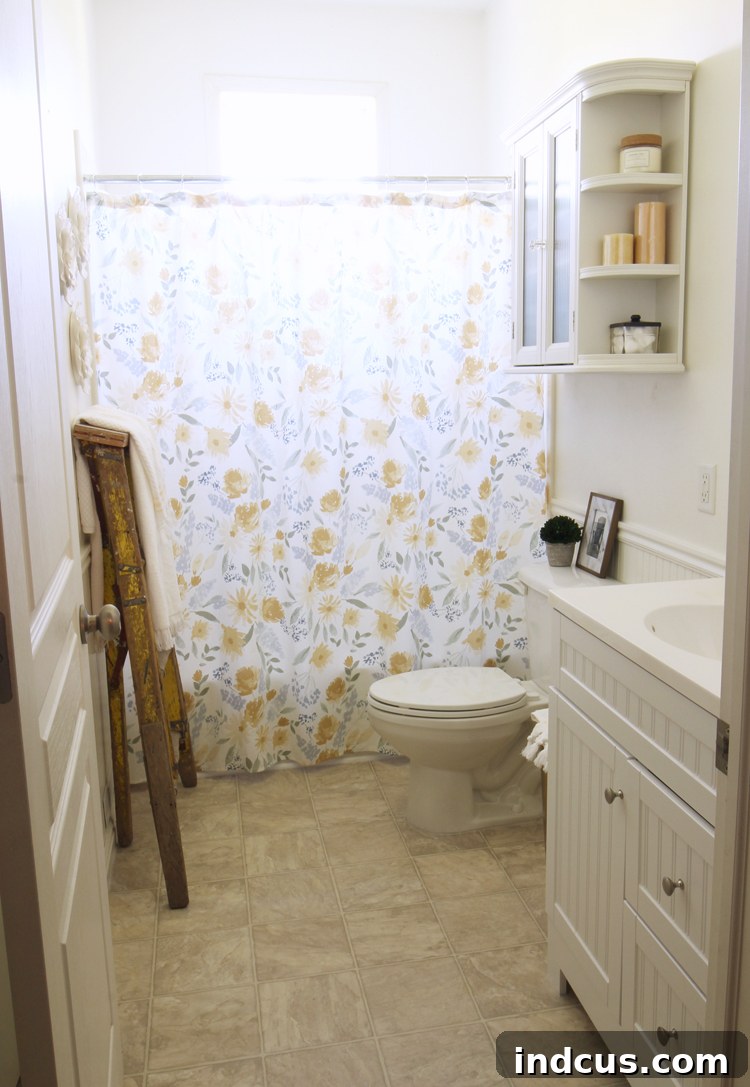
The true testament to this budget-friendly hack lies in the beautiful, bespoke results it yields. Consider the following project as a compelling example:
This serene, sophisticated gray hue, which now provides a calming backdrop in a transformed bathroom, began its life as a humble $5 mistint – originally a light peachy-tan color that had found no takers. Through careful experimentation and the strategic addition of a small amount of leftover black paint, a truly custom and utterly calming shade was brought to life, perfectly illustrating the profound transformative power of “oops” paint.
Beyond whole rooms, this versatile technique has been successfully applied to create a vibrant, inspiring color for a craft room, turning a previously bland space into a hub of creativity. Similarly, a long, often-overlooked hallway was given a fresh, welcoming feel, demonstrating that every corner of your home can benefit from a personalized, custom touch without the exorbitant price tag.
Mistint paint isn’t solely confined to painting entire rooms. Consider its diverse applications for:
- Striking Accent Walls: Introduce a captivating pop of custom color to a single feature wall, instantly adding depth and character.
- Furniture Revitalization: Breathe new life into old dressers, chairs, coffee tables, or cabinets with a fresh, unique, and personalized painted finish.
- Creative Upcycling Projects: Transform ordinary items like picture frames, plant pots, vases, or other decorative accessories into bespoke pieces.
- Outdoor Decor Enhancements: Paint garden benches, birdhouses, window boxes, or planters (ensuring the paint selected is suitable and durable for exterior use).
Beyond Retailers: Exploring Other Sources for Discount Paint
While mainstream hardware stores are excellent primary locations for finding mistints, other avenues can also provide discounted paint options:
- Habitat for Humanity ReStore: These non-profit home improvement stores sell donated new and gently used building materials, furniture, and home goods at significantly discounted prices. They frequently have a selection of paint, including full gallons for around $10. While the inventory can be “hit or miss,” ReStore is an excellent place to find smaller quantities of interesting colors that can be used as tints to modify your larger mistint purchases.
- Local Paint Recycling Programs and Swap Shops: Many cities and counties operate paint recycling or swap programs. These initiatives allow residents to donate leftover paint from their projects and, in turn, pick up paint for their own use at little to no cost. Check with your local waste management services or municipal government website for details on programs in your area.
- Online Marketplaces: Websites like Craigslist or Facebook Marketplace sometimes feature individuals selling leftover paint from their completed projects. Exercise caution, verify the paint’s condition and quantity, and arrange for safe pickup if you choose this route.
Is Mistint Paint the Right Choice for You? Weighing the Pros and Cons
Embracing the mistint paint approach is undeniably an adventurous path to home décor, offering substantial advantages but also requiring a certain mindset and level of commitment.
Pros:
- Unbeatable Cost Savings: This is the most compelling advantage. Reducing your paint expenses by 70-86% makes ambitious painting projects far more attainable and budget-friendly.
- Unique, Custom Colors: You gain the satisfaction and creative freedom of designing a truly one-of-a-kind shade that perfectly complements your home and reflects your personal style, ensuring your space stands out.
- Environmentally Friendly: By repurposing perfectly good paint that would otherwise go to waste, you’re contributing to a more sustainable approach to home improvement.
- Engaging Creative Challenge: The process fosters a rewarding sense of accomplishment and creative satisfaction from mixing and bringing your own colors to life.
Cons:
- Unpredictable Availability: You cannot rely on finding a specific color, finish, or brand on demand. This method requires patience and flexibility.
- Requires Experimentation and Time: The process demands a willingness to test, adjust, and patiently wait for samples to dry, which takes more time and effort than simply picking a can off the shelf.
- Potential for Undesired Outcome: While minimized significantly by thorough testing, there’s always a slight inherent risk that the final color might not be exactly what you envisioned or that you might miscalculate a ratio.
- Not Ideal for Strict Color Matching: If you need to match an existing color precisely or adhere to a very rigid, pre-determined color scheme, this method’s unpredictability might be too challenging.
Final Thoughts: Embrace the Creative Adventure!
Indeed, adopting the mistint approach to painting undeniably requires a healthy dash of bravery and a willingness to step outside your comfort zone. You might not always know the exact color you’ll end up with from the outset, but that very unpredictability is often a significant part of the fun and discovery! For the sheer, undeniable price difference and the immense satisfaction of creating something genuinely unique and personal for your home, this is a DIY hack that is unequivocally well worth embracing.
So, the very next time you find yourself contemplating a home refresh or a complete room makeover, consider bypassing the expensive custom mixes and head straight for the “oops” paint shelf at your local hardware store. You might just uncover your next favorite color – and save a considerable fortune in the process!
Have you ever purchased mistint paint or embarked on the exciting journey of mixing your own custom shades? We’d love to hear about your experiences, successes, and valuable tips in the comments section below!