Your Ultimate Guide to Crafting Fabric Face Masks: Protect Yourself, Your Family, and Essential Workers
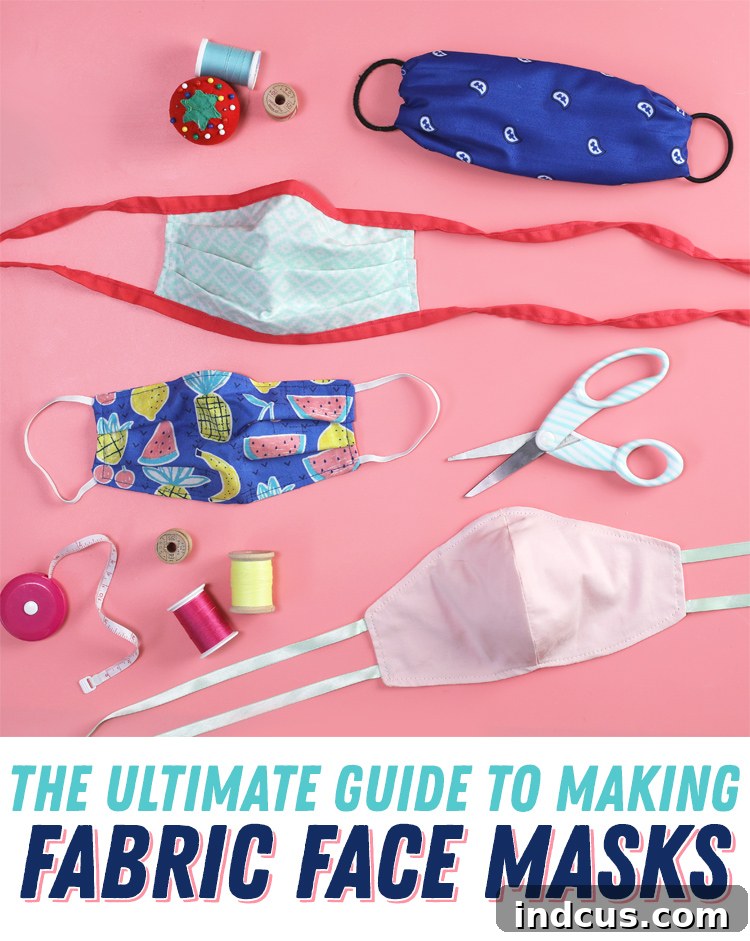
In challenging times, community spirit and practical skills can make a significant difference. As the global demand for personal protective equipment (PPE) surged, a critical shortage of medical-grade face masks emerged, leaving healthcare professionals vulnerable and the public searching for ways to contribute. If you possess sewing skills or are simply eager to help, crafting fabric face masks is a powerful way to support your local hospitals, essential workers, and protect your own family.
This comprehensive guide is designed to empower you with all the information you need to create effective, comfortable, and donation-worthy fabric face masks. From selecting the right materials to detailed patterns and crucial advice from healthcare frontline workers, we’ve got you covered. Your efforts, no matter how small, contribute to a collective shield against health crises.
The Vital Role of Fabric Face Masks in Public Health
It’s crucial to understand that fabric face masks are not a substitute for medical-grade N95 respirators or surgical masks. These specialized masks are designed for healthcare professionals who are in direct contact with affected patients and need the highest level of protection. However, due to severe shortages, many hospitals are now utilizing fabric masks in non-critical areas, or as a layer over medical masks to extend their lifespan.
Furthermore, leading health organizations, including the Centers for Disease Control and Prevention (CDC), now recommend that the general public wear cloth face coverings when venturing out for essential errands like grocery shopping or pharmacy visits. This measure helps prevent the spread of respiratory droplets from asymptomatic individuals, thereby reducing community transmission. By making and wearing fabric face masks, you are actively participating in protecting your community and conserving precious medical supplies for those who need them most.
When creating a cloth face covering, it’s important to adhere to specific guidelines to maximize its effectiveness. The CDC outlines key requirements:
- Secure Fit: The mask should fit snugly yet comfortably against the sides of the face. A good fit minimizes gaps through which respiratory droplets can escape or enter.
- Attachment Method: It must be secured with ties that go around the head or ear loops for ease of wear and removal.
- Multiple Layers: The mask should incorporate multiple layers of fabric. Two to three layers of tightly woven cotton are generally recommended for optimal filtration and breathability.
- Unrestricted Breathing: The material and design must allow for breathing without restriction. This is paramount for sustained wear, especially for vulnerable populations or during physical activity.
- Washable and Reusable: For public use and hospital donation, masks must be washable and reusable to maintain hygiene and sustainability.
Insights from the Front Lines: Optimizing Mask Design for Healthcare Workers
Feedback from healthcare professionals is invaluable in designing masks that are truly helpful. A friend, whose husband works in an emergency room, shared critical insights after donating a batch of handmade masks. These points highlight practical considerations often overlooked in basic patterns:
“My husband received his first batch of handmade face masks at the ER yesterday, and the impact was immediate. Not only are they helpful in addressing the shortage, but they also significantly boost morale, reminding staff they’re not facing this crisis alone. However, here are some critical observations for anyone making masks to donate:
1. Increased Vertical Coverage: Masks need to be slightly wider (or taller vertically!) to ensure they can comfortably cover the face from above the nose down to below the chin. This broader coverage is essential for effective protection during long shifts.
2. Varied Sizing is Key: A one-size-fits-all approach is insufficient. Medical staff have diverse facial structures. While some masks fit perfectly, larger individuals (like my husband) need bigger sizes, and many nurses have smaller faces. If possible, consider scaling your patterns up and down to produce small, medium, and large sizes. This variety ensures that every healthcare worker can find a mask that offers a proper seal.
3. Ties Over Ear Loops: The masks he initially received used elastic ear loops, which, unfortunately, have significant fit limitations and can cause discomfort over extended periods. Masks with ties that secure behind the head are vastly preferred. They are far more adjustable, accommodating a wider range of head sizes and shapes, and significantly more comfortable for long hours of wear.
Ultimately, a poor fit renders a mask ineffective. Your efforts are immensely appreciated! In many facilities, staff are allocated only one disposable mask per day. My husband’s mask often stretches and becomes useless within three hours (especially when worn over an N95). Handmade, washable masks are excellent replacements for these scenarios, provided they can be reused after proper sanitization.”
This feedback underscores the importance of adjustable and comfortable designs. While many patterns are standardized at around 6″x9″, incorporating varied sizing and tie-back options will make your donations far more impactful and appreciated by those on the front lines.
Preparing for Your Mask-Making Journey: Donation and Logistics
Before you embark on your mask-making project, especially if your intention is to donate, some preliminary steps are crucial:
1. Contact Your Local Hospital or Facility: Always call your local hospital, nursing home, or essential worker facility first. Inquire about their specific needs, whether they are accepting fabric mask donations, and if they have any particular patterns, material requirements, or drop-off procedures. Requirements can vary greatly between institutions.
2. Resources for Donation: Several organizations and communities have compiled lists to help connect mask makers with facilities in need. For instance, PHD students from the UC Berkeley School of Public Health have created and frequently update a list of hospitals accepting homemade mask donations, organized by state. This is an excellent starting point for finding a local recipient.
3. Support from Craft Retailers: Many craft stores have stepped up to support mask-making efforts. JOANN Stores, for example, have initiatives to donate supplies and provide workspace for mask makers. Similarly, Michaels Stores have created a dedicated DIY face mask landing page offering tutorials, links to supplies, and valuable information to guide your efforts.
4. Don’t Forget Ear Savers! Many healthcare professionals experience significant discomfort and chafing behind their ears from prolonged mask elastic wear. Simple DIY ear savers (often made from fabric scraps or plastic) can alleviate this pain by providing a hook for elastic bands, allowing them to rest away from the ears. These are incredibly thoughtful items to donate alongside your fabric masks.
MATERIALS NEEDED FOR EFFECTIVE FABRIC FACE MASKS
Choosing the Right Fabric for Your Face Mask
The choice of fabric is paramount for both filtration and breathability. For homemade face masks, the gold standard is high-quality, tightly woven 100% cotton material. Quilter’s cotton is an excellent choice due to its dense weave and durability. If you don’t have specialized fabric on hand, don’t worry! Many common household items can be repurposed:
- Tightly Woven Cotton T-shirts: Look for heavier weight cotton tees.
- Cotton Pillowcases or Sheets: Ensure they are 100% cotton and not microfiber blends, which may not offer the same filtration.
- Bandanas: Often made from cotton, but check the weave for tightness.
- Cotton Handkerchiefs: Similar to bandanas, good for layering.
- Cotton Flour Sack Towels: These are typically very tightly woven and durable.
The goal is to use material that is dense enough to trap particles but still allows for comfortable breathing. A simple test: hold the fabric up to a bright light. If you can clearly see the individual fibers and a lot of light passes through, it might be too thin. Multiple layers will enhance protection, regardless.
Adding a Flexible Nose Wire for Enhanced Fit and Comfort
A flexible nose wire is a game-changer for mask effectiveness and comfort. It allows the mask to mold precisely to the bridge of the nose, eliminating gaps that can compromise protection and cause glasses to fog up. This improved seal significantly increases the mask’s overall efficacy. Here are suitable materials you can use:
- Twist Ties: From bread bags or trash bags, often plastic-coated metal.
- Florist Wire: Available at craft stores, durable and bendable.
- Chenille Stems (AKA Pipe Cleaners): Can be folded for extra rigidity.
- Lightweight Jewelry Wire: Ensure it’s not too sharp or prone to poking through fabric.
If you’ve already sewn masks and wish to add a nose wire, you can easily whipstitch a piece of pipe cleaner or florist wire right onto the top edge of the mask, creating a channel. It might not be the prettiest finish, but it’s incredibly effective:
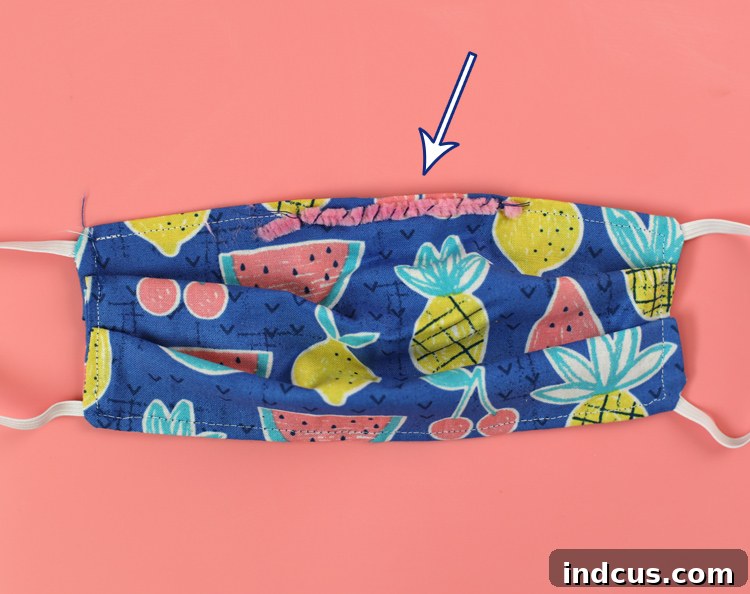
While aesthetics are secondary to function, this simple addition dramatically improves the mask’s seal and wearability.
Do I Need to Add a Filter to My Fabric Face Mask?
The short answer for general public use is: not necessarily. Studies have shown that two layers of tightly woven 100% cotton fabric can be approximately 74% effective at filtering airborne particles. For essential errands and daily wear by the public, most scientists and health experts agree that multiple layers of cotton provide sufficient protection when combined with social distancing. [Source]
The primary focus should be on the fabric quality and, crucially, the fit of the mask rather than relying heavily on additional filter materials. A well-fitting, multi-layered cotton mask that seals properly around the face is more effective than a poorly fitting mask with a “filter.”
Exploring Filter Material Options (If You Choose to Include One)
While not essential, some individuals prefer to add an extra layer of filtration to their fabric masks. If you decide to include a filter pocket or sew in a filter, here’s a look at common materials and their characteristics:
- Pellon Interfacing: Often recommended by pattern makers, but can be difficult to breathe through and quickly sold out in many stores. Look for non-fusible, lightweight options.
- Coffee Filters: Readily available and inexpensive. However, they can be surprisingly difficult to breathe through and may degrade quickly when wet.
- Vacuum Bag HEPA Filters: While seemingly effective, these are generally not recommended due to breathability issues and the potential presence of fiberglass or other chemicals that are not safe for inhalation.
- Quilter’s Batting: Offers some thickness but can be very hot to wear, potentially causing discomfort and increased humidity inside the mask.
- HVAC System Filters: Easily accessible at hardware stores, but manufacturers explicitly state that these filters are not designed or safe for use in face masks due to potential irritants and inability to confirm safe breathing properties. [source]
- Reusable Shopping Bags or Oly-fun Fabric: Some types of polypropylene non-woven fabric (like Oly-fun) have been suggested. They are often widely available, inexpensive, and offer reasonable breathability, but filtration effectiveness can vary.
- Paper Towels: While easy to insert, paper towels are not found to be particularly effective in filtration and tend to disintegrate quickly with moisture.
Conclusion on Filters: As reiterated, two layers of high-quality, tightly woven cotton material are generally considered sufficient for the general public. Prioritizing a snug and comfortable fit is more critical to the mask’s overall effectiveness than the inclusion of a specialized filter material. Focus on durable, washable cotton construction for maximum utility.
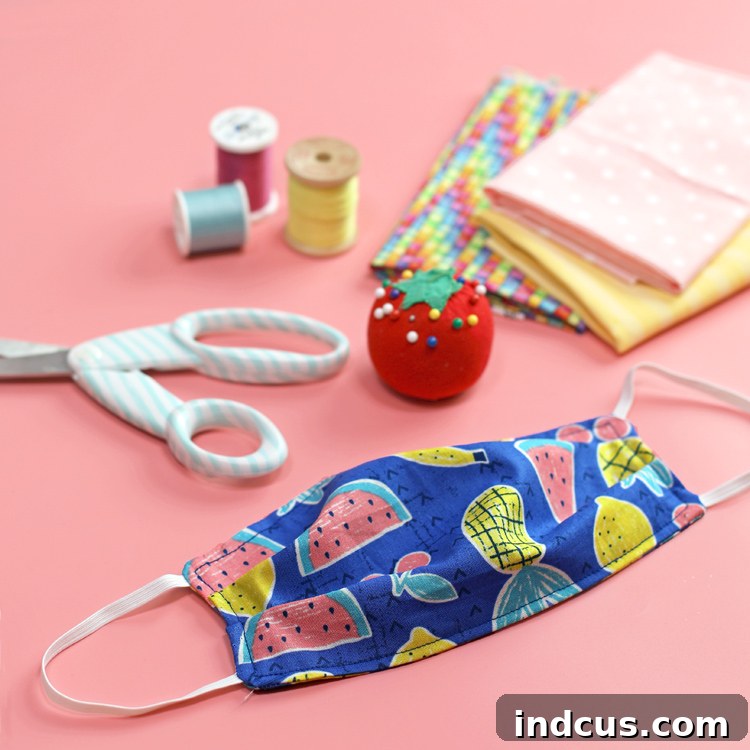
To help visualize the different mask styles and understand how they fit and look when worn, consider watching this insightful video:
FABRIC FACE MASK TUTORIALS AND PATTERNS: A Comprehensive Collection
Whether you’re a seasoned seamstress or a novice looking to contribute, there’s a pattern here for you. Each tutorial offers unique advantages in design, comfort, and ease of construction. Click on any of the numbered titles below to access the full instructions and start crafting your masks.
Fabric Face Masks with Elastic Ear Loops
Elastic ear loops offer a quick and convenient way to don and doff a mask. While they may offer less adjustability than ties, they are popular for everyday use due to their simplicity.
-
Basic Pleated Face Mask with Elastic Loops
This pattern represents one of the most fundamental and widely used designs for fabric masks. Featuring a simple pleated structure and two elastic loops that slip over the ears, it’s an excellent starting point for beginner sewists. The tutorial often includes a helpful video walkthrough for every step. For improved coverage and a better seal, consider adding an extra inch or two to the mask’s dimensions, particularly for adult sizes.
-
Center Seam Shaped Face Mask
Moving beyond the basic pleated style, this mask features a central seam that gives it an ergonomic, contoured shape designed to fit comfortably over the nose and chin. It includes side elastic ear loops and often incorporates a discreet pocket for an optional filter insert, should you choose to add one. This pattern is particularly versatile, with multiple sizing options tailored for both children and adults, ensuring a better fit for a diverse range of wearers.
-
Detailed Face Mask Picture Tutorial with Trim
This design stands out with its contrasting trim along the two outer edges, providing a neat, finished appearance that also helps to secure the elastic firmly. The tutorial is renowned for its clear, step-by-step photographs, making it easy to follow even for those with moderate sewing experience. The trim can add a touch of personal style while enhancing the mask’s structural integrity.
-
Video Tutorial: Basic Pleated Mask
Similar to the first basic pleated mask, this resource offers a comprehensive YouTube video tutorial. Sometimes, seeing the process visually explained in a different way can clarify steps and techniques, making it easier for visual learners or those who prefer to follow along with spoken instructions. This is a great alternative if you found other written instructions challenging.
-
Star Wars Themed Face Mask
For those looking to add a touch of creativity and fun during stressful times, this pattern allows you to craft a mask inspired by iconic pop culture, specifically designed to resemble a Stormtrooper. It’s a fantastic way to personalize your mask, lift spirits, and showcase your unique style while staying protected. Why not bring some joy into your mask-wearing routine?
Fabric Face Masks with Ties
Masks with fabric ties are often preferred by healthcare workers for their superior adjustability and comfort during long shifts, as they distribute pressure more evenly around the head rather than on the ears.
-
Nurse-Designed Medical Face Mask with Ties
This practical pattern was specifically developed by a nurse, focusing on functionality and comfort for prolonged wear. It thoughtfully eliminates the need for elastic, utilizing fabric ties instead. Healthcare professionals often express a preference for tie masks due to their enhanced adjustability and significantly greater comfort over extended periods compared to elastic ear loops. The provided resource includes a free printable pattern along with clear, concise instructions, making it an excellent choice for donation.
-
Face Mask with Flexible Nose and Bias Tape Ties
Considered one of the most comfortable and adaptable designs for healthcare workers, this mask integrates a bendable wire piece across the nose bridge. This feature allows for a custom, secure fit, effectively reducing air gaps and preventing glasses from fogging. The use of bias tape ties further enhances fit customization, ensuring the mask stays comfortably in place for many hours. This design prioritizes both protection and wearer comfort.
-
Cricut-Optimized Face Mask
For those who own a Cricut Maker, this pattern offers a significant time-saving advantage. It is specifically designed to leverage the precision and speed of your Cricut machine to accurately cut out all the fabric pattern pieces. This allows for efficient batch production of masks, making it ideal for large-scale donation efforts or quickly outfitting an entire family.
-
Face Mask with Filter Pocket and Fabric Ties
This versatile mask tutorial and accompanying pattern are designed with both flexibility and protection in mind. It features a convenient internal pocket, allowing for the optional insertion of a filter material for an extra layer of protection. Crucially, it utilizes comfortable fabric ties instead of elastic, addressing common discomfort issues. Even without an added filter, the completed design results in a robust three-layer mask, offering substantial coverage.
No-Sew Face Mask Tutorials: Quick and Accessible
For individuals without a sewing machine or sewing skills, no-sew mask options provide a quick and accessible way to create a cloth face covering using common household items.
-
No-Sew Bandana Face Mask (Video Tutorial)
If sewing isn’t your forte, this video tutorial offers an ingenious solution using just a bandana and hot glue. This method efficiently creates a functional face mask that surprisingly includes both a filter pocket and a flexible wire nose piece, ensuring both convenience and an improved fit without a single stitch.
-
No-Sew T-Shirt Face Mask (Simple Cuts)
Transforming a common t-shirt into a face mask can be done with just a few strategic cuts of the scissors. This method is incredibly simple, requiring no adhesive or sewing, and utilizes the fabric’s natural stretch to create ear loops. It’s a truly brilliant and straightforward approach for immediate needs.
-
T-Shirt Face Mask with Hair Ties
Another clever no-sew option involves repurposing a t-shirt by using safety pins and hair elastics to create a secure and functional mask. This method provides an alternative to cutting the fabric for loops, offering a slightly different fit and construction while remaining entirely stitch-free.
Fabric Face Masks for Children: Special Considerations
When making masks for children, safety is paramount. I strongly advise against using any filter material for children, as they may not be adequately aware of their oxygen intake or capable of communicating discomfort. Additionally, public outings with children should be limited to absolutely unavoidable circumstances.
While most adult mask patterns can be re-sized, it’s often better to use patterns specifically designed for children to ensure a safe and comfortable fit. Here are some patterns tailored for younger wearers:
-
Child-Sized Fitted Olson Mask
This is a child-specific version of the widely recognized Olson Face Mask pattern. It features a fitted, contoured shape that provides excellent coverage for children’s faces. Designed with elastic ties, it aims for a secure yet comfortable fit, making it a reliable choice for younger wearers.
-
Gathered Sides Child Face Mask
Appropriately sized for a child’s delicate features, this mask features gathered sides that create a gentle contour. It utilizes soft corded elastic for the ear loops, which is designed to be gentler on small ears compared to standard elastic, enhancing comfort during wear.
————————-
With this extensive collection of fabric face mask tutorials, you have numerous options to choose from, catering to different skill levels and design preferences. Your contribution, whether it’s making a single mask for personal use or hundreds for donation, truly makes a difference.
Remember, the most impactful action you can take to slow the spread of communicable diseases like COVID-19 is to stay home as much as possible. If leaving your home for essential errands is unavoidable, please wear a mask diligently and continue to practice rigorous social distancing measures, maintaining at least 6 feet of separation from others.
By staying home and safely making masks, you are directly helping essential workers stay safer and enabling them to continue their vital work on the front lines. Every mask sewn is a gesture of protection and solidarity.
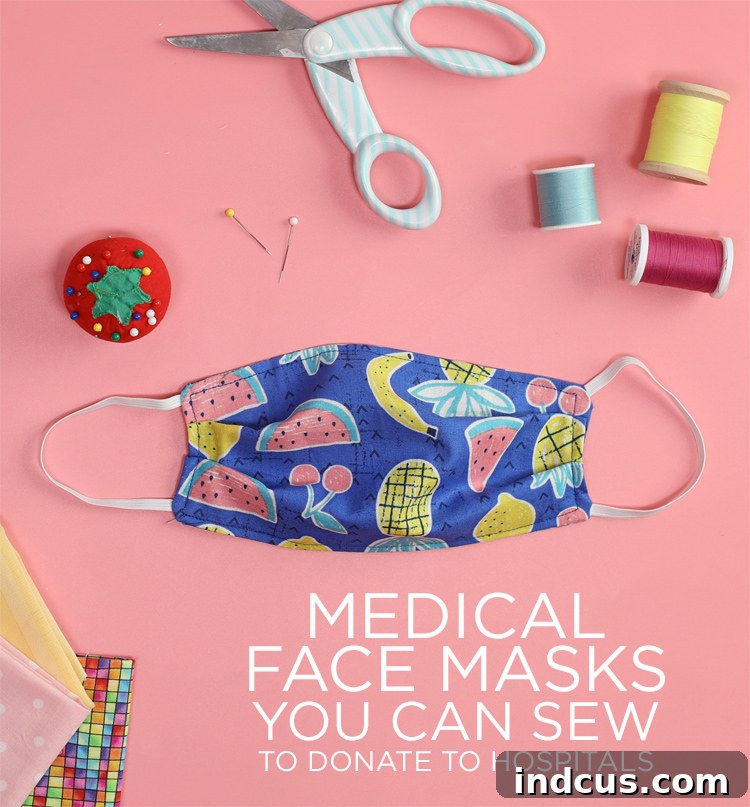
To the doctors, nurses, hospital staff, first responders, and all the dedicated individuals working tirelessly to care for others and keep our communities functioning – THANK YOU. Your courage, compassion, and relentless commitment inspire us all. From the bottom of our hearts, we extend our deepest gratitude.
Hang in there during these unprecedented times. Even though we may be physically apart, our collective strength and kindness show that we are unequivocally in this together.