There’s nothing quite like the feeling of a well-deserved break, especially when it opens up valuable time for passion projects! This week, with my wonderful husband taking the lead on daughter-watching duties, I’ve had the glorious opportunity to dive headfirst into my sewing haven. And what a productive time it’s been! I’m thrilled to share yet another successful clothing reconstruction project, transforming a forgotten garment into a stylish, wearable piece. This adventure in DIY fashion stems from a treasure I discovered in that bulging bag of clothes I salvaged from a recent thrift store haul – a true testament to the endless possibilities that second-hand finds offer for creative upcycling.
Embracing Sustainable Style: The Allure of Thrifting and Upcycling
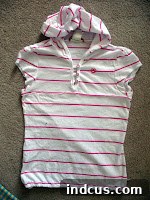
The journey of transforming an old piece of clothing begins long before the first stitch is made; it starts with the thrill of the hunt. Thrifting isn’t just a budget-friendly way to expand your wardrobe; it’s a sustainable practice that significantly reduces textile waste and supports the slow fashion movement. Every visit to a second-hand store is an exciting quest for hidden gems, items with potential waiting to be unleashed. For this particular project, I found a top with a lovely fabric and print, but its original cut and size were far from flattering. It was a classic example of an item that needed a little vision and a lot of love to become something truly special. The beauty of choosing thrifted garments for reconstruction lies in their affordability, making experimentation less daunting, and the unique starting point they provide. You’re not just making a new garment; you’re giving an existing one a second life, imbued with new style and purpose.
From Oversized to Chic: The Vision for Transformation
Once the initial thrift store find is secured, the real creative process begins. I assess the garment, feeling the fabric, examining its seams, and most importantly, envisioning its potential. For this shirt, my goal was clear: to transform its shapeless silhouette into something more feminine and contemporary. The decision was made to incorporate an empire or baby doll waist – a style renowned for its flattering, comfortable fit, gracefully accentuating the bust while flowing loosely over the body. This particular design choice instantly injects a youthful, charming aesthetic into any top. My vision involved dramatically altering the dimensions – reducing its width and length, refining the neckline, and reshaping the armholes to create a more tailored, yet relaxed, fit. This phase of imaginative planning is crucial, as it sets the blueprint for all the cutting and sewing that follows, ensuring that the final reconstructed piece aligns perfectly with the desired aesthetic and personal style.
The Art of Reconstruction: Step-by-Step Garment Alteration
Executing a garment transformation requires a blend of careful planning and precise execution. For this shirt, the process involved several key steps, each contributing to its remarkable metamorphosis:
- Initial Assessment and Measurement: I started by trying on the original shirt to identify precisely where adjustments were needed. Using pins and a measuring tape, I marked the desired new width, length, neckline depth, and armhole circumference. This crucial step ensures that the reconstructed garment will fit perfectly.
- Deconstruction and Cutting: With the measurements marked, I carefully deconstructed relevant seams and cut away excess fabric. For the width, I trimmed the side seams, maintaining enough seam allowance for a new, snugger fit. The original length was significantly reduced to create a more cropped, modern look, aligning with the empire waist placement.
- Reshaping the Neckline and Armholes: The existing neckline was too wide and unflattering, so I carefully cut a new, softer curve, often a scoop or a gentle V-neck, depending on the desired outcome. Similarly, the armholes were recut to be higher and more fitted, providing comfort and a neater finish. Hemming these newly cut edges is essential for durability and a polished appearance.
- Creating the Empire/Baby Doll Waist: This was the heart of the transformation. To achieve the empire waist, I measured the circumference just under the bust. The remaining lower portion of the shirt was then gathered to fit this new, smaller bodice. Sometimes, a separate fabric band is cut and attached to define the waistline more distinctly. The gathered fabric is then sewn securely to the bodice, creating that characteristic flowing silhouette. This technique not only adds structure but also introduces a playful, feminine charm to the top.
- Finishing Touches: All raw edges were finished with a serger or a zig-zag stitch to prevent fraying, and new hems were sewn on the sleeves (if applicable) and the bottom of the shirt. A thorough pressing completes the project, giving it a professional, ready-to-wear look.
Each step is a delicate balance of precision and creativity, turning a basic garment into a custom-designed piece.
Why DIY Fashion Reigns Supreme: Benefits of Upcycling Your Wardrobe
Engaging in DIY clothing reconstruction offers a multitude of benefits that extend far beyond simply having a new top. It’s a powerful statement in favor of sustainable living and personalized style:
- Unleashing Unique Personal Style: In a world of mass-produced fashion, upcycled garments stand out. They are one-of-a-kind pieces that truly reflect your individuality and creative vision. You become the designer, crafting clothing that perfectly aligns with your aesthetic preferences.
- Environmental Sustainability: This is arguably the most significant benefit. By transforming existing garments, you divert textile waste from landfills, conserving resources and reducing the environmental footprint of the fashion industry. It’s a tangible way to participate in eco-friendly practices.
- Cost-Effectiveness: Revamping a thrifted item or an old piece from your closet is significantly cheaper than buying new clothes. This allows you to maintain a stylish wardrobe without breaking the bank, proving that great fashion doesn’t have to come with a hefty price tag.
- Developing New Skills: Each reconstruction project is an opportunity to hone your sewing skills, learn new techniques, and gain confidence in your crafting abilities. From basic stitches to complex alterations, the learning curve is continuous and rewarding.
- Empowerment and Creative Fulfillment: There’s immense satisfaction in taking something overlooked and transforming it into a beloved item. The process is a creative outlet, offering a sense of accomplishment and pride in wearing something you’ve made with your own hands.
- Reducing Fast Fashion Consumption: By actively choosing to upcycle, you become part of the movement away from fast fashion’s cycle of cheap production and quick disposal, advocating for a more mindful and ethical approach to clothing.
This empire-waisted top is a perfect embodiment of these principles – a unique, sustainable, and utterly adorable addition to my wardrobe.
Image 1: The “Before” – A Thrifted Start
Image 2: The “After” – A Stunning Transformation
Image 3: “So Cute!” – The Charming Details
Styling the Reconstructed Piece: Embracing the Baby Doll Charm
The satisfaction of completing a sewing project, especially one that so dramatically alters a garment, is immense. This reconstructed shirt, with its newly fitted width, shortened length, refined neckline, and charming empire/baby doll waist, is now an absolute delight to wear. The baby doll style, characterized by its loose-fitting silhouette and high waistline, offers both comfort and a playful elegance. It’s incredibly versatile, perfect for a casual day out or dressed up for a slightly more chic occasion. The flowy nature of the top pairs wonderfully with various bottoms, but my immediate vision for completing this outfit involves finding the perfect pair of pink leggings. The right shade of pink will not only complement the top’s design and color palette but also add a pop of vibrant personality, creating a cohesive and adorable ensemble. This top is not just a piece of clothing; it’s a testament to how creativity and a sewing machine can breathe new life into forgotten fabrics, proving that true style is often found in unique, handmade creations.
Join the DIY Fashion Movement: Start Your Own Sewing Adventure
If my recent sewing flurry and this transformed shirt have sparked a flicker of inspiration in you, I wholeheartedly encourage you to embark on your own DIY fashion journey. The world of clothing reconstruction and upcycling is incredibly rewarding, regardless of your current sewing skill level. Start small: perhaps by hemming a pair of pants, adjusting the fit of a T-shirt, or adding a decorative patch to a jacket. Thrift stores are abundant with potential, offering a low-risk environment to experiment with different fabrics and styles. There are countless online tutorials, patterns, and communities eager to share knowledge and encouragement. Imagine the satisfaction of looking at a piece in your wardrobe and knowing you brought it to life, customized it to your taste, and saved it from an untimely end in a landfill. It’s more than just sewing; it’s about expressing yourself, embracing sustainability, and cultivating a truly unique personal style. So, grab some scissors, a needle and thread (or fire up that sewing machine!), and discover the boundless joy of handmade fashion. Who knows what incredible transformations await in your next thrift store find or forgotten closet gem?