The holiday season, a time often associated with joy, warmth, and the comforting scents of pine and gingerbread, took an unexpected and rather pungent turn for me recently. While the title of this post might sound a tad melodramatic, I assure you, the reality was far grimier than any fictional drama. My festive crafting plans were abruptly derailed by a discovery that was both revolting and ultimately transformative, leading to an extensive home renovation project I never anticipated.
A Wall of Stench: The Unwelcome Greeting
With Christmas rapidly approaching, my list of handmade gifts still had a few unfinished entries. Naturally, my craft room beckoned, promising a sanctuary for creativity and productivity. Eager to dive into fabrics, threads, and all things DIY, I stepped into what I hoped would be my inspiring workspace, only to be met by an invisible, yet overwhelmingly potent, barrier. A wall of stench. It wasn’t just a bad smell; it was an assault on the senses, a pervasive, sickening odor that clung to the air and threatened to smother any creative spark.
The initial reaction was one of disbelief, quickly followed by a frantic attempt to identify and eliminate the source. My first suspect was the carpet. Perhaps a spill had gone unnoticed, or something had simply festered over time. I spent valuable hours and considerable effort cleaning the carpets, scrubbing diligently with various solutions, hoping to banish the foul odor. To my dismay, the efforts were utterly futile. The smell remained, stubbornly entrenched, a constant, sickening reminder that something far more insidious was at play. This wasn’t a superficial issue; it was deeply embedded, hinting at a hidden problem far beyond a simple clean-up, one that demanded immediate attention in my pursuit of a healthy and clean home environment.
The Grim Discovery: More Than Just Poor Shelving
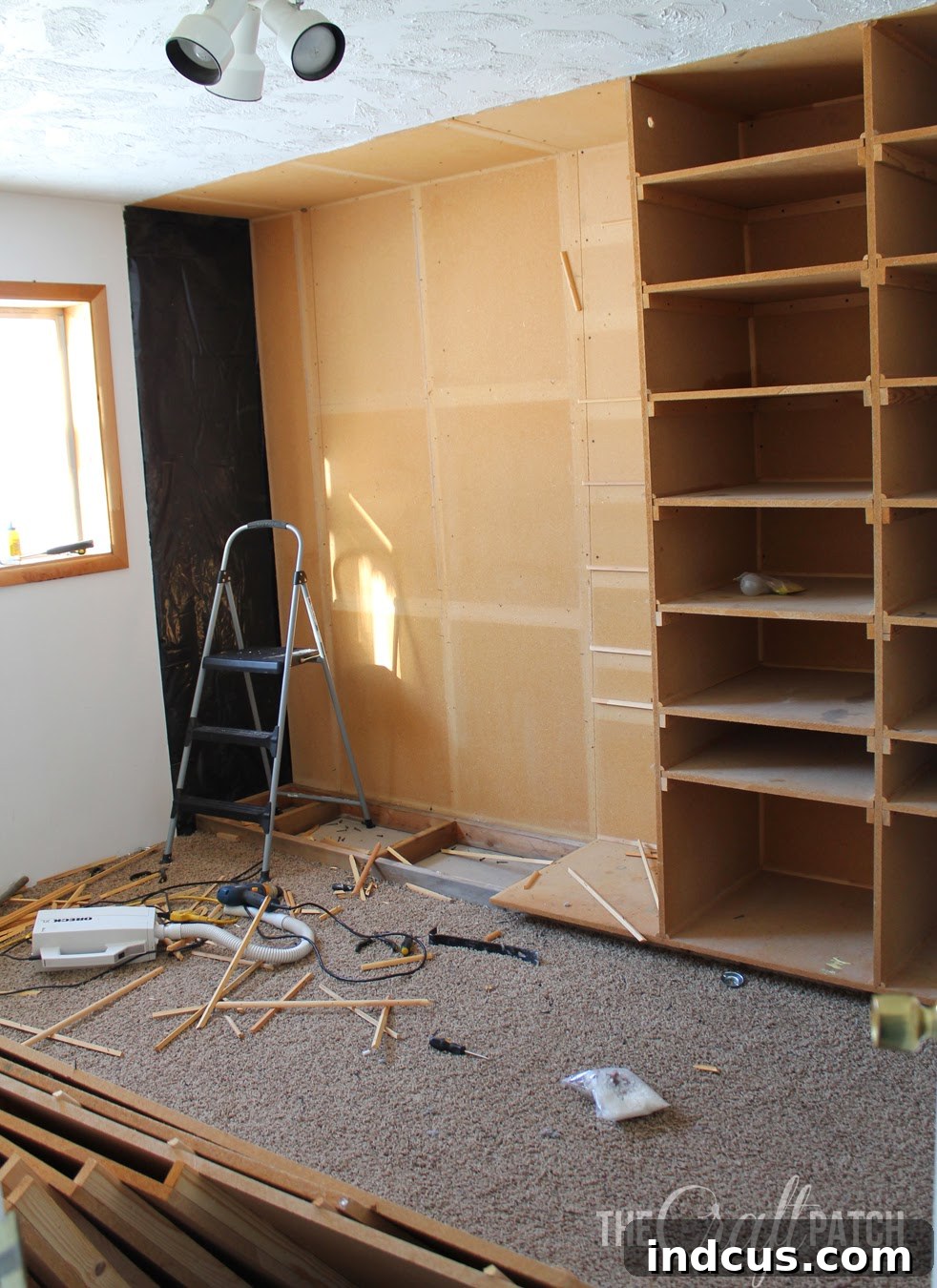
The unsettling realization dawned on me that the source had to be something deeper, something concealed within the structure of the room. My gaze fell upon the built-in shelving that lined one wall of the room. Frankly, these shelves had always been an eyesore. They were poorly constructed, visibly crooked, and entirely lacked any aesthetic appeal, certainly not aligning with the vision I had for a beautiful, inspiring craft space. Despite their numerous shortcomings, I had always held onto the hope of transforming them, perhaps painting them, adding decorative trim, or otherwise camouflaging their imperfections as part of a future craft room makeover. Little did I know, their cosmetic flaws were merely a prelude to a far more disgusting and hazardous revelation.
What I uncovered behind those crooked planks was enough to turn anyone’s stomach. It wasn’t just dust bunnies or forgotten trinkets; it was an entire ecosystem of decay and filth. The previous homeowners, in what can only be described as a baffling act of negligence or a desperate shortcut, had opted for a rather unconventional approach. When they decided to finish the formerly unfinished basement room, instead of properly removing the existing, crudely built shelving, they simply built new sheetrock walls *around* them. This created an ideal, concealed haven for unwelcome guests – a perfect, undisturbed cavity for pest infestation.
Between the old wooden shelves and the newly installed drywall, a thriving colony of mice had taken up residence. And they hadn’t just *resided*; they had *thrived*, turning the hidden space into their personal sewer. The stench was unmistakable now: the pungent, sickening odor of fermenting mouse droppings and urine, coupled with decaying organic matter. It was a literal mouse toilet, a biohazard festering in the very walls of my home, contaminating the air I breathed. The sheer volume of waste was staggering, confirming that this had been an issue for a considerable period, likely years. The thought of continuing any crafting in such an environment was utterly repulsive. “Ew. Ew. Double ew,” was an understatement. My creative dreams instantly transformed into a mandate for immediate, drastic action and a comprehensive home clean-up. There was absolutely no way I would ever feel comfortable or healthy working in a space contaminated to such an alarming extent by rodent infestation.
Demolition Day: Tearing Down the Problem
The decision, though difficult given the approaching holidays and my crafting deadlines, was clear and non-negotiable: the shelves had to go. Immediately. This wasn’t just about improving aesthetics anymore; it was about protecting health, ensuring hygiene, and reclaiming a space that had been violated by pests. So, with a heavy heart mixed with a determined resolve, demolition day commenced. I began the arduous task of ripping out all the built-in shelving, each pry of the crowbar revealing more of the hidden horror. It was a messy, dusty, and emotionally draining process, punctuated by moments of gagging at the continued stench and the sight of accumulated waste.
There were moments, perhaps several, where I felt a pang of sadness for the lost potential, for the craft room I had envisioned, now further delayed by this unforeseen catastrophe. But that fleeting sadness was quickly overshadowed by the profound disgust and the absolute necessity of removing this toxic blight from my living space. The physical effort was considerable, but the mental burden of dealing with such a severe pest infestation was equally taxing. Each piece of wood I pulled away exposed more of the foul evidence, reinforcing the gravity of the situation and the critical need for a complete overhaul. It wasn’t merely a cosmetic renovation; it was an essential restoration of basic living standards and indoor air quality. The sheer volume of mouse activity and accumulated waste made it clear that a simple cleaning wouldn’t suffice; the underlying structures were compromised, saturated with the pungent odor and potentially harboring disease-carrying pathogens. This wasn’t just about removing old shelves; it was about sanitizing, rehabilitating, and transforming an entire section of my home.
Beyond Shelves: An Unplanned Renovation and Home Value Boost
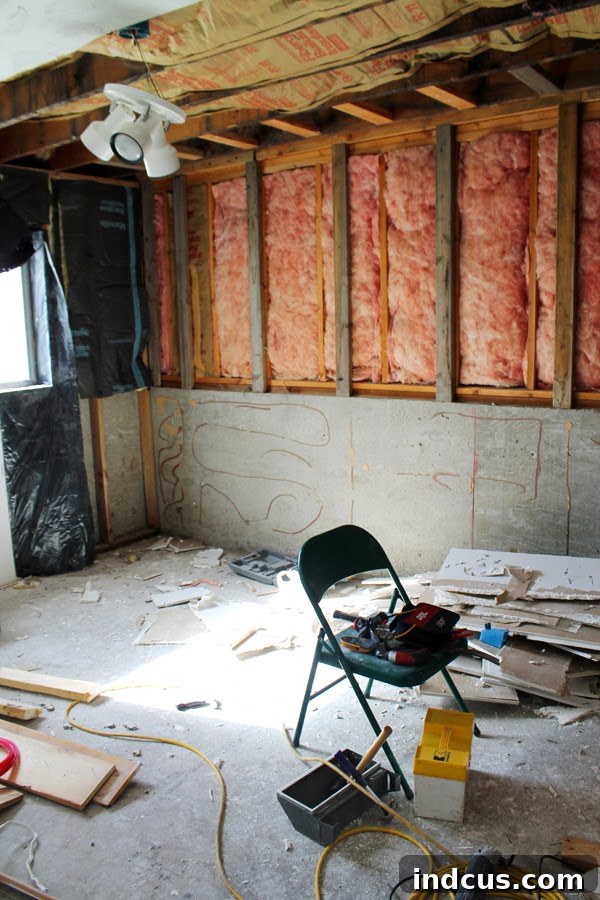
As often happens with home improvement projects, especially those born out of necessity rather than mere desire, the scope quickly expanded. Ripping out the shelves was just the beginning of a much larger home renovation. The extent of the damage and contamination meant that new drywall was imperative. The existing drywall, riddled with mouse activity and saturated with their waste and odor, had to be completely removed and replaced. This unexpected step significantly added to the project’s complexity, cost, and timeline, but it was absolutely unavoidable for creating a truly clean, healthy, and odor-free environment.
Furthermore, with the walls open and the room in a state of disarray, a new opportunity, born from necessity, elegantly presented itself. The room, technically designated as a spare room, critically lacked a proper closet. This deficiency meant that legally, we couldn’t list it as a fourth bedroom if we ever decided to sell the house, thereby diminishing our property’s market value. Now, with the old, dilapidated shelving gone and the walls exposed, it became abundantly clear that this was the perfect moment to frame in a proper, functional closet. This seemingly small architectural addition would dramatically increase our home’s value and appeal to future buyers, effectively transforming a “spare room” into a legitimate “four-bedroom home.” It was a significant long-term benefit, a silver lining to this unpleasant cloud of unexpected renovation, improving both functionality and resale value.
And finally, the flooring. There was no carpet under the original shelves, meaning the existing carpet was patchy and incomplete. To ensure a seamless, clean, and healthy finish, new carpeting for the entire room became another non-negotiable item on the growing list of tasks. This comprehensive approach, while initially daunting and a significant investment of time and resources, was essential for eradicating the problem entirely and ensuring a healthy, comfortable, and aesthetically pleasing space for years to come. The unforeseen challenges had, in a way, forced us into a more thorough and ultimately beneficial home improvement project than we had ever planned, proving that sometimes, even the worst discoveries can lead to the best outcomes.
The Road Ahead: Patience, Perseverance, and a Vision for the Future
While the prospect of adding significant value to our home and finally having a truly clean, functional, and aesthetically pleasing craft room is undoubtedly exciting, the immediate reality is a bit more challenging. This unplanned, extensive renovation means that my dream of a beautiful, organized craft room, ready for holiday gift production, will have to wait. It’s going to take a considerable amount of time before the new drywall is up, the closet framed, the room painted with fresh, clean colors, and finally, fresh, soft carpet laid down. This extended timeline is a hard pill to swallow, especially with my passion for creating.
This delay is, admittedly, “the pits.” I deeply miss my creative space. I miss the ability to simply walk in, sit down, and start a project without having to navigate around construction zones or worry about airborne contaminants. But the alternative – continuing to work in a room tainted by rodent infestation, foul odors, and potential health hazards – was simply unthinkable. So, for now, patience is key. The vivid vision of a bright, clean, and inspiring craft room, entirely free from any hint of past horrors, is what fuels the perseverance through this messy, dusty, and somewhat drawn-out process. It’s a powerful reminder that sometimes, unexpected setbacks and necessary home repairs lead to far greater long-term improvements and a healthier living environment.
This experience also serves as a crucial lesson in homeownership and the paramount importance of thorough inspections, especially when dealing with older homes or properties where previous renovations might have involved cutting corners. Neglecting what lies hidden behind the walls can lead to far more significant problems down the line, affecting not only the structural integrity and aesthetic appeal of a home but also the health and well-being of its occupants. Addressing such issues promptly and comprehensively, though disruptive and expensive, is ultimately an invaluable investment in a healthier, happier, and more valuable living environment for the entire family. Every homeowner should be vigilant about pest control and the quality of hidden construction.
HAPPY ENDING: SEE THE FINISHED ROOM HERE!