Crafting Joy: A Modern Triangle Quilt for a New Arrival
There are few things as rewarding as pouring your heart and soul into a handmade gift, especially when it’s for someone incredibly special. For weeks, I’ve been brimming with excitement, eager to share a project that has been a true labor of love. I crafted this particular piece for a dear friend who is expecting her little one any day now. The anticipation of their baby’s arrival has been infectious, and it fueled every stitch and every decision made during the creation of this quilt. Finally, after presenting it to her last night, the secret is out, and I can unveil the finished product without spoiling the surprise. Are you ready to discover this unique creation?
Unveiling the Design: A Super Modern Triangle Quilt
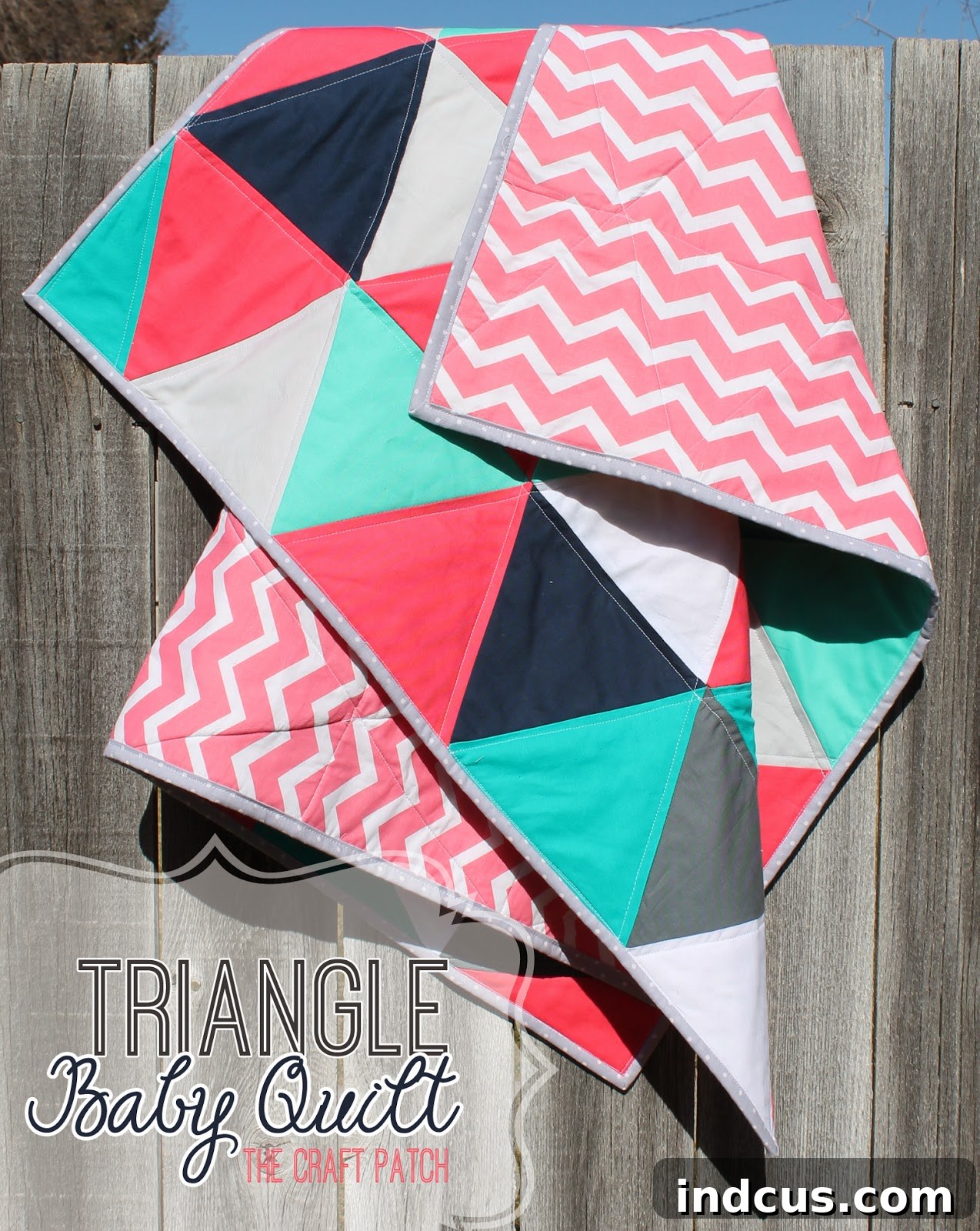
And there it is! A super modern triangle quilt that has absolutely captured my heart. From the moment I started conceptualizing this project, I envisioned something fresh, contemporary, and full of character – a piece that would not only provide warmth and comfort but also serve as a stylish addition to a modern nursery. Geometric patterns, especially triangles, offer incredible versatility and a distinct visual appeal that can be both playful and sophisticated. This design choice allowed for a dynamic interplay of colors and shapes, creating a quilt that feels vibrant and lively without being overwhelming.
The beauty of a modern triangle quilt lies in its ability to adapt to various color palettes and styles. Whether you opt for bold contrasts or subtle gradients, triangles can be arranged in countless ways to create unique optical illusions and striking patterns. For this baby quilt, I aimed for a design that felt both modern and cozy, ensuring it would be a cherished item for years to come. The crisp lines and thoughtful arrangement of the triangles give it a very clean and contemporary feel, making it a perfect fit for today’s interior design trends while still offering the timeless charm of a handmade quilt.
The Art of Fabric Selection: A Harmonious Color Palette
Selecting the right fabrics is perhaps one of the most enjoyable, yet critical, steps in creating a quilt. For this project, I meticulously chose a palette that felt both modern and perfectly suited for a baby’s room. My primary fabric choice was high-quality Kona cotton, renowned for its extensive color range, consistent dye quality, and soft, durable texture. Kona cotton is a quilter’s favorite for good reason; it handles beautifully, presses crisply, and holds up well to repeated washing, which is essential for any baby item.
The color story I developed for this quilt features a vibrant coral, paired with two delightful shades that bridge the gap between aqua and mint – a serene, soothing combination. To ground these brighter hues, I incorporated two different shades of cool grey, a crisp white for contrast and breathability, and a deep navy to add depth and sophistication. This blend creates a wonderfully balanced aesthetic: the coral brings a cheerful warmth, the aquas and mints add a touch of playful calm, while the greys, white, and navy ensure a modern, grounded feel.
But the design doesn’t stop at the front. The backing fabric is a cheerful coral chevron pattern, which provides a lovely graphic element and complements the main colors of the quilt top beautifully. It adds an unexpected pop of pattern and texture, making the quilt interesting from every angle. For the binding, I opted for a sweet grey polka dot fabric. This choice ties in with the grey tones on the front, adds a whimsical touch, and perfectly frames the entire quilt, giving it a polished and professional finish. Every fabric choice, from the main triangles to the binding, was made with care, aiming to create a cohesive and visually appealing piece that would delight both the parents and the new baby.
The Quilting Journey: A Labor of Love, Much Like Life
As I embarked on this quilting adventure, a thought struck me: the process of making a quilt is remarkably similar to the journey of being pregnant. Both endeavors demand immense patience, unwavering dedication, and are undoubtedly filled with an abundance of love. It “takes forever,” stretching over days, weeks, or even months, as countless small steps slowly build towards a magnificent creation. Every piece cut, every seam sewn, and every stitch placed is a testament to the love woven into the fabric. And, much like pregnancy, there can be moments that are “painful at times.” Whether it’s a frustrating tangle of thread, a seam that refuses to lie flat, or the sheer physical effort involved, the creative process is rarely without its challenges. Yet, these moments of struggle only serve to deepen the satisfaction when the project is finally complete.
The journey of crafting a quilt is a beautiful metaphor for life’s challenges and rewards. It teaches perseverance, meticulousness, and the joy of seeing a vision come to life through your own hands. Each snag and each perfectly matched point tells a story of effort and growth. Ultimately, the love invested far outweighs any fleeting difficulty, culminating in a tangible expression of affection that will be cherished. It’s a testament to the fact that the most meaningful creations often require the greatest commitment of time and spirit.
Navigating Machine Quilting Challenges: A Learning Curve with a Walking Foot
For this quilt, I made the decision to machine quilt, specifically utilizing a walking foot. A walking foot is an invaluable tool for quilters, designed to help feed multiple layers of fabric (the quilt top, batting, and backing) evenly through the sewing machine. It works by having its own set of feed dogs, which grab the top layer of fabric and move it in sync with the machine’s lower feed dogs, preventing the common issue of the top fabric shifting or bubbling. While a walking foot typically aids in smooth, even quilting, I still encountered some puckering issues during the process.
Upon reflection, I believe the primary culprit was the nature of the triangle pieces themselves. When cutting triangles, one side is almost always cut on the bias. Fabric cut on the bias runs diagonally to the fabric’s warp and weft threads, making it significantly stretchier and more prone to distortion than fabric cut on the grain. As I sewed the triangle units together, this inherent stretchiness caused some of the fabric to pull unevenly, leading to the dreaded puckers. Working with bias-cut pieces requires an extra level of care and precision, often involving gentle handling, starching the fabric before cutting, and sewing with a lighter touch to avoid stretching. It was a good reminder of the importance of understanding fabric grain and how it impacts the sewing process, especially when working with geometric shapes that inherently incorporate bias edges.
Mastering the Art of Binding: Embracing New Techniques and Imperfections
Beyond the quilting itself, I also decided to experiment with a new binding technique. Quilt binding, the final step in finishing a quilt, involves enclosing the raw edges of the quilt with a strip of fabric. While seemingly straightforward, there are numerous techniques, each offering a slightly different look and level of durability. Learning a new binding method can be a challenge, requiring practice and patience to achieve a clean, professional finish. I confess, I haven’t quite mastered this particular technique yet. The corners weren’t as crisp as I would have liked, and there were a few spots that weren’t as perfectly aligned as I usually aim for.
Indeed, this quilt has its flaws. But here’s the beautiful truth about handmade items: their imperfections are often what give them character and charm. They tell the story of the maker’s hands, the learning process, and the love poured into every stitch. It’s a joyful reminder that perfection isn’t the sole measure of beauty. Despite its minor flaws, this quilt is oh, so cheery! The vibrant colors and modern design radiate happiness, making it an instant mood booster. And crucially, it possesses that wonderful, heavy, divine feel that expertly machine-quilted quilts have. You know what I mean, right? That substantial drape, that comforting weight, and the way the dense quilting makes the batting feel luxuriously soft and tactile. It’s a feeling that mass-produced blankets simply cannot replicate.
Ultimately, while it may not be absolutely perfect in every technical aspect, it is still undeniably beautiful. Its handmade nature, complete with its unique quirks, contributes to its charm and ensures it’s a one-of-a-kind gift. The slight puckers and the learning-curve binding are subtle reminders of the human touch involved, making it all the more special and personal for the recipient.
The Finished Masterpiece: A Gift from the Heart
Seeing the finished quilt, folded neatly and ready for its new home, filled me with immense satisfaction. It’s more than just a blanket; it’s a tangible representation of care, creativity, and anticipation for a new life. The chosen color palette perfectly captures a contemporary vibe, while the geometric triangle pattern adds a touch of playful sophistication ideal for a baby’s nursery. The combination of the soft Kona cotton, the cheerful chevron backing, and the charming polka dot binding creates a dynamic and inviting piece.
This quilt embodies the warmth and comfort that only a handmade item can truly offer. It’s designed not just to keep a baby snug but to be a focal point in their room, a conversation starter, and a cherished heirloom. Despite the small challenges encountered during its creation, the overall cheeriness and the luxurious, heavy feel of the machine quilting shine through. Every time this quilt is wrapped around the new baby, it will carry the silent message of love and dedication from its maker.
Tips for Your Own Modern Quilt Project
If you’re inspired to create your own modern triangle quilt or any geometric quilt, here are a few tips based on my experience:
- Pre-wash Your Fabrics: Especially with vibrant colors, pre-washing prevents dye bleeding and preshrinks the fabric, ensuring your quilt remains true to size and color after its first wash.
- Starch Bias Edges: If working with triangles or other shapes with bias edges, a light spray of starch and a good press can stabilize the fabric, making it less prone to stretching and puckering during sewing.
- Invest in a Walking Foot: Despite my minor issues, a walking foot is crucial for machine quilting. Practice with it on scraps to get a feel for its capabilities and limitations.
- Embrace Practice: Learning new techniques, whether it’s binding or a complex piecing method, takes time. Don’t be afraid to practice on smaller samples before applying it to your main project.
- Don’t Fear Imperfections: Handmade items are unique. Small flaws add character and are a reminder of the human touch and the journey of creation. Focus on the overall beauty and the love you’re pouring into it.
- Choose a Meaningful Color Palette: Select colors that evoke the feeling you want the quilt to convey or that resonate with the recipient’s style.
A Heartfelt Conclusion
Creating this modern triangle quilt has been a deeply satisfying experience, blending creative expression with the joy of giving. It reinforces the timeless value of handmade gifts, which carry a story and a personal connection that mass-produced items simply cannot. This quilt, with all its carefully selected fabrics, deliberate design, and even its minor imperfections, is ready to welcome a new life into the world with warmth, color, and an abundance of love. It’s a beautiful reminder that the most precious gifts are often those made by hand and given from the heart.