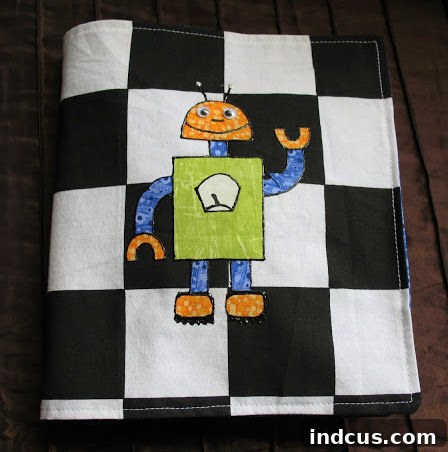
The anticipation of a loved one’s first birthday is always special, and for my nephew’s upcoming milestone, I embarked on a creative journey: crafting a unique fabric quiet book. My previous attempt at making a quiet book was quite an undertaking, presenting its fair share of challenges. However, armed with invaluable experience and a refined approach, this second endeavor proved significantly smoother, despite still requiring a considerable investment of time and dedication. This project allowed me to streamline processes and incorporate lessons learned, resulting in a more polished and enjoyable experience. As always, I encourage you to share your thoughts or questions in the comments below; I’m here to assist you with any aspect of this crafting adventure.
Crafting the Ultimate DIY Quiet Book for Boys: An Interactive Adventure in Fabric and Felt
Quiet books, often referred to as busy books, are wonderfully engaging and educational tools that offer toddlers a screen-free way to explore, learn, and develop crucial skills. These handmade fabric books are brimming with interactive elements designed to captivate young minds, promoting everything from fine motor coordination to imaginative play. Creating one for my nephew’s first birthday wasn’t just about making a gift; it was about creating a personalized, tactile experience tailored specifically for him. The joy of gifting something handcrafted, knowing the thought and effort poured into every stitch and detail, is truly unparalleled.
Why Quiet Books Are Essential for Toddler Development
In a world increasingly dominated by digital screens, quiet books stand out as timeless treasures. They offer a multitude of developmental benefits that are crucial during a child’s formative years:
- Fine Motor Skill Development: Activities like buttoning, zipping, lacing, snapping, and manipulating small pieces are excellent for strengthening tiny hand muscles and improving dexterity.
- Cognitive Growth: Pages often involve matching, sorting, sequencing, and problem-solving, which are vital for cognitive development. Concepts like cause and effect are also explored.
- Sensory Exploration: The diverse textures of fabric, felt, buttons, and other embellishments provide rich sensory input, stimulating a child’s senses.
- Imaginative Play: With characters, scenes, and interactive elements, quiet books spark imaginative storytelling and role-playing, fostering creativity.
- Language and Communication: Parents and caregivers can use the book to introduce new vocabulary, describe actions, and engage in conversations about the various activities.
- Focused Attention: Quiet books encourage children to concentrate on a single activity, helping to develop their attention span in a gentle, engaging way.
- Portability: They are perfect companions for travel, appointments, or any situation where a child needs to be quietly entertained without relying on electronic devices.
Essential Materials and Crafting Techniques for Your Busy Book
Before diving into specific page designs, it’s helpful to understand the core materials and techniques involved in quiet book creation. The beauty of these books lies in their versatility and the creative freedom they offer:
- Felt: A cornerstone material for quiet books due to its non-fraying nature, making it ideal for cut-out shapes and layered designs. It’s soft, durable, and comes in a vibrant array of colors.
- Fabric: Various cotton fabrics can be used for page bases, pockets, and specific design elements, adding texture and visual interest.
- Fusible Interfacing (e.g., Wonder Under): This double-sided adhesive material is invaluable for adhering fabric pieces without sewing, creating crisp edges and saving significant time.
- Puffy Paint: Excellent for outlining shapes, adding texture, and most importantly, preventing fabric edges from fraying or lifting over time, ensuring durability.
- Buttons, Zippers, Snaps, Velcro: These fasteners are key for interactive elements, teaching practical life skills. Always ensure they are securely attached and appropriately sized for the child’s age to prevent choking hazards.
- Magnets: Used for creating movable, interactive pieces, adding a fascinating element to pages like fishing games or paper doll dress-up.
- Adhesives: Hot glue can be useful for attaching non-fabric embellishments like googly eyes, ensuring quick and strong bonds. Fabric glue is also an option for certain applications.
- Basic Sewing Supplies: A sewing machine is highly recommended for page construction and binding, though many elements can be hand-stitched for a more rustic, personal touch. Sharp scissors, an iron, and a cutting mat are also essential.
When selecting materials, prioritize child-safe, non-toxic options, especially for very young children who might still explore with their mouths. Durability is also key, as these books are designed to withstand enthusiastic play.
Designing for Boys: Themes and Engaging Activities
While quiet books are universally appealing, tailoring the themes to a child’s specific interests can make them even more captivating. For a boy’s quiet book, themes often revolve around adventure, vehicles, nature, and imaginative play. This particular book features a fantastic array of boy-centric activities:
A Detailed Look at My Nephew’s Quiet Book Adventure
The Robot’s Welcome: An Engaging Front Cover
Front Cover: The journey into this special quiet book begins with a vibrant and inviting robot-themed cover. Each individual component of the robot—its body, head, arms, and legs—was meticulously cut from fabric that had been backed with double-sided fusible interfacing (Wonder Under). This clever technique allows for precise placement and a clean finish without the need for extensive stitching. Once ironed securely onto the main backing fabric, these robot pieces were further enhanced. I carefully traced around all the edges with puffy paint, not only adding a delightful tactile dimension and visual pop but, more importantly, providing a durable seal that prevents the fabric edges from fraying or lifting during enthusiastic play. To complete our friendly robot, a pair of playful googly eyes were attached with hot glue, bringing the character to life and adding an element of fun and surprise for tiny hands.
Page One: The Truck with Interchangeable Wheels
First Page: Turning to the first page, the adventure continues with a heartfelt touch and an interactive vehicle scene. One side of the page features a hand-stitched inscription, adding a deeply personal and lasting message to the book. Opposite this, a charming truck awaits, designed for hands-on learning and play. This truck boasts several different types of wheels, each equipped with a button or snap mechanism, allowing children to practice essential fine motor skills by buttoning or snapping them on and off. This activity not only hones dexterity but also introduces concepts of matching and sorting. To keep all the interchangeable wheels tidy and accessible, a conveniently sized yellow fabric pocket is integrated into the page, providing perfect storage and encouraging organizational habits.
Page Two: High-Flying Heroes and Magnetic Adventures
Second Page: This page takes young adventurers to the skies with an airplane theme, accompanied by charming boyish paper dolls. The innovative design includes a clever hideaway within the airplane for a parachute man figure. Children can delight in reaching into the airplane to make him “jump out,” an activity that enhances fine motor skills and sparks imaginative storytelling. The paper dolls themselves are crafted from paper that has been carefully laminated for enhanced durability, ensuring they withstand countless adventures. Each doll is backed with a magnetic strip, allowing them to stick securely to the boy figure painted with special magnetic paint. This magnetic interaction offers a unique tactile experience and endless possibilities for dressing up and creating scenarios. An integrated orange fabric pocket serves as a convenient and tidy storage space for all the paper dolls when they’re not in play, promoting organization and preventing lost pieces.
Page Three: The Thrilling Race Track Rally
Third Page: Vroom, vroom! Get ready for an exhilarating race track page designed to ignite a child’s imagination and improve problem-solving skills. This dynamic page features a miniature car that embarks on an exciting journey. Along its path, the little car must skillfully navigate around a tactile mud puddle, enhancing sensory exploration and developing spatial awareness. It then proceeds through a wonderfully interactive bridge, crafted from soft felt, which can be folded down when the book is closed to maintain its compact form. This foldable bridge introduces a simple mechanical element, encouraging interaction. Before reaching its final destination, the car must dutifully stop at a stop sign, subtly teaching basic road safety concepts and sequencing. The ultimate goal is to park the car safely in its very own garage pocket, providing a satisfying conclusion to the race and a neat storage solution for the vehicle.
Page Four: Pirate’s Treasure and Magnetic Fishing Fun
Fourth Page: Ahoy, matey! This page is a double dose of adventure, featuring a mysterious treasure chest complete with its own lock and key. This activity is fantastic for developing fine motor skills and problem-solving as children work to unlock the chest. Imagine the delight of a child discovering a small treat, like fruit snacks, hidden inside the pocket! This adds an extra layer of reward and engagement, making the act of opening the chest even more exciting. But the adventure doesn’t stop there. This page also incorporates a captivating fishing game. The colorful fish and the fishing pole are both equipped with magnets, allowing children to practice hand-eye coordination and patience as they “catch” the fish. All the fishing game components—the fish and the pole—can be neatly stored in a charming boat-shaped pocket, keeping everything organized and ready for the next maritime escapade.
Page Five: The Delightful Face Page
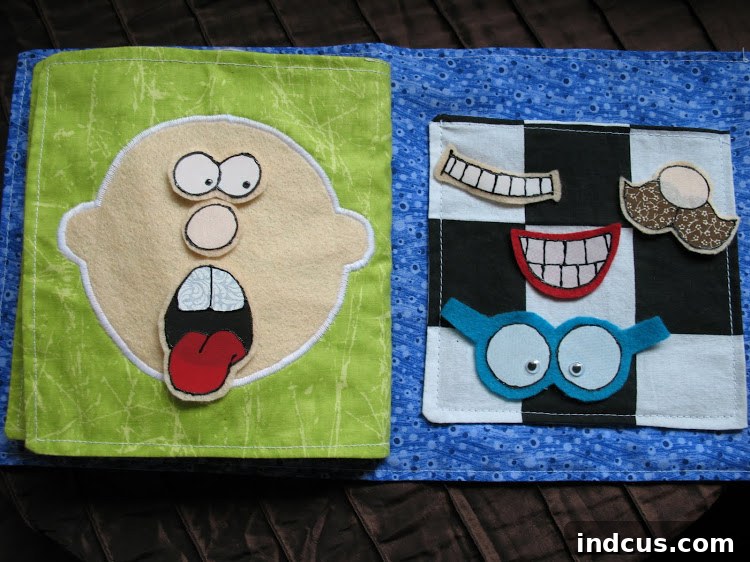
Fifth Page: Last, but certainly not least, we arrive at my personal favorite: the wonderfully expressive face page. This page is a masterclass in imaginative play and emotional learning. The central face is crafted entirely from soft felt, and critically, all the interchangeable facial features—eyes, noses, mouths, and even hair pieces—are also backed with felt. This clever design allows the pieces to stick together effortlessly, creating an endless array of funny and expressive faces without the need for adhesives or fasteners. Children can experiment with different combinations, fostering creativity, understanding of emotions, and fine motor skills as they manipulate the shapes. All these delightful face pieces find their organized home within a charming checkerboard-patterned pocket, ensuring that everything is neatly stored and ready for the next round of silly expressions.
Binding Your Quiet Book: A Simple and Effective Approach
Once all the individual pages are meticulously crafted and assembled, the final step is to bind them together into a cohesive book. For this particular quiet book, I opted for a wonderfully straightforward and durable binding method. Instead of navigating the complexities of buttonholes, grommets, or intricate ring bindings, I simply laid all the finished pages flat and sewed them together right down the middle with a strong, continuous stitch. This method proved to be significantly easier and quicker to execute, especially for smaller books like this one. It creates a robust spine that holds up exceptionally well to the rigors of toddler play, ensuring the book’s longevity while maintaining its charming handmade aesthetic.
Tips for Aspiring Quiet Book Makers
Inspired to create your own quiet book? Here are a few tips to guide you on your crafting journey:
- Start Simple: Don’t feel overwhelmed by elaborate designs. Begin with a few basic pages that focus on one or two skills.
- Prioritize Safety: Especially for babies and young toddlers, ensure all components are securely attached. Avoid small, loose parts that could be choking hazards.
- Choose Durable Materials: Select fabrics and embellishments that can withstand repeated pulling, pushing, and general enthusiastic play.
- Think Age-Appropriate: Tailor activities to the child’s developmental stage. Buttons and zippers are great for older toddlers, while simpler textures and large shapes are better for younger ones.
- Embrace Imperfection: Handmade items have character. Don’t strive for machine-perfect precision; the love and effort are what truly matter.
- Get Creative with Storage: Incorporate pockets on each page to store loose pieces, helping children learn organization and keeping the book tidy.
- Consider Sensory Elements: Include a variety of textures (smooth, bumpy, crinkly), colors, and shapes to stimulate different senses.
My hope is that this handcrafted quiet book brings countless hours of fun, learning, and imaginative play to my nephew as he grows. There’s immense satisfaction in creating something so personal and beneficial, knowing it will be cherished for years to come.
Further Inspiration for Your Next Quiet Book Project
If you’re looking for more ideas or different styles of quiet books, check out these other wonderful creations:
The Original Fabric Quiet Book
Personalized Fabric Name Book
“Favorite Things” Book
Boy Felt Name Book
Boy Felt Name Book 2
Girl Felt Name Book