Transform Your Old Jeans: DIY Upcycling into Trendy Shorts and a Chic Child’s Skirt
In a world increasingly aware of sustainability and the charm of unique, handcrafted items, upcycling has emerged as a beloved trend. There’s a profound satisfaction in taking something old, overlooked, or seemingly past its prime, and breathing new life into it. This narrative isn’t just about crafting; it’s about smart fashion, environmental consciousness, and the joy of creating something truly personal. Join us as we explore a delightful denim transformation that proves how a little creativity can go a long way, turning one forgotten pair of jeans into two fabulous new garments.
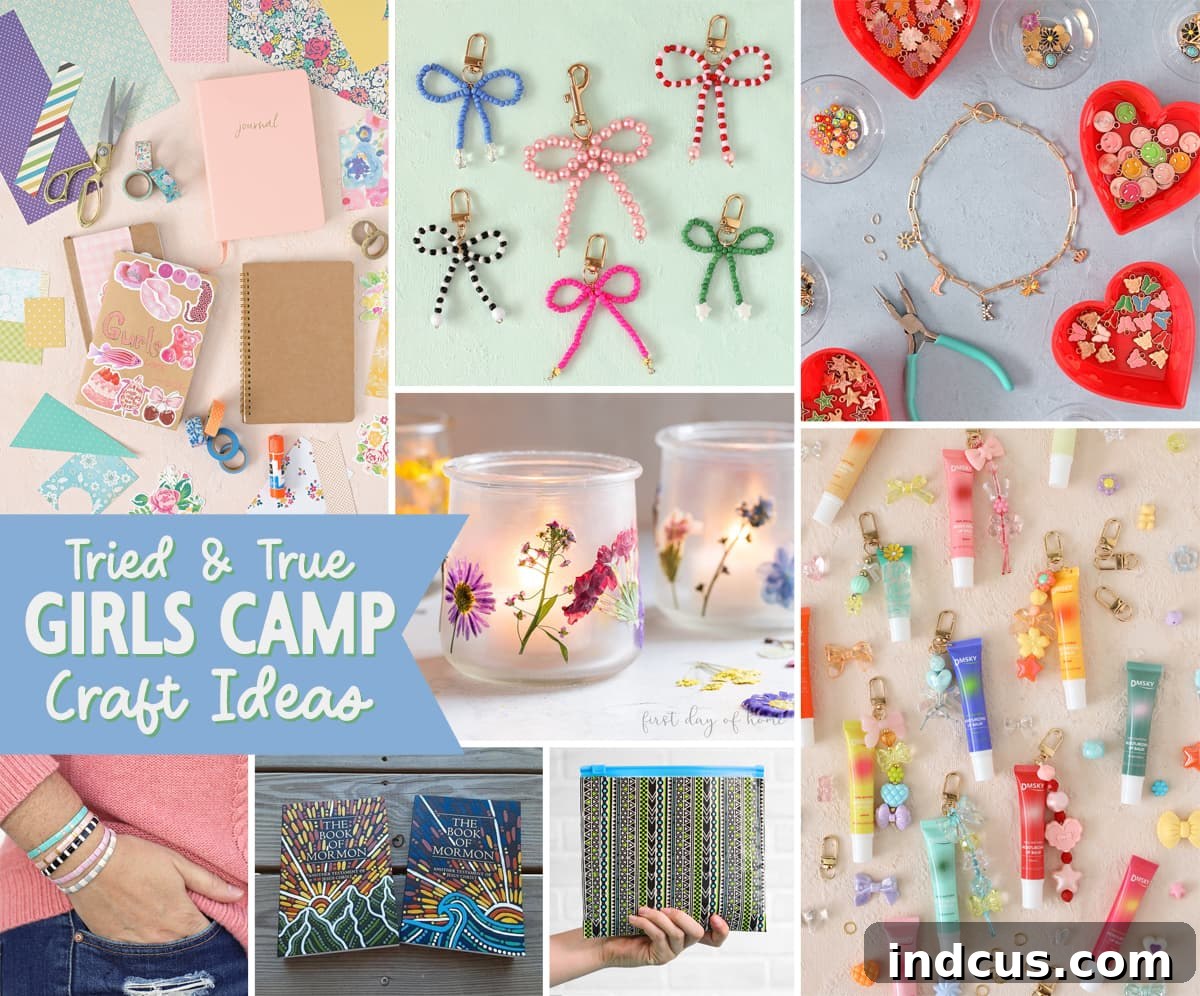
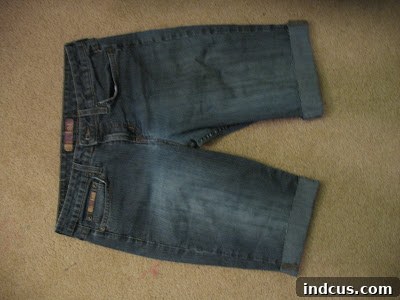
The journey began, as many good stories do, with a simple act of decluttering. While tidying out a drawer the other day, I stumbled upon a pair of jeans I genuinely didn’t recognize. Were they an ancient relic from my own wardrobe, long forgotten in the depths of a closet? Perhaps a generous hand-me-down from a friend or family member that had simply slipped my mind? Regardless of their mysterious origin, curiosity got the better of me, and I decided to try them on. To my surprise, the fit was remarkably perfect around the waist and hips – a rare find! However, my excitement was quickly tempered by a familiar foe: they were undeniably high-waters. A true fashion faux pas for my height, leaving my ankles awkwardly exposed. Disappointment momentarily flickered, but then, an idea sparked.
From Full-Length to Fresh Shorts: My Personal Denim Makeover
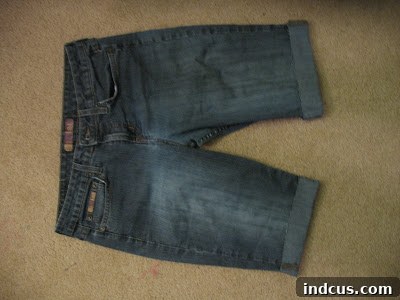
The decision was swift and practical: these jeans were destined to become shorts. With warmer weather hopefully just around the corner, a new pair of denim shorts would be a welcome addition to my summer wardrobe. The process itself is wonderfully straightforward. First, I put the jeans back on and marked the desired length just above the knee, considering a slight hem or fray. Taking them off, I carefully laid them flat, ensuring both legs were perfectly aligned. With a sharp pair of fabric scissors, I made a clean, horizontal cut across both legs, slightly below my initial mark to allow for future adjustments or styling. A quick try-on confirmed the new length was ideal. I decided to embrace a slightly raw, frayed edge, a popular and effortless look that adds a casual vibe to any outfit. This simple cut instantly transformed the ill-fitting jeans into a pair of comfortable, stylish shorts ready for sunny days. But as I held the substantial denim remnants in my hands, a new question arose: what on earth do I do with these sizeable cut-offs?
That’s when the real creative thinking began. Discarding perfectly good fabric felt wasteful, especially denim, which is such a versatile and durable material. My mind started to wander through a myriad of possibilities. Could they become patches for other clothes? Perhaps material for a small tote bag or a set of coasters? The options seemed endless, but one idea stood out, particularly with a little one in mind. I envisioned a charming, playful garment for my daughter, giving this denim a second, even more endearing life. The thought brought a smile to my face, turning what could have been waste into a heartwarming project.
Crafting a Cute Kid’s Skirt: A Step-by-Step Upcycling Guide
Repurposing denim into a child’s skirt is an incredibly rewarding project, offering a unique, durable, and stylish addition to a little one’s wardrobe. The best part? It’s far simpler than you might imagine, even for novice sewers. Here’s how I brought this vision to life:
1. Preparing the Denim Fabric
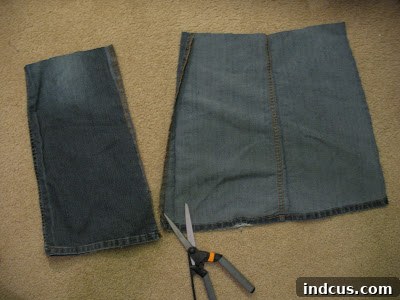
The first crucial step was to maximize the usable fabric from the denim cut-offs. I carefully laid out each leg piece from the now-shorts and identified the inner and outer seams. Using a seam ripper, I meticulously unpicked the side seams of each denim leg. This process opened up the cylindrical denim tubes into flat, rectangular panels of fabric. The goal was to create two distinct pieces of denim, each large enough to form half of the skirt. Taking the time to unpick rather than cut ensures you retain as much fabric as possible, making the most of your resources and avoiding unnecessary waste.
2. Creating the Skirt Pattern
To ensure a perfect fit and charming silhouette, I decided to use an existing skirt belonging to one of my daughters as a template. This method removes the guesswork of drafting a pattern from scratch. I carefully laid the reference skirt flat on top of one of the opened denim panels, aligning the bottom hems. I then traced the outline of the skirt onto the denim, taking care to add a seam allowance of about half an inch around all edges (sides, top, and bottom). A clever detail I aimed to preserve was the original side seam of the jeans. By strategically positioning the template, I managed to have this “cute side seam” run vertically down the center of each skirt piece, adding a touch of authentic denim character to the final garment. I repeated this process for the second denim panel, resulting in two identical skirt halves.
3. Cutting and Assembling the Skirt Pieces
With the pattern traced, it was time for precise cutting. Using sharp fabric scissors, I carefully cut along the traced lines for both denim pieces. Once cut, I placed the two denim skirt pieces right sides together, aligning the raw side edges. Using my sewing machine, I stitched these side seams together, creating the basic cylindrical shape of the skirt. I chose a sturdy denim needle and strong polyester thread for durability, ensuring the seams would hold up to a child’s active lifestyle. After sewing, I ironed the seams open for a neat finish and considered a zigzag stitch or serging along the raw edges to prevent fraying.
4. Adding the Elastic Waistband
A comfortable and adjustable waistband is key for a child’s skirt. I measured around my daughter’s waist, then cut a piece of 1-inch wide elastic about 2 inches shorter than her actual waist measurement to ensure a snug but comfortable fit. For the waistband casing, I folded the top raw edge of the skirt down by about a quarter of an inch and pressed it, then folded it down again by approximately 1.25 inches to accommodate the elastic. I stitched this casing down, leaving a small opening (about 1.5 inches) at the back. Using a safety pin attached to one end of the elastic, I threaded it through the casing until it emerged from the other side. I then overlapped the ends of the elastic by about half an inch and securely stitched them together, forming a loop. Finally, I carefully stitched the opening in the casing closed, ensuring the elastic was fully enclosed and evenly distributed.
5. Hemming the Skirt
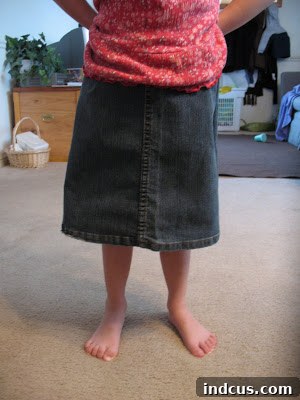
The final touch was the bottom hem. The original jeans already had a little bit of fraying on the bottom hem where they had rubbed on the ground, likely from whoever owned these jeans before me. Rather than seeing this as a flaw, I decided to embrace it. I simply turned up the bottom edge of the skirt by about half an inch and stitched it in place, allowing for a subtle, natural fray to continue developing over time. Alternatively, you could create a more defined hem by turning it up twice or even leaving a completely raw edge for a super trendy, distressed look. With the waistband and hem complete, a charming little girl’s denim skirt was born!
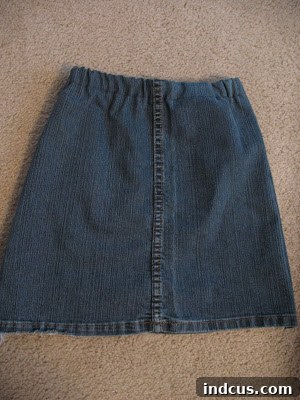
The Beauty of Imperfection: Embracing the Distressed Look
Upon closer inspection of the finished skirt, one might notice that faint fraying on the bottom hem, a subtle reminder of the denim’s past life. But in today’s fashion landscape, such minor imperfections are not just tolerated; they’re celebrated! Have you been to the mall lately? Distressed denim, with its artfully ripped knees, frayed hems, and worn-in patches, dominates the racks. This “perfectly imperfect” aesthetic adds character, depth, and a touch of effortless cool to any garment. Far from being a flaw, that slight fraying simply adds to the skirt’s authentic charm, making it perfectly on-trend and utterly unique. It tells a story, and in a world of mass-produced fashion, a garment with a story is truly something special.
Why Upcycle? The Multifaceted Benefits of Denim Repurposing
The act of upcycling goes far beyond just creating new items; it’s a practice brimming with benefits for individuals, communities, and the planet. This denim transformation project is a prime example of its myriad advantages:
Sustainable Fashion at Its Best
One of the most compelling reasons to upcycle is its profound environmental impact. The fashion industry is a significant contributor to waste and pollution, with countless garments ending up in landfills. By repurposing old jeans, we divert textiles from waste streams, reduce the demand for new fabric production (which consumes vast amounts of water, energy, and dyes), and minimize our carbon footprint. Every pair of jeans saved from the trash is a step towards a more sustainable and circular economy.
Cost-Effective Style Solutions
Who doesn’t love saving money, especially when it comes to fashion? Upcycling allows you to refresh your wardrobe and create new items without spending a fortune. Instead of buying a new pair of shorts or a child’s skirt, you can use materials you already own, dramatically cutting down on expenses. This project cost virtually nothing beyond the thread and elastic, making it an incredibly budget-friendly way to update your style.
Unleash Your Creativity and Craft Unique Items
Upcycling is a wonderful outlet for creativity. It encourages you to think outside the box, experiment with designs, and personalize garments in a way that mass-produced clothing simply cannot. Each upcycled item is truly one-of-a-kind, imbued with your personal touch and ingenuity. The denim skirt, for instance, isn’t just a skirt; it’s a handmade expression of love and resourcefulness, making it far more meaningful than anything bought off a shelf.
Durability and Longevity
Denim is renowned for its durability. By repurposing existing denim, you’re working with a material that has already proven its resilience. The strong fibers and sturdy weave ensure that your newly created shorts and skirt will withstand wear and tear, offering longevity and value for money.
Tips for Your Next Denim Upcycling Adventure
- Choose the Right Denim: Not all denim is created equal. For projects like shorts or skirts, mid-weight to heavy-weight denim works best for structure. Stretch denim can be more comfortable but might be trickier to cut and sew precisely.
- Invest in Good Tools: Sharp fabric scissors are a game-changer. A sturdy sewing machine with a denim needle is essential for thick seams. A seam ripper, ruler, and fabric chalk will also be invaluable.
- Pre-Wash Your Denim: Always wash and dry your old jeans before starting a project. This helps pre-shrink the fabric and ensures it’s clean and ready to work with.
- Embrace Imperfection: Don’t strive for factory perfection. The charm of upcycled items often lies in their unique, handmade qualities.
- Get Creative with Embellishments: Once your items are made, consider adding patches, embroidery, fabric paint, or even studs to personalize them further.
Conclusion: A Double Win for Sustainable Style
So there you have it. What once was a forgotten pair of too-short jeans, destined for the back of a closet or perhaps even the trash, has been beautifully transformed into two brand new, functional, and stylish garments. My slightly-too-short jeans are now comfortable, on-trend shorts for me, perfect for casual outings and warm weather. And the leftover denim, far from being discarded, found a wonderful new purpose as an adorable, custom-made skirt for my little gal, imbued with character and sustainable charm. This project is a testament to the power of upcycling – proving that with a little imagination and effort, you can turn seemingly unusable items into cherished pieces, benefiting both your wardrobe and the environment. We hope this inspires you to look at your own old denim with fresh eyes and embark on your very own upcycling adventure!